
A house on the canals is a great place for a pool, but the ground underneath is low and wet. We resurface, reline and repair Marina da Gama pools with a proper plan for groundwater, so the shell stays where it belongs while it is empty.
Marina da Gama was built on the eastern edge of Zandvlei in the early 1970s, with canals dug out of the old wetland and homes set right along the water. Many gardens run down to a jetty. It is a lovely spot to live, and it is also one of the trickier places in Cape Town to drain a pool.
The reason is simple. When the ground is saturated, water pushes up against the underside of the shell. A full pool weighs enough to hold it down. An empty one does not, and in the worst case it can crack or lift. So before any resurfacing starts, we look at the season, the soil and how the pool was built.
The other problems here are the usual ones for a pool that has been in for decades. Old marbelite goes rough and blotchy, fittings perish and small leaks are hard to spot because the soil around the pool is already damp.
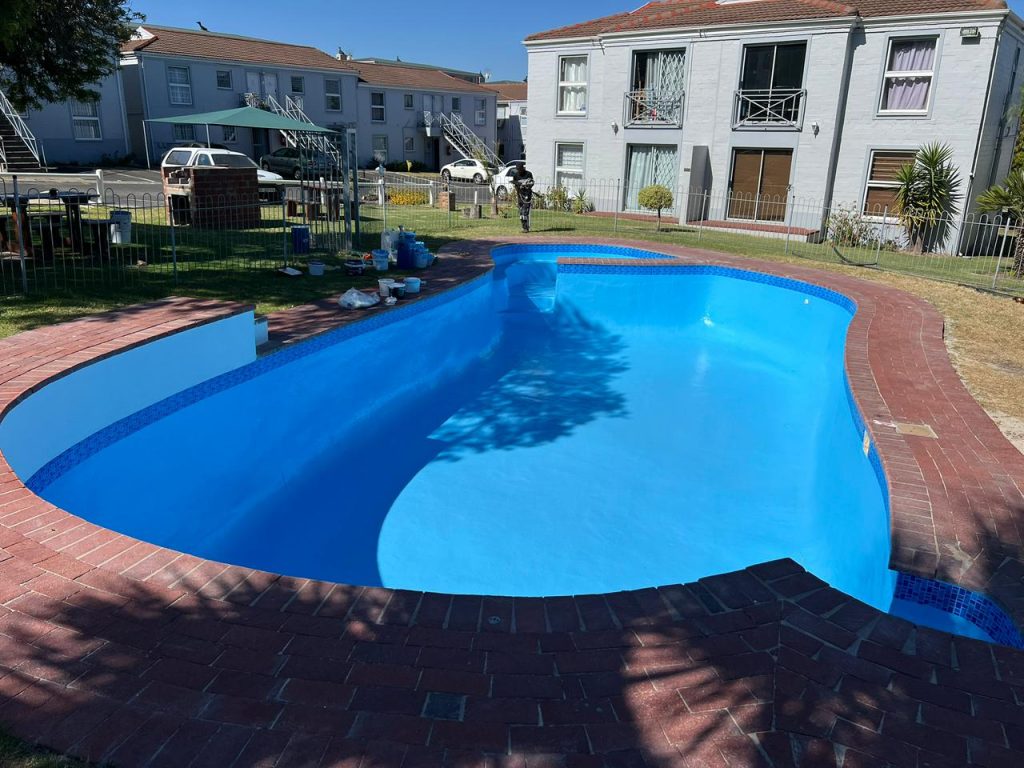

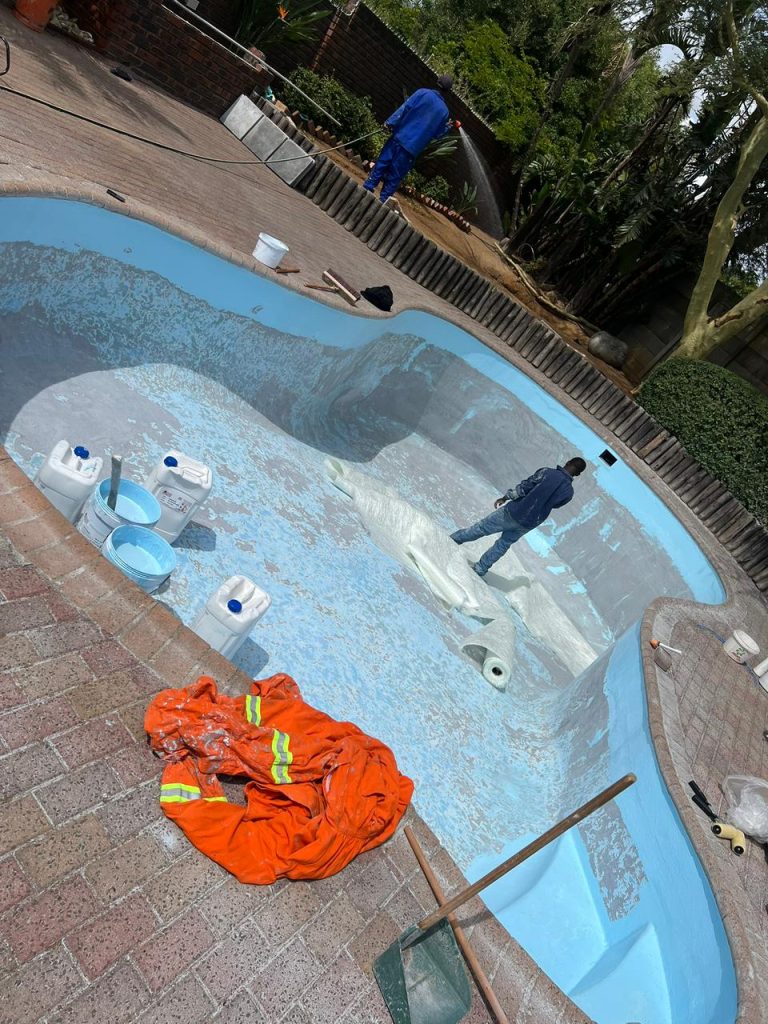
Both finishes work on the marina. The bigger question is how long the pool can stand empty. Marbelite needs the pool drained and dry for a while before it is applied. Fibreglass also needs a dry shell, but the lining is a tough skin that copes better if the ground moves a little later on. We explain the trade off at the site visit.

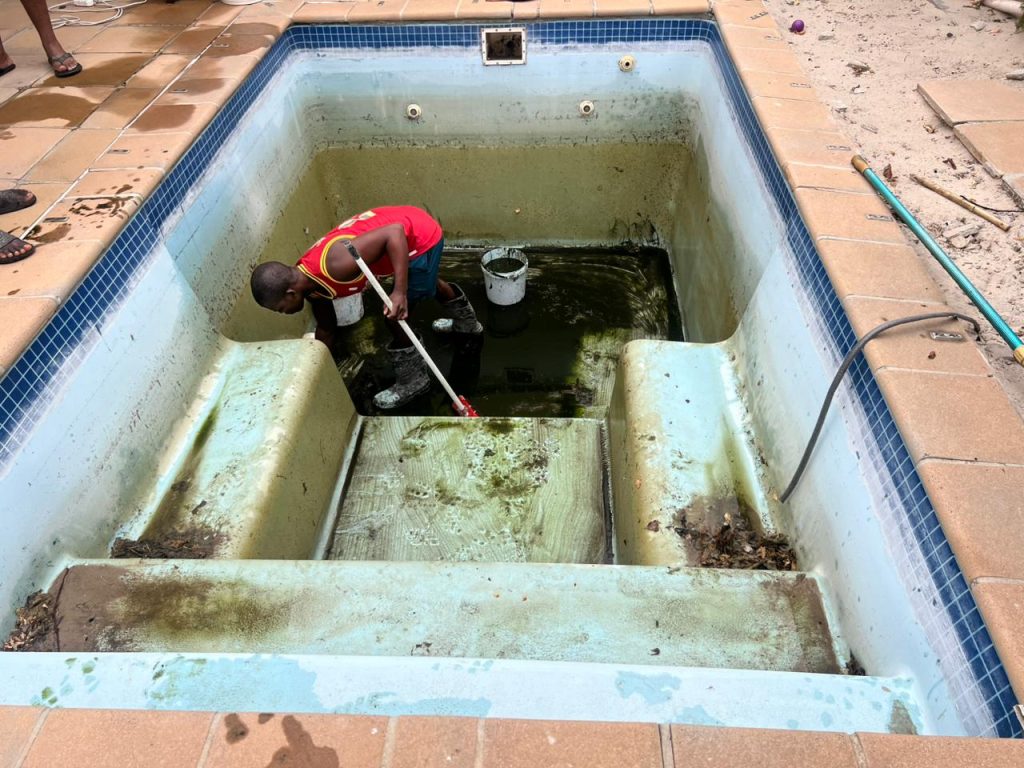
If the shell is sound and the old plaster is simply worn, a new coat of marbelite brings it back. We drain in stages, check that the floor is not taking on water from below, then chip out loose plaster, fix cracks and apply the new finish as soon as the shell allows.
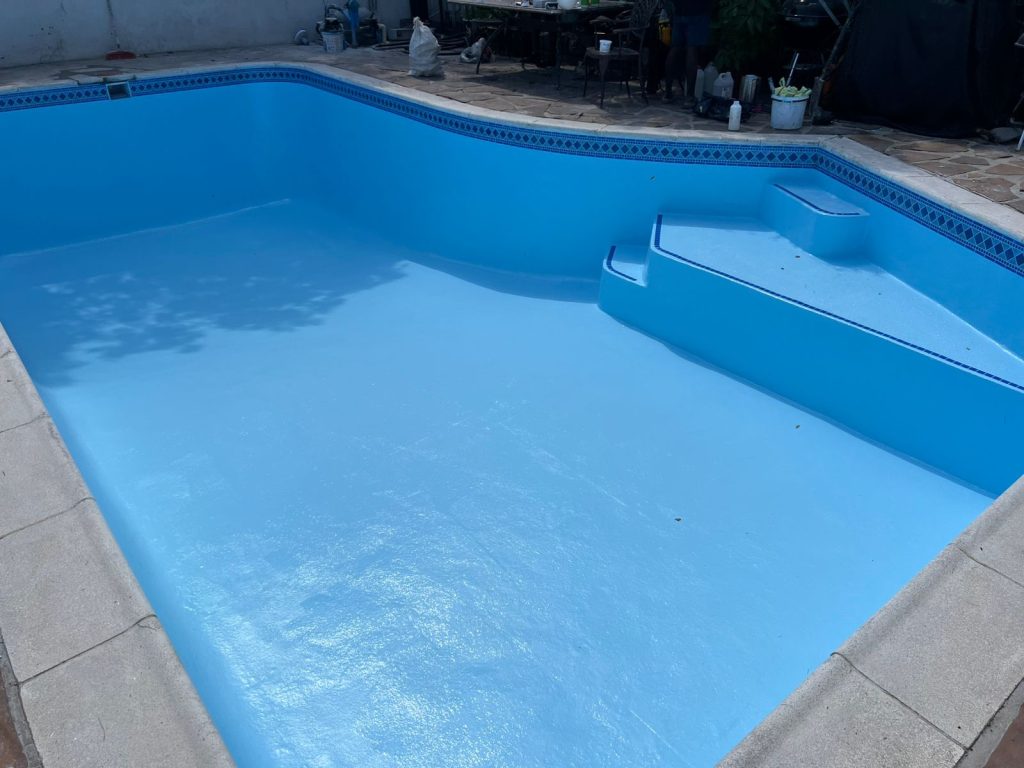
Some older pools on the canals have been patched more than once and still drop. A fibreglass lining bonds over the old surface and seals the hairline cracks and porous patches in one go. It also gives a smooth, non porous finish that algae struggles to hold on to in the humid air off the vlei.
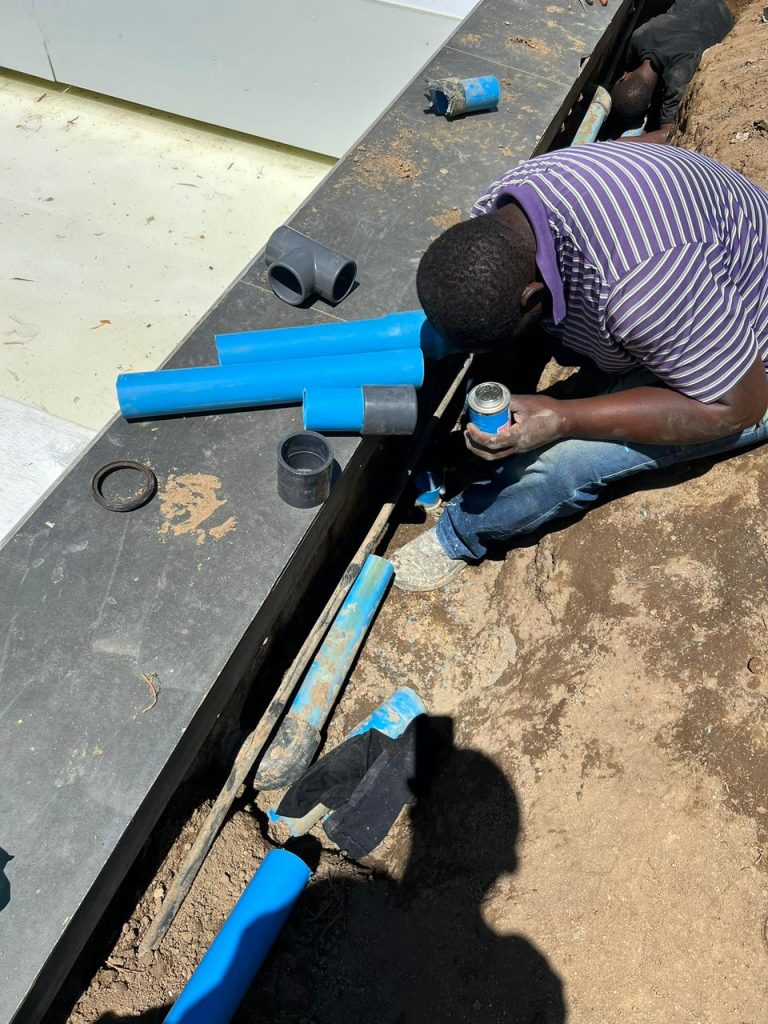
A new finish only lasts if the rest of the pool is in order. We sort out the plumbing, tiles and equipment during the same job, so the pool goes back into use properly fixed and not just freshly coated.
We use pressure and dye tests because a damp lawn beside a canal tells you very little.
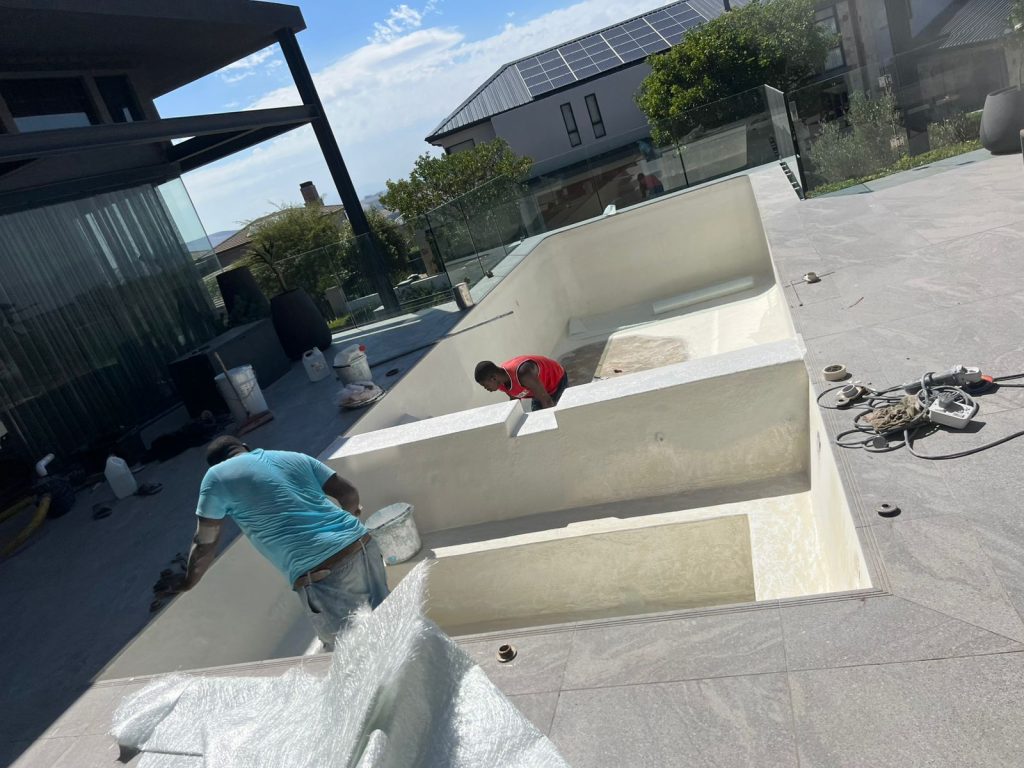
Cracks from settling ground are opened up, filled and sealed before any new surface goes on.
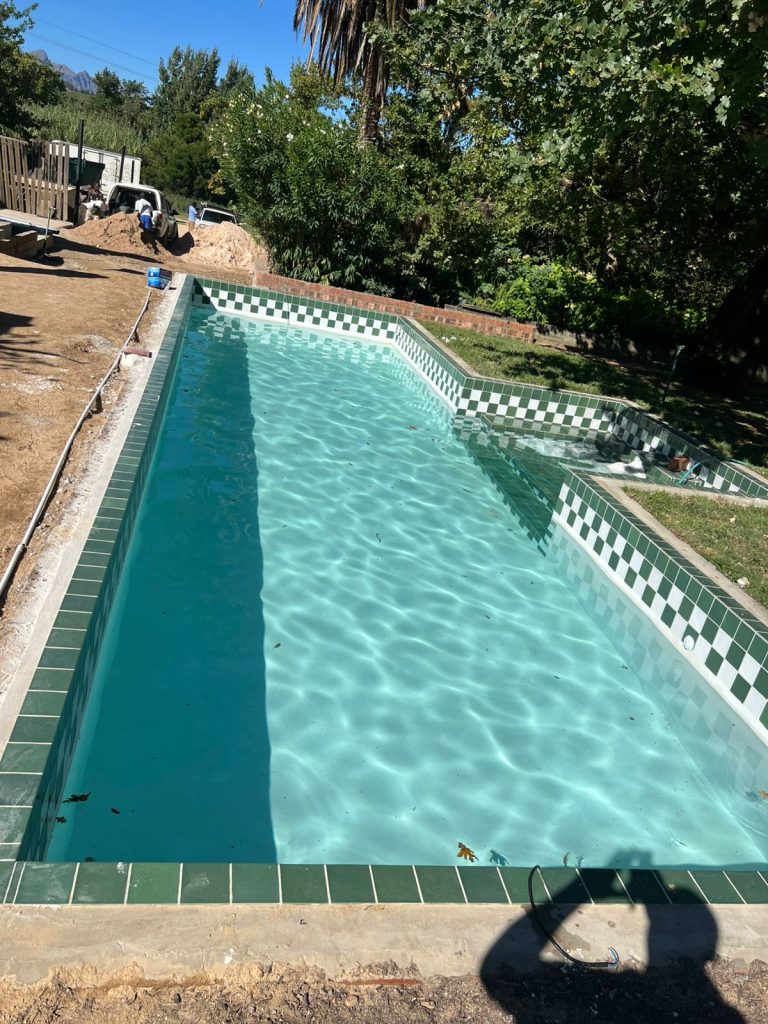
We replace stained or loose waterline tiles so the edge of the pool looks as good as the new floor.

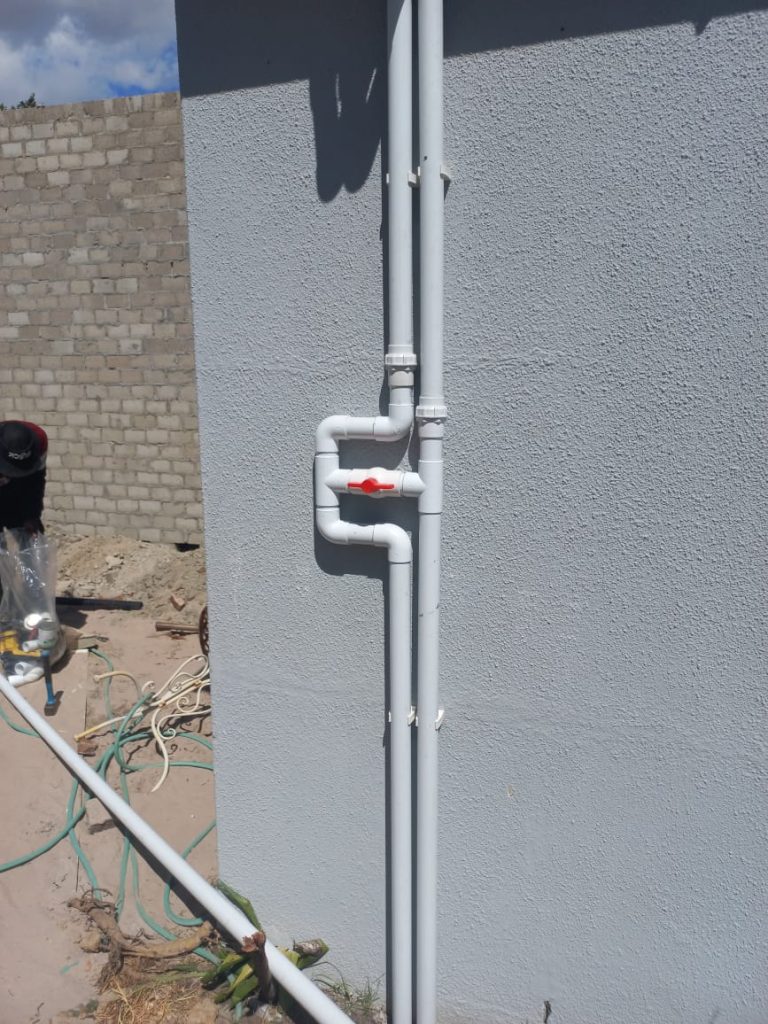
Pumps near the water work in damp, salty air, so we check seals, motors and electrics closely.
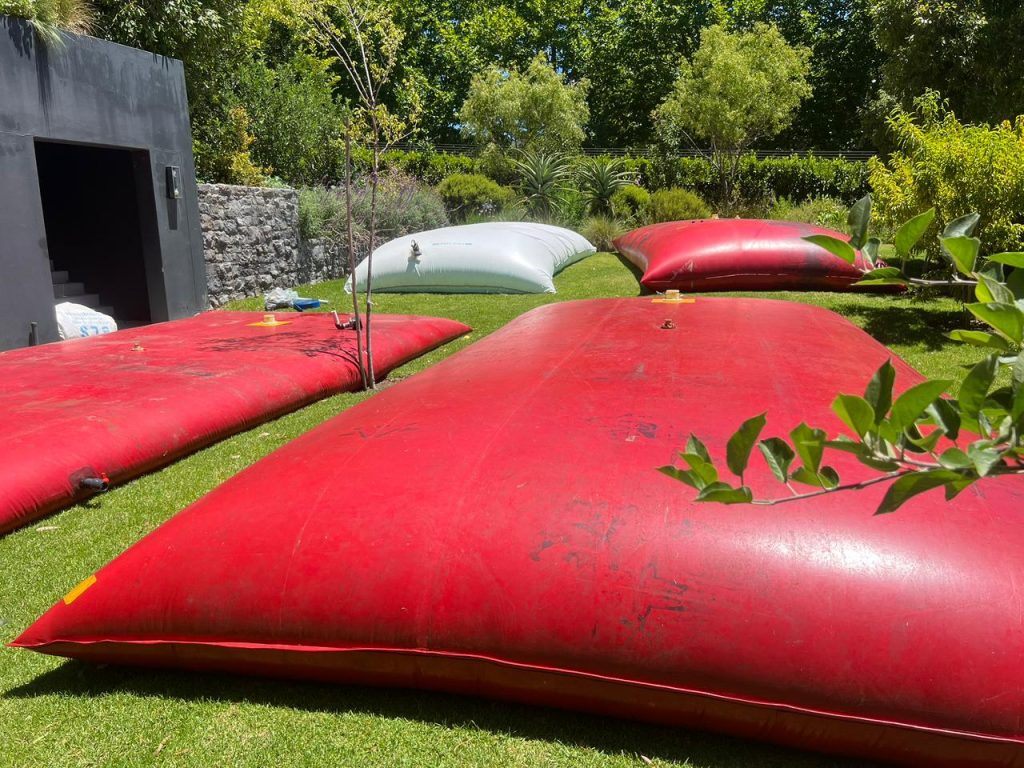
Where space allows we pump the pool into a water bladder on site instead of sending chlorinated water anywhere near the vlei.
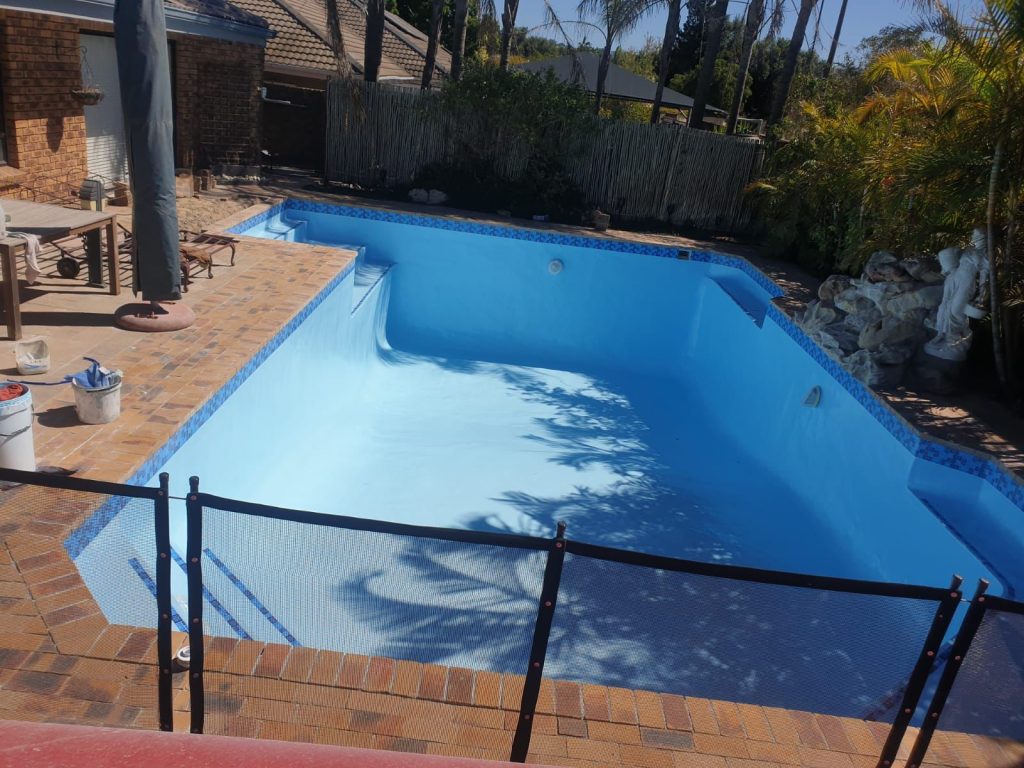
Ongoing care keeps the new finish clean and the water balanced through the windy summer months.
Call us if the level drops by more than a few millimetres a day in calm weather, if the floor feels rough or gritty, or if you see new cracks after the winter rains.
We work across the Southern Suburbs and down to the False Bay side, including Marina da Gama, Muizenberg, Lakeside, Westlake and St James.
Cape Town gets most of its rain in winter, and on low ground next to a vlei the groundwater rises with it. That makes late summer and autumn the best window for any work that needs the pool empty. The soil is at its driest and the finish has decent weather to cure in.
If your pool has a hydrostatic relief valve in the floor, we check that it still works before we drain. If it does not have one, we can talk about fitting one while the pool is empty anyway. It is a small part that does an important job on this kind of ground.
Access is usually easy on the marina, with level gardens and room on the lawn for a water bladder. We still keep plaster and rubble well away from the canal edge and take everything off site in bags.
We look at the shell, the plumbing and the ground around the pool, and test for leaks.
You get a written quote for resurfacing, relining or repairs, plus the best time of year to do it.
We drain in stages, check for water pressure from below and fix cracks and fittings.
The new surface goes on, the pool is refilled from the bladder where possible and the water is balanced.


It can be, with the right planning. We check the groundwater, the season and the pool's relief valve first, and we drain in stages rather than all at once.
Late summer and autumn, before the winter rains raise the groundwater. The ground is drier and the weather is still good for the new finish to cure.
No. Chlorinated pool water should not go into the canal or the vlei. We store it in a bladder on site where there is space and reuse it once the work is done.
We do not rely on damp patches here. Pressure tests on the pipes and dye tests at the fittings show where the water is escaping, even when the soil around the pool is wet.
Marbelite suits a solid shell where only the surface is worn. Fibreglass is the better choice if the pool has a history of leaks or cracking, because it seals the whole shell in one layer.
Call 062 635 8990 or send us a message, and we will come out, check your pool and the ground around it, and give you a straight quote.