
Small plots on the slopes of Lion's Head mean many Tamboerskloof pools are compact, often a plunge pool in a courtyard or a small pool squeezed into the back garden. We resurface, reline and repair them without needing a big site, and we plan every delivery around streets where parking is scarce.
Tamboerskloof runs up the eastern slopes of Lion's Head on both sides of Kloof Nek Road. Most of the houses are Victorian and Edwardian semis and cottages on small plots, and where there is a pool, it is often a plunge pool in the back courtyard. Space is tight, so the pool is usually tucked against a wall, a deck or the house itself.
A small pool is not a simpler job. The water volume is low, so the chemistry swings quickly, and water that is out of balance eats into marbelite faster. Walls built close to a boundary or a house foundation can crack as the ground settles, and even a small leak shows up as a big drop in level.
The good news is that a compact pool needs less material, and once the prep is done the finishing work moves along quickly.
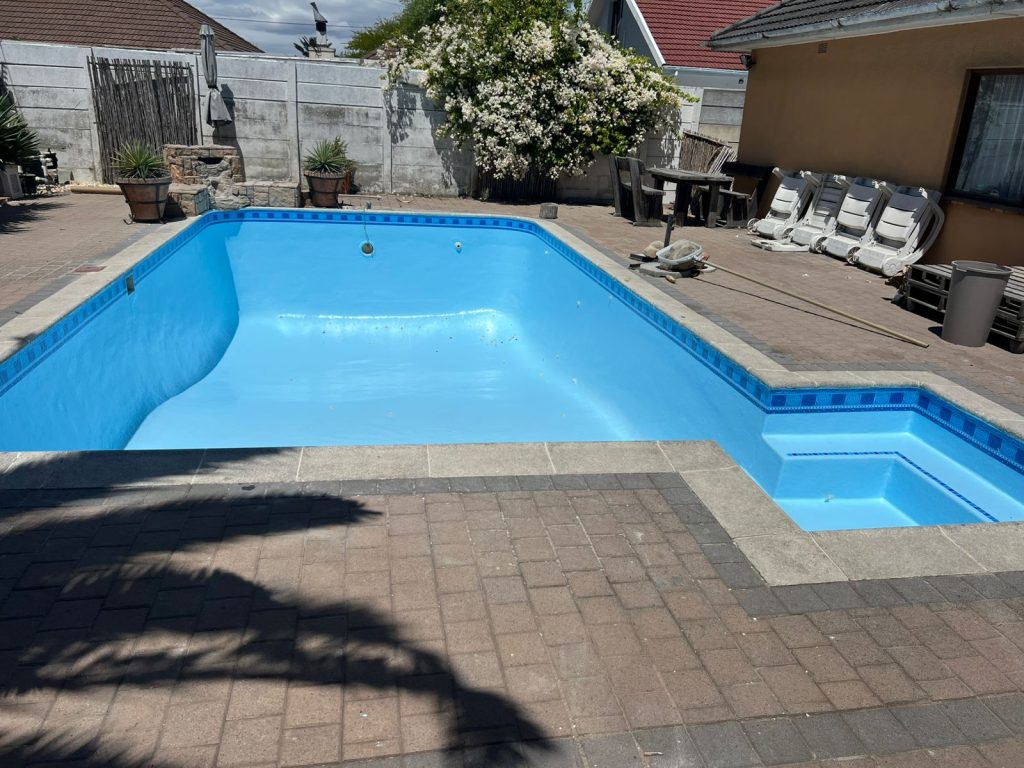
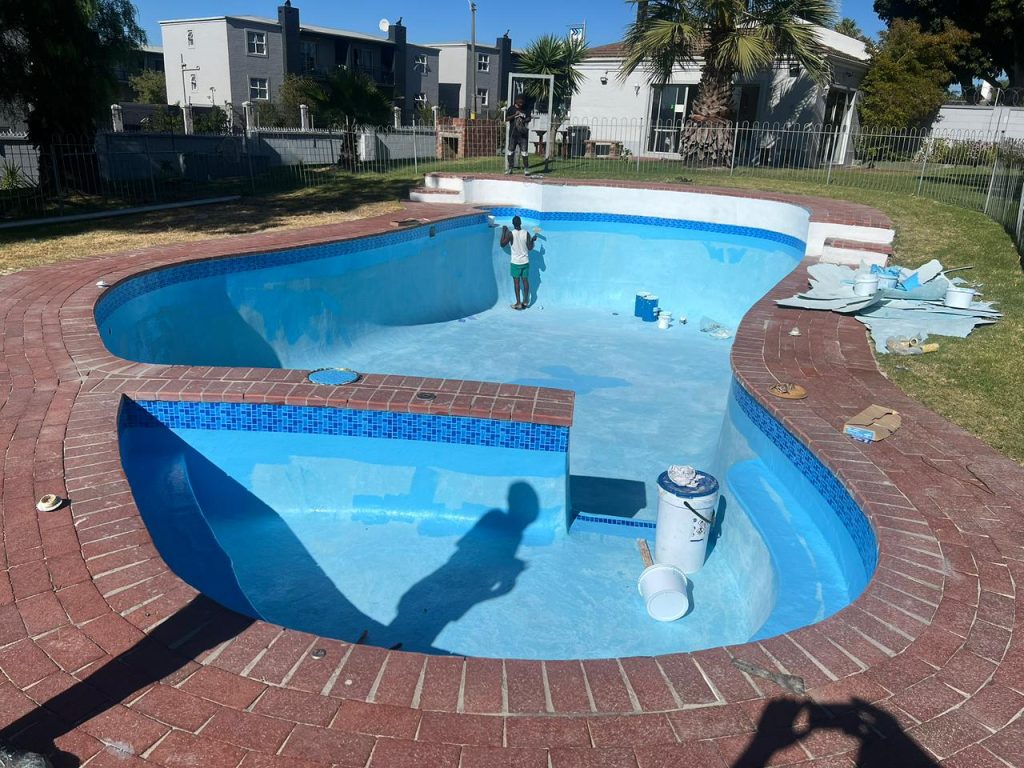
The surface options are the same for a plunge pool as for a big family pool, but the trade-offs are different. Labour is a bigger share of the job on a small pool, so it pays to choose a finish that will last. We look at the shell and tell you plainly which option we think makes sense.
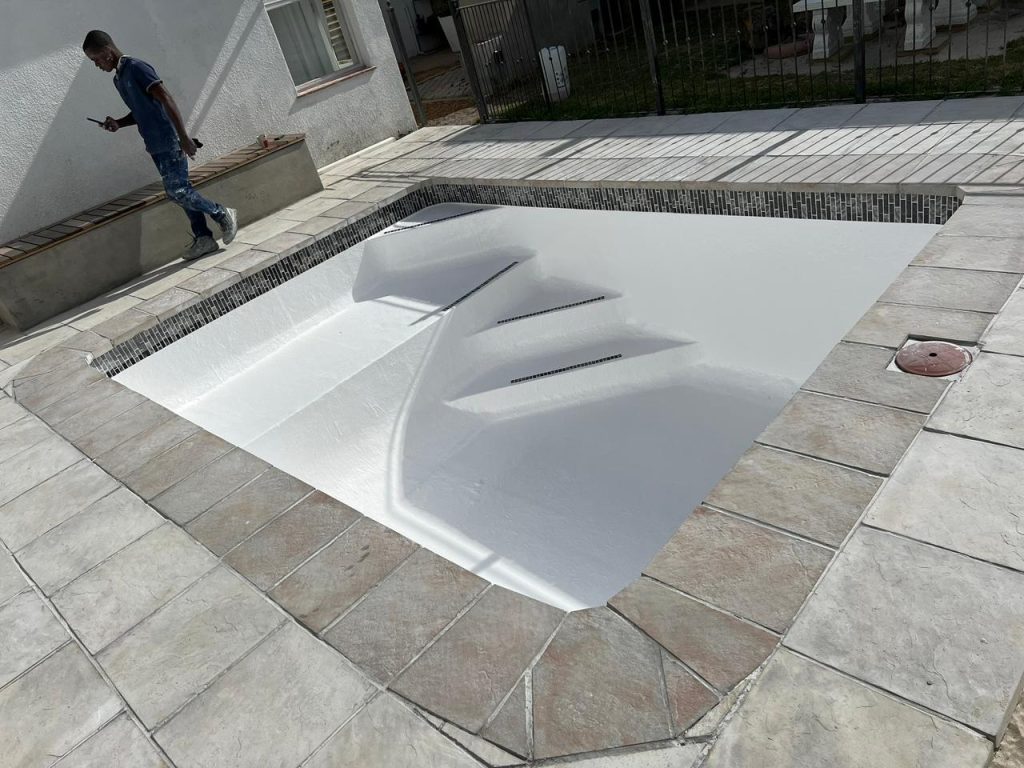
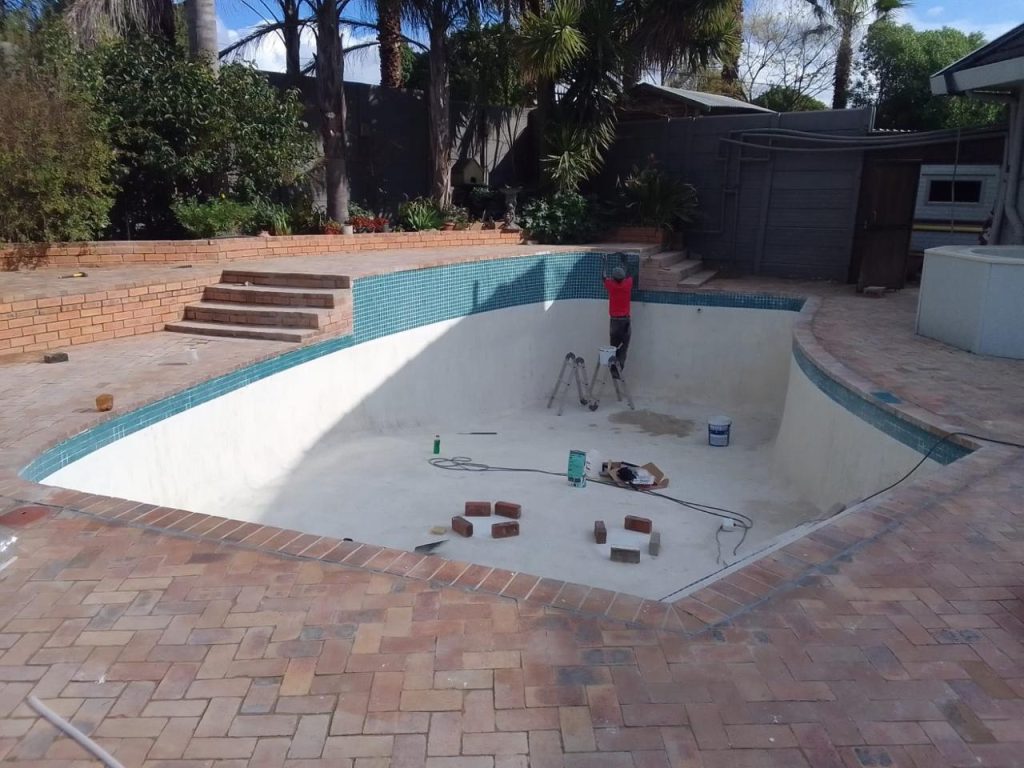
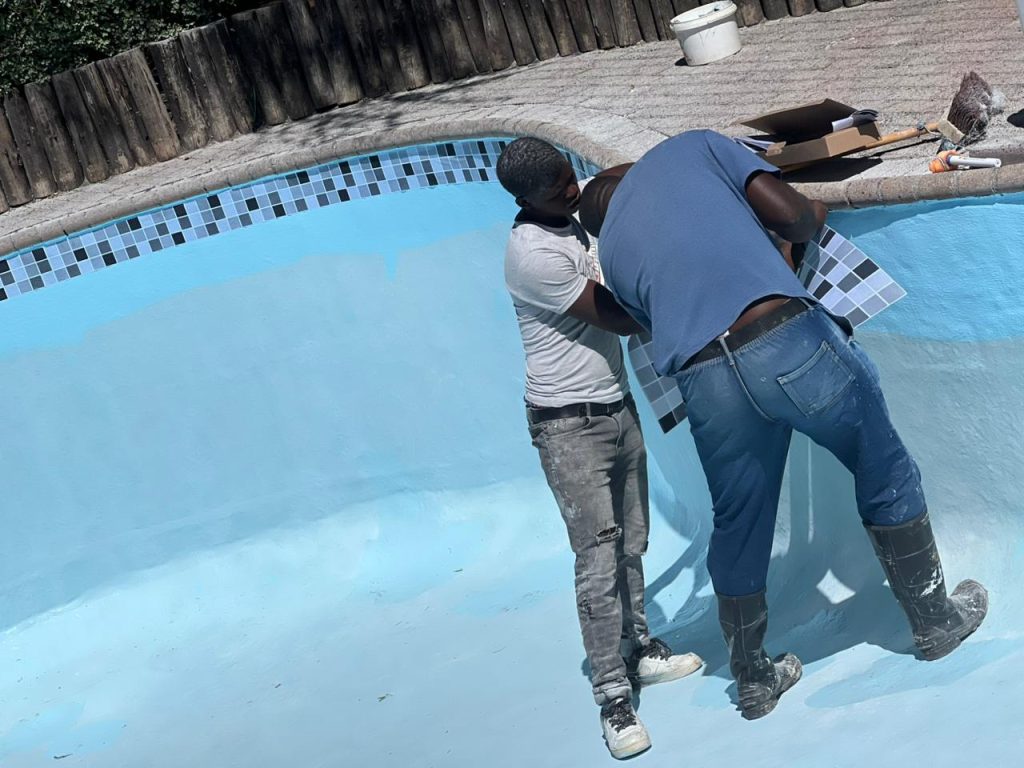
If the shell is sound and the surface has simply gone rough, a new coat of marbelite is the quickest way to make a plunge pool look new again. We take out loose plaster, fill any cracks and apply the finish by hand. Benches and steps get extra care, because that is where people sit.
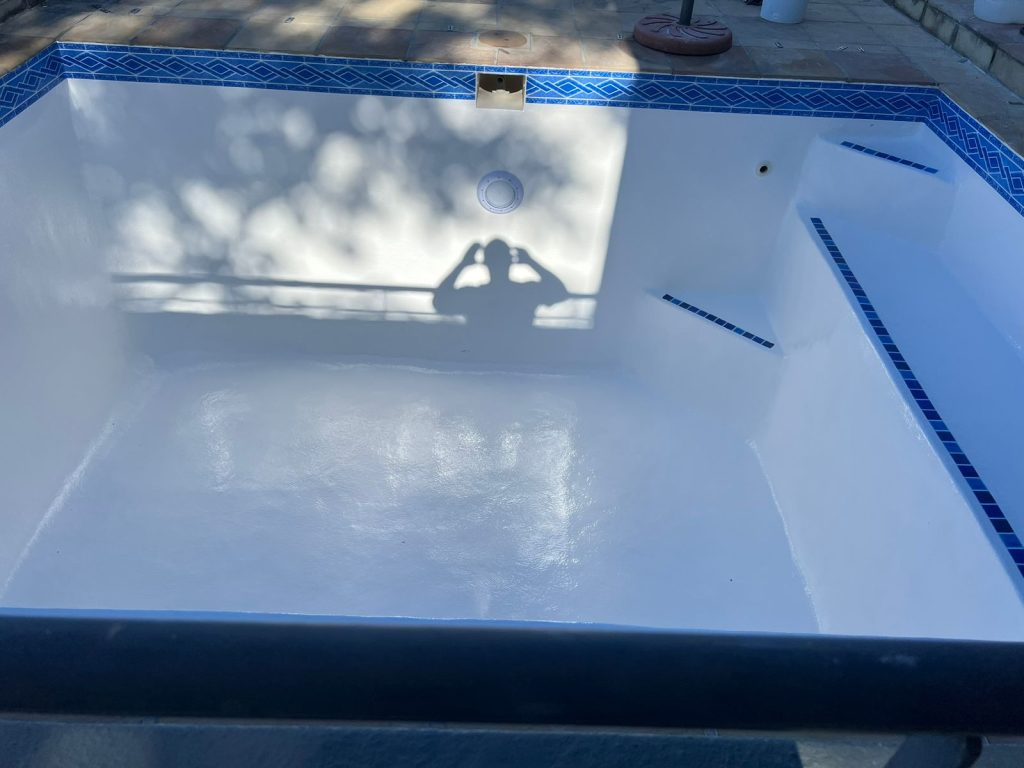
Fibreglass is a strong choice for a small pool that leaks or stains, because it creates one sealed skin over the old surface. It is smooth underfoot on benches and steps, which matters when people mostly sit and cool off rather than swim lengths. It is also less affected than plaster when the water balance drifts.
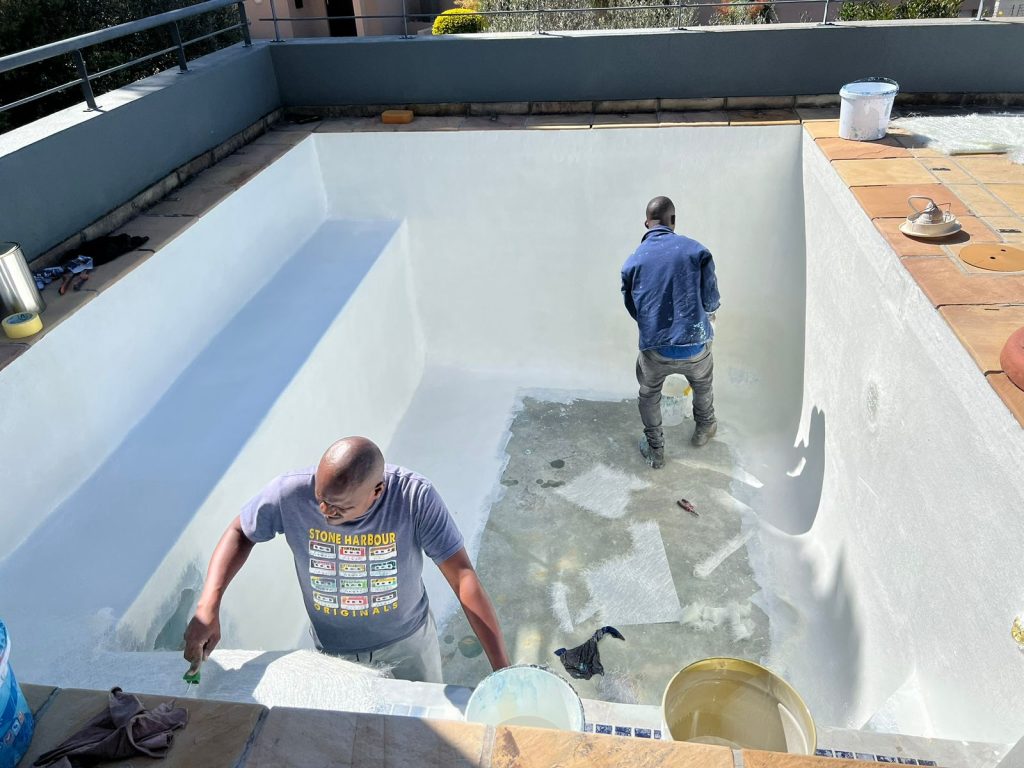
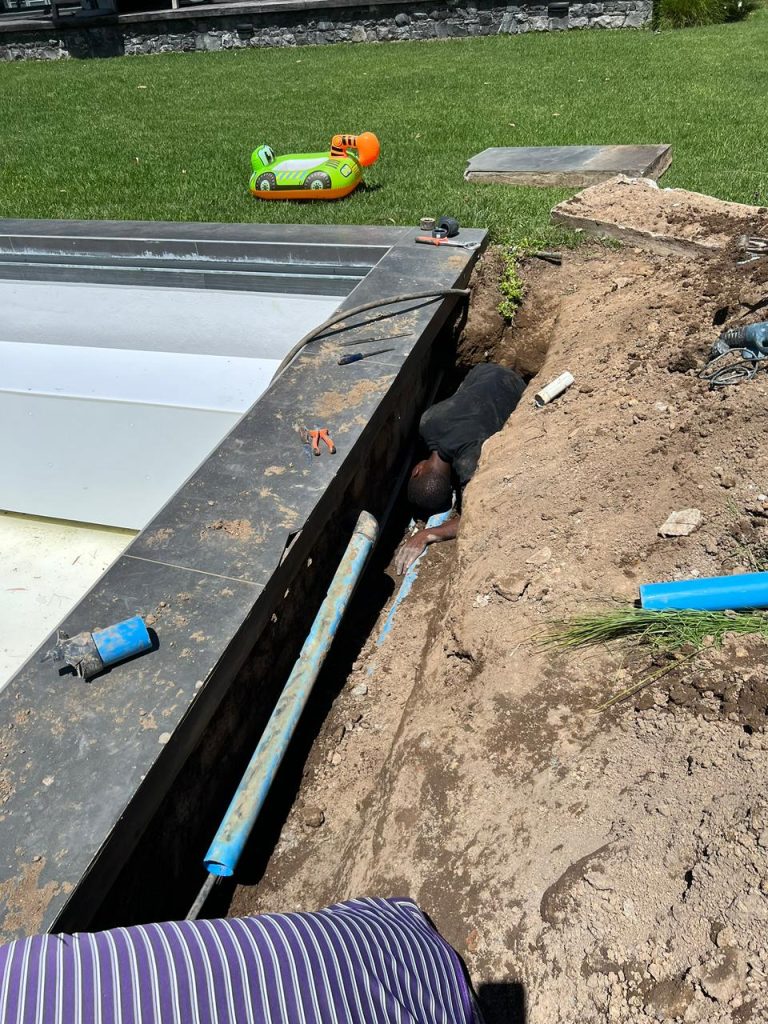
Small pools still have pumps, pipes, tiles and lights that wear out. We look after all of it in one project, which saves you arranging access and parking for different contractors on different days.
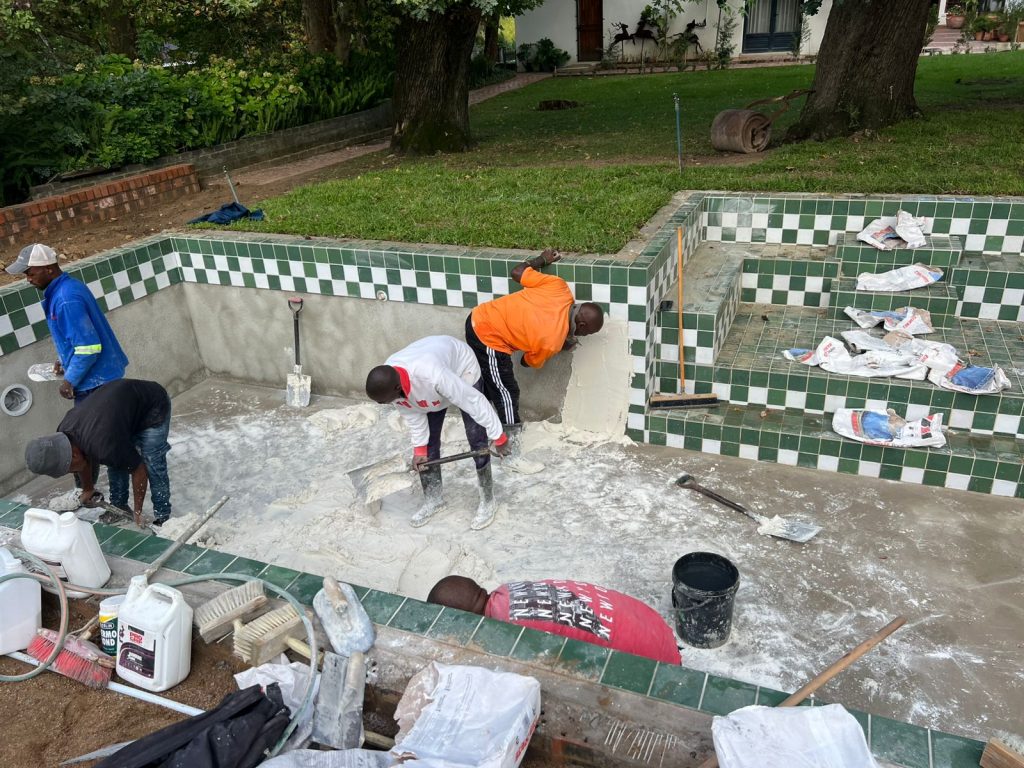
We lay waterline mosaics and tiled steps that suit a period home with a modern courtyard.

We repair cracks caused by walls and foundations built close to the pool.
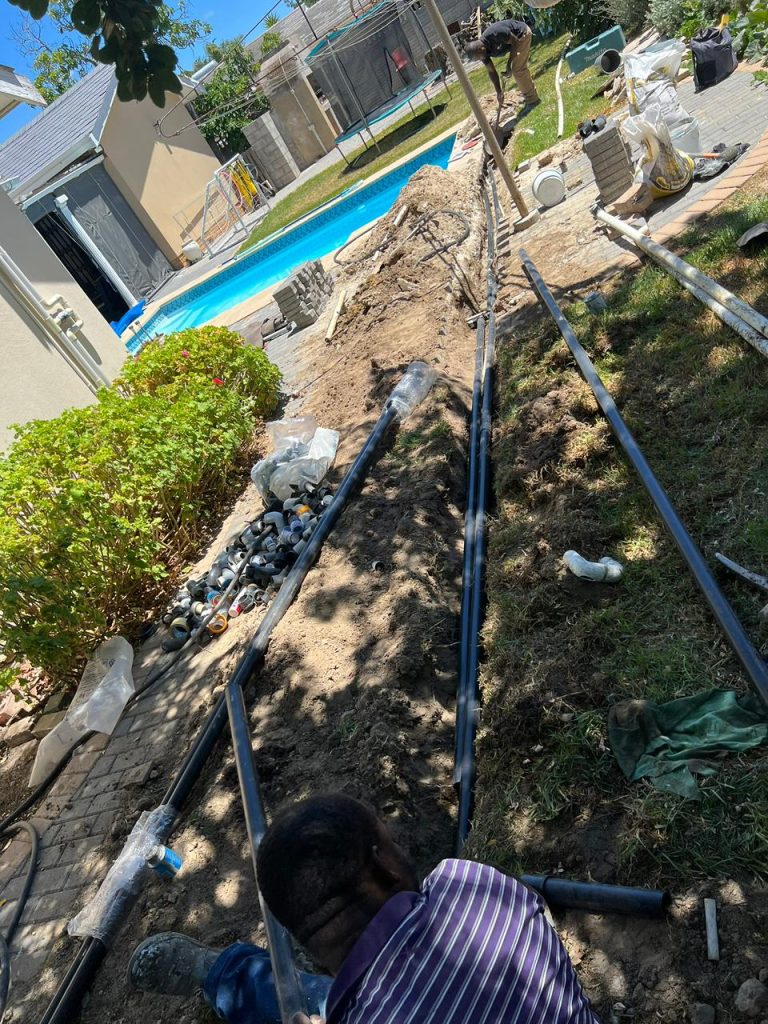
A small pool shows water loss fast, so we test every likely source and fix the one that is leaking.
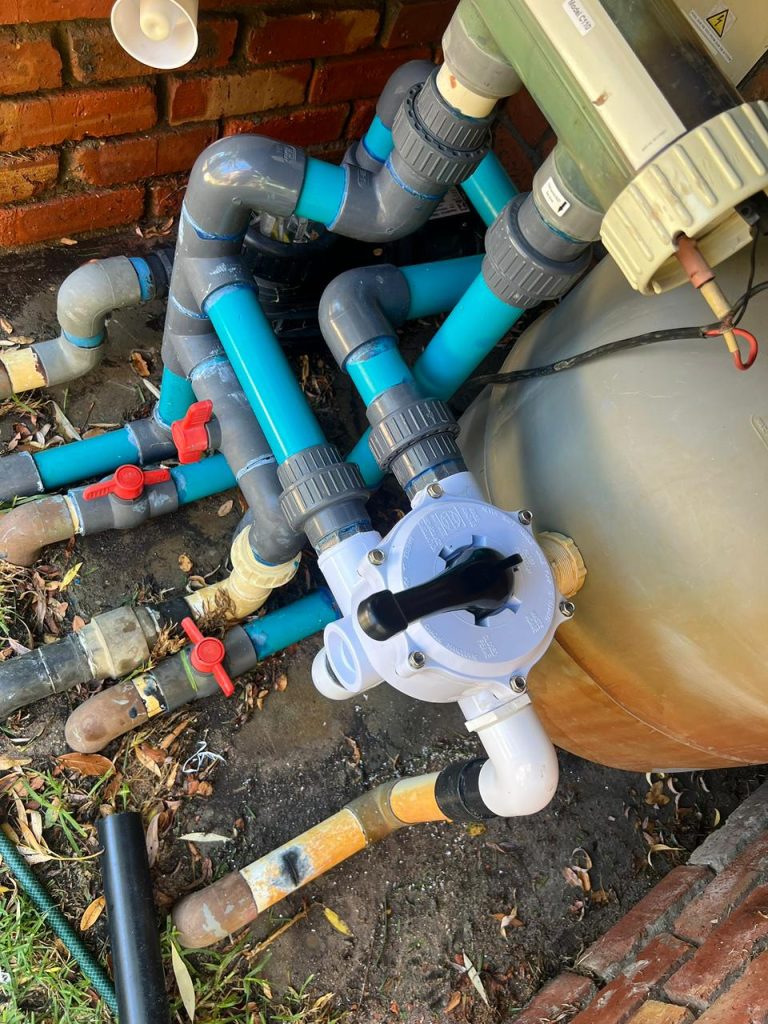
Equipment is often squeezed under a deck or into a side passage, and we service it where it stands.
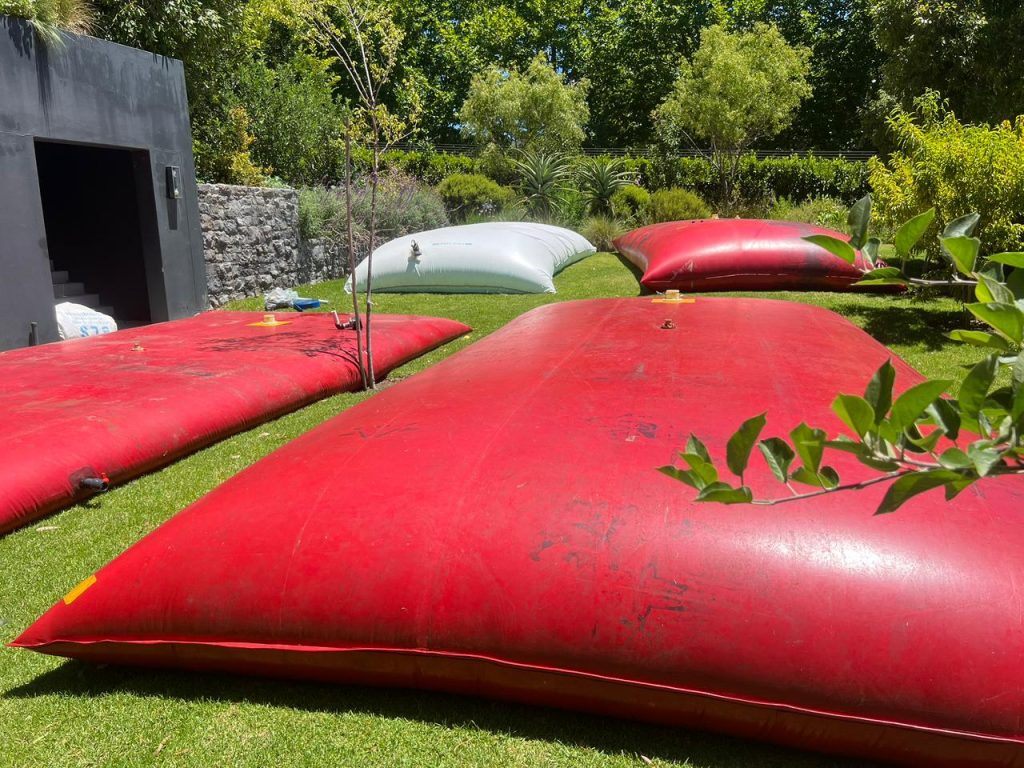
Plunge pools hold far less water, so keeping it on site and reusing it is often easy to arrange.
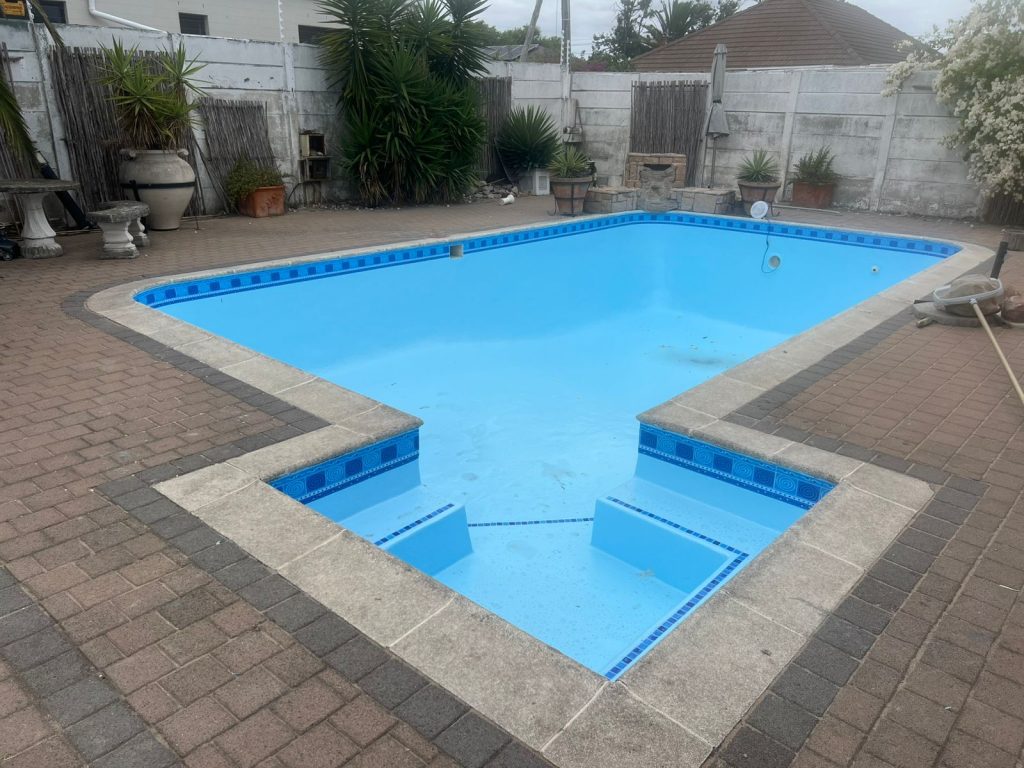
A small pool needs regular checks because its water balance changes so quickly.
In a plunge pool, small problems are easy to spot. Watch for a level that drops noticeably over a weekend, plaster that feels sharp on the benches, cracks where the pool meets a wall, and water that clouds over soon after it has been balanced.
We work in Tamboerskloof and the rest of the City Bowl, and over Kloof Nek in Fresnaye on the Atlantic Seaboard.
Parking is the first thing we sort out. A lot of older Tamboerskloof houses have no garage or off-street bay, the blocks are short and steep, and street parking is tight. We plan deliveries for quieter times, keep the number of vehicles down and bring materials in by hand through the front door or a side passage when there is no other way.
Rubble is the second. Old plaster from a plunge pool fits in bags, so a skip on the street is often not needed. When the only route to the courtyard runs through the house, we cover floors and protect door frames along the way.
Small pools also sit close to living areas. We keep dust and noise under control while we chip out old plaster, and we tell you in advance which days will be the loudest.
We check access, parking, the shell and the equipment, and test whether the pool is losing water.
We quote the work and agree delivery times and the route materials will take through the property.
We drain, chip out loose plaster, repair cracks and leaks and get the shell ready for its finish.
The new surface goes on, the pool is refilled and the water is balanced before we leave.
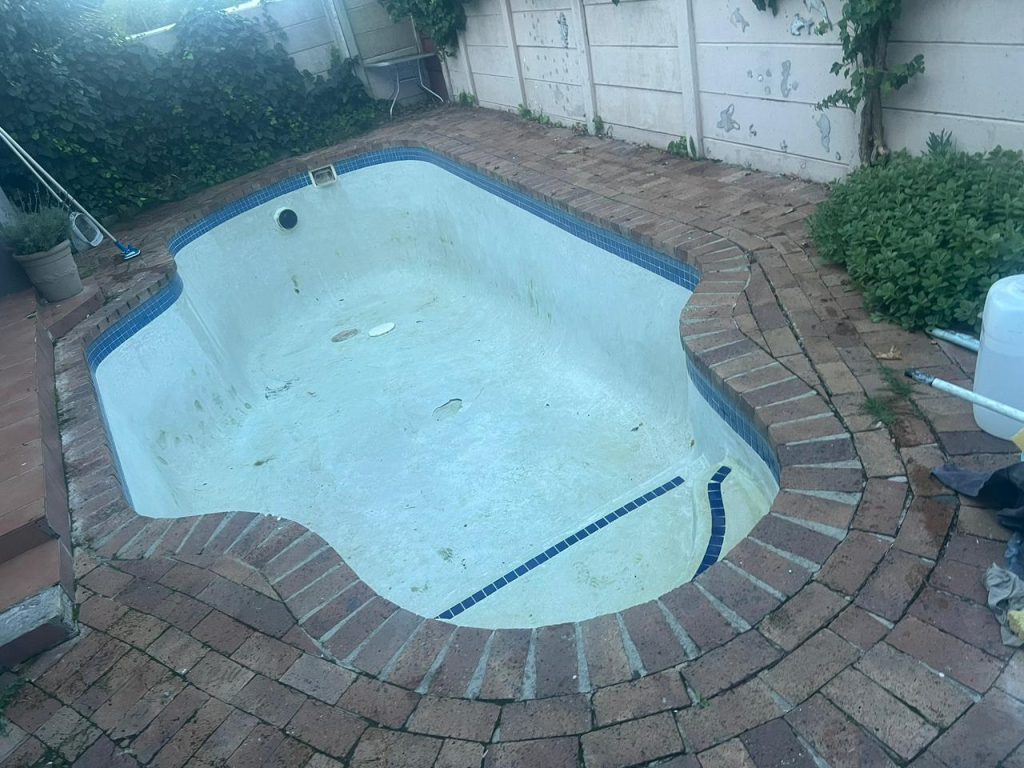
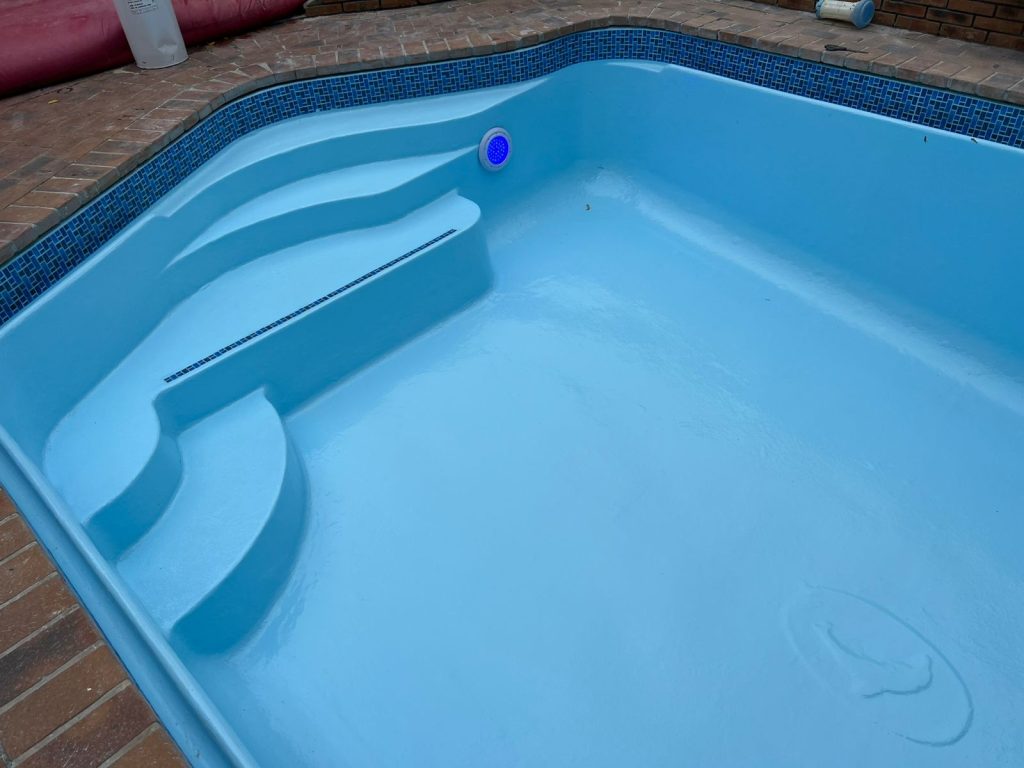
Yes. We carry materials in by hand through the house or a side passage and take old plaster out in bags. We check the route at the site visit and plan the job around it.
Often it is, because a small pool shows every bit of water loss and fibreglass seals the whole shell. If the shell is sound and dry, marbelite is also a good option, and we will explain the difference on site.
We keep vehicles to a minimum and time deliveries for quieter parts of the day. If your property has no off-street parking, we talk through loading options with you before the job starts.
Small pools have so little water that heat, swimmers and rain change the chemistry fast. Regular testing helps, and a smooth, sound surface is easier to keep clear than rough, porous plaster.
A plunge pool is usually quicker than a large pool, but the new finish still needs time to cure before refilling. We give you a realistic timeline in the quote, with some allowance for weather.
Phone 062 635 8990 or send a message with photos of your Tamboerskloof pool, and we will book a free site visit to look at resurfacing, relining or repairs.