Your pool pump is the heart of your swimming pool. It circulates water through the filter, keeps chlorine moving, and stops your pool turning green under the Cape Town sun. Yet most pump failures are not bad luck — they are self-inflicted. After years of servicing pools across the Cape, we have seen the same avoidable mistakes destroy pump after pump. Here are 12 of the worst, and exactly how to sidestep each one.
Running the Pump Dry
A pool pump is water-cooled and water-lubricated. Run it without a primed, full basket of water and the mechanical seal overheats within minutes, warping the impeller and cracking the housing. Always confirm the pump basket and strainer are full before switching on, especially after backwashing or draining for repairs.
Ignoring the Strainer Basket
Leaves, grass and Cape Town’s summer dust clog the strainer basket fast. A blocked basket starves the pump of water and forces it to run dry.
- Empty the basket at least once a week in autumn when the wind brings debris.
- Never run the pump with a cracked basket — debris will reach the impeller.
- Rinse the basket rather than banging it, which splits the plastic.
Wrong Pump Size for the Pool
An oversized pump does not clean faster — it pushes water through the filter too quickly, drives up your electricity bill, and stresses the plumbing. An undersized one never turns the water over properly. Match the pump to your pool volume and filter rating. If you are unsure, the team on our contact page can spec the right unit for your pool.
Neglecting the Mechanical Seal
The mechanical seal keeps water out of the motor. Once it weeps, water tracks into the bearings and the motor is doomed. A faint drip under the pump is an early warning, not something to ignore for months.
Letting Air Leaks Slide
Air sucked in through a loose lid O-ring or a cracked suction line makes the pump cavitate. Cavitation sounds like gravel rattling inside the housing and it chews the impeller apart. Smear a little silicone lubricant on the lid O-ring seasonally and keep it seated.
Sun and Weather Exposure
Our UV levels are brutal. A pump left fully exposed cooks its plastic and the capacitor bakes in the heat. Give the pump shade and ventilation — never seal it in an airtight box, which traps heat instead.
Skipping Winter Care
Leaving a pump idle all winter lets seals dry out and bearings seize. Run it briefly each week, or have it properly winterised.
Chemical Splash and Overdosing
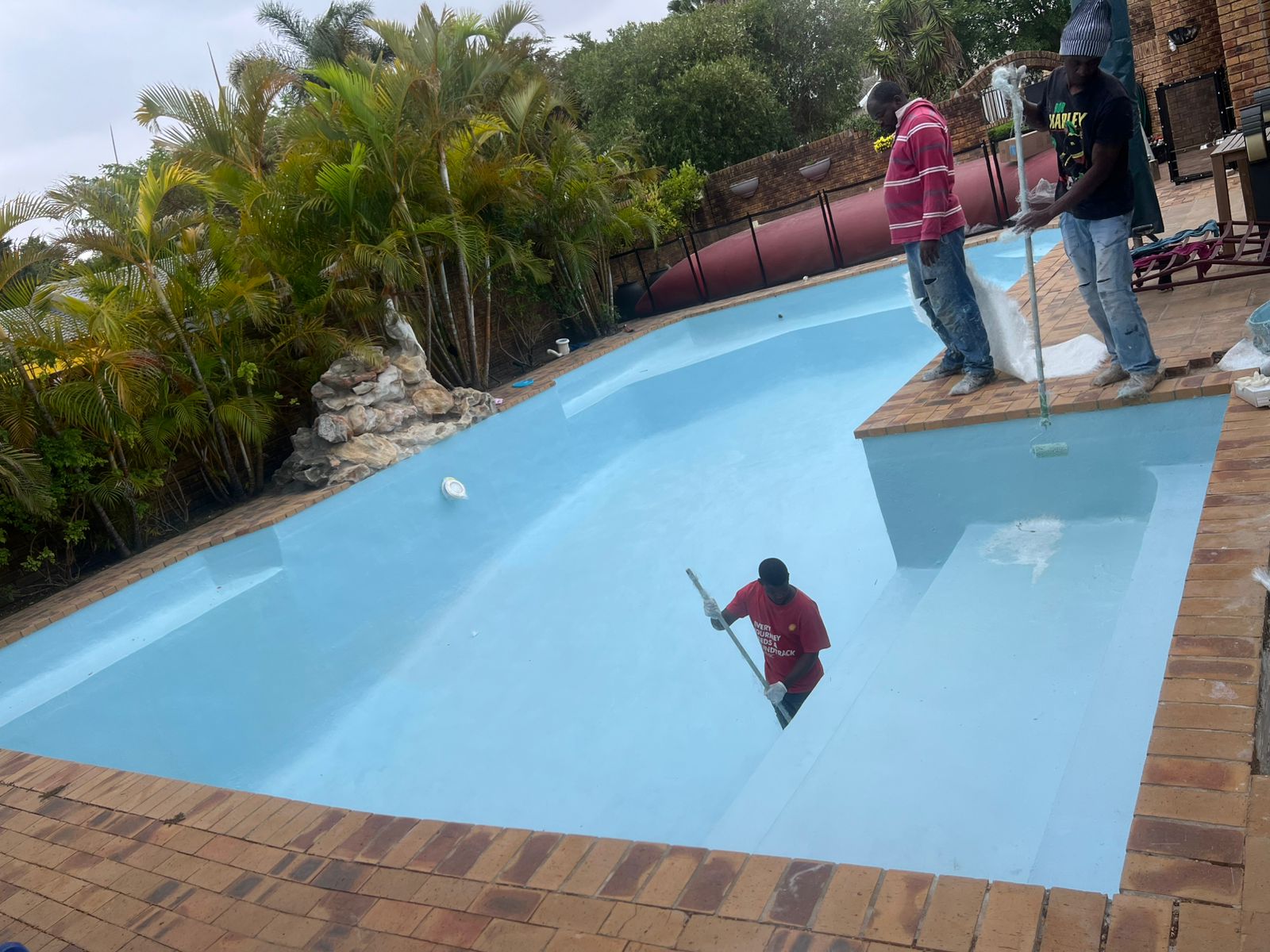
Undissolved chlorine or acid splashed near the pump corrodes fittings and seals. Dose chemicals at the far end of the pool with the pump running so they dilute quickly. Correct water balance also protects your pool surface — the same care that keeps a fibreglass pool lining looking new.
Overtightening Fittings
Muscling unions and lids closed cracks the housing threads. Hand-tight plus a gentle nudge is enough; the O-ring does the sealing, not brute force.
Electrical Neglect
A failing capacitor makes the motor hum without starting, and that hum burns the windings out. If your pump struggles to start, have the capacitor checked before the whole motor fails.
Blocked or Dirty Filter
A choked sand or cartridge filter raises back-pressure and makes the pump work far harder than it should. Backwash on schedule and watch the pressure gauge. High pressure is your pump crying for help.
DIY Repairs Gone Wrong
Forcing the wrong seal, dry-fitting parts, or wiring a motor incorrectly turns a small fault into a replacement. When a pump problem overlaps with wider pool wear — say, during a marbelite pool resurfacing project — it pays to have professionals handle the equipment too.
Keep Your Pump Alive
None of these mistakes are complicated to avoid. Keep the basket clean, the water primed, the seals maintained and the pump shaded, and a good pool pump will run for many summers. If yours is making new noises or costing more to run, get in touch with Aquatic Pools before a small fix becomes a full replacement.