A fibreglass pool shell is meant to sit quietly in the ground for decades, but Cape Town’s shifting soils, water-table swings and hot-cold cycles put real strain on that thin composite skin. When a shell starts to bulge inward, blister on the surface or show hairline cracks along the waterline, it is telling you something has gone wrong beneath or behind the shell. Understanding the cause is the first step to a repair that actually lasts, rather than a cosmetic patch that fails again the following summer.
Why Fibreglass Shells Bulge and Crack
Bulging and cracking almost always come down to pressure and movement. In the Western Cape, several local factors combine to make fibreglass shells vulnerable, and it usually pays to diagnose the true driver before touching a grinder.
- Hydrostatic pressure: After winter rains, groundwater builds up behind an empty or low shell and pushes the walls or floor inward, causing a visible bulge.
- Poor backfill and bedding: If the original installation used unstable fill or skipped proper compaction, the shell flexes and stress-cracks over time.
- Ground movement: Cape Town’s clay-rich and sandy soils expand and contract with the wet and dry seasons, working the shell like a spring.
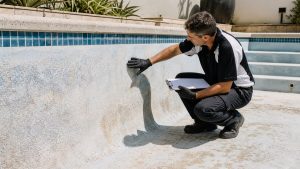
- Osmosis and delamination: Water penetrates the gelcoat and the layers begin to separate, producing blisters, soft spots and spider cracks.
- Structural age: UV exposure and thousands of thermal cycles gradually make the gelcoat brittle, so minor knocks become cracks.
Reading the Warning Signs Early
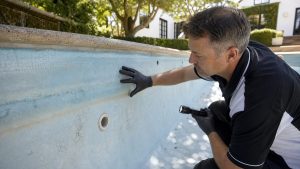
Small problems are far cheaper to fix than a collapsed wall. Watch for spider-web cracks radiating from the steps or lights, a floor that feels spongy underfoot, a shell wall that no longer sits straight, or persistent water loss that is not simply evaporation. Rust-coloured staining or a chalky, fading gelcoat can also flag that the surface is breaking down. If you notice any of these, it is worth getting a professional assessment before draining the pool, because emptying a fibreglass shell at the wrong time is one of the fastest ways to turn a bulge into structural failure.
The Danger of Draining Without a Plan
Homeowners often assume the fix is to empty the pool and let it dry out. In our high-water-table suburbs that can be exactly the wrong move. With no water inside to counter the groundwater outside, the shell can float, buckle or crack further. Any reputable repairer will check the water table, install a well-point if needed and manage the drain-down carefully. This is where experienced local knowledge matters, and why it is worth speaking to a specialist Cape Town pool renovation team rather than attempting a DIY drain.
How Bulging and Cracks Are Properly Repaired
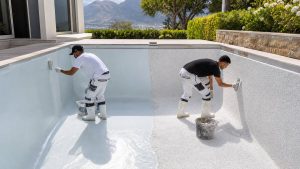
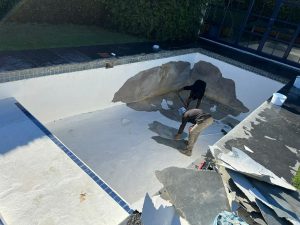
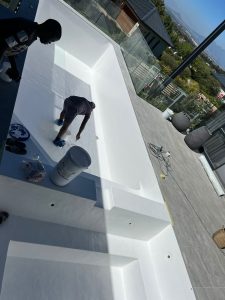
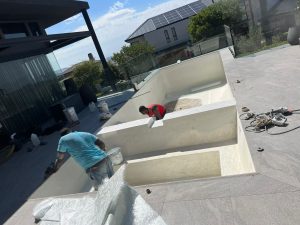
A durable repair addresses both the surface and the reason it failed. The shell is first cleaned and the damaged gelcoat and laminate ground back to sound material. Cracks are opened into a V-groove so new resin can key in properly, then rebuilt with layers of fibreglass matting and resin to restore strength. Once the structure is solid, a fresh gelcoat or specialised coating is applied and colour-matched to blend the repair into the surrounding surface.
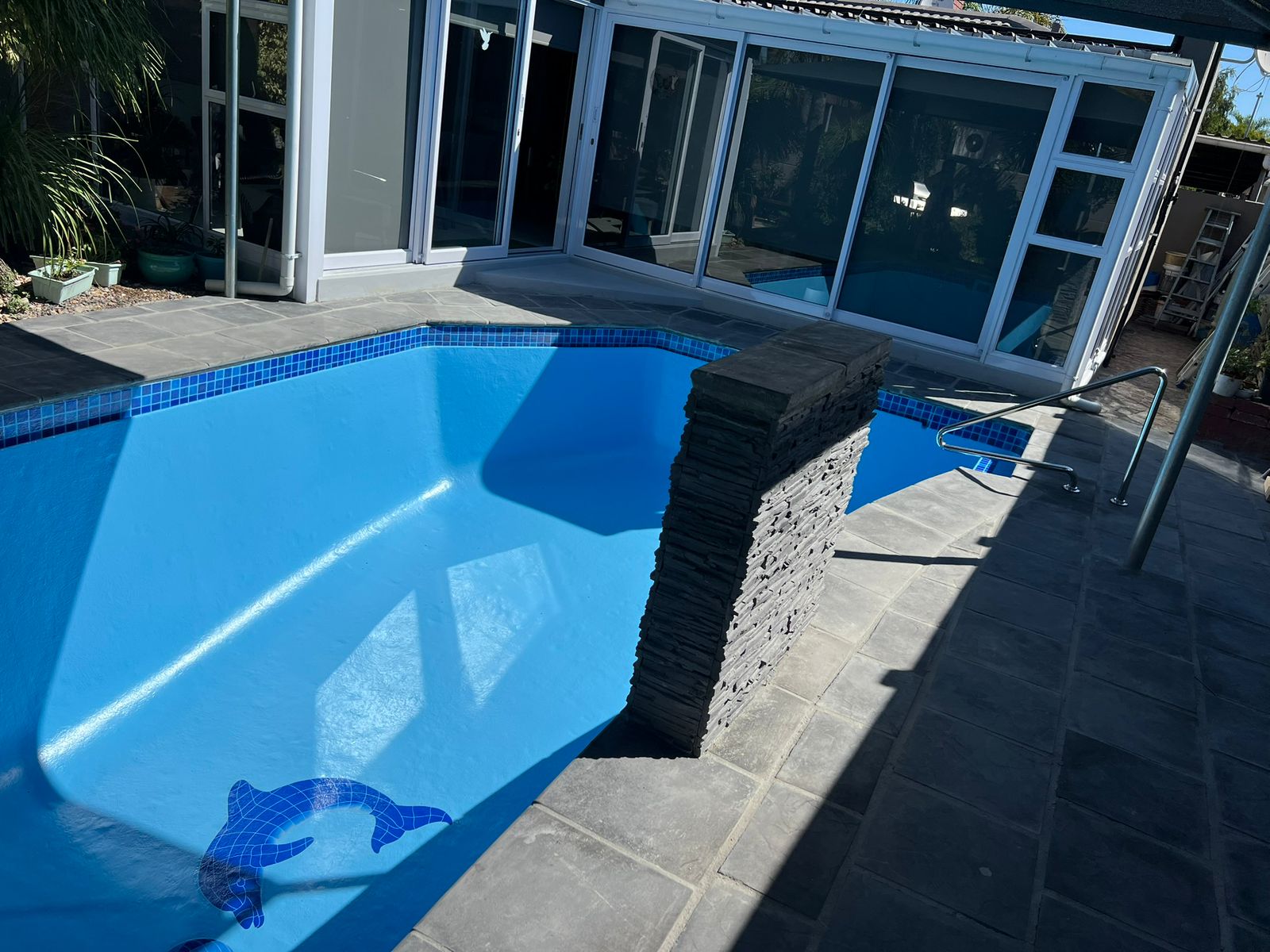
Where the underlying gelcoat is widely crazed, delaminated or beyond spot repair, a full fibreglass pool relining is the more sensible long-term route. Relining lays a completely new watertight layer over the whole shell, sealing existing cracks and giving you a fresh, uniform finish rather than a mosaic of patches that age at different rates.
When Resurfacing or Conversion Makes More Sense
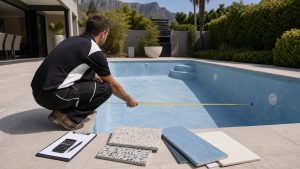
Not every tired shell needs to stay fibreglass. If the structure has moved significantly or the owner wants a different finish, converting to a plaster-style surface is a proven option. A quality marbelite resurfacing can rejuvenate an old pool with a hard, attractive coating that suits Cape Town conditions and is straightforward to maintain. The right choice depends on the shell’s condition, your budget and how long you plan to keep the pool.
Long-Term Solutions That Prevent It Happening Again
Lasting results come from fixing the cause, not just the symptom. Good drainage around the pool, a functioning hydrostatic relief valve, careful water-level management through winter and prompt attention to small cracks all extend a shell’s life dramatically. Keeping the pool chemically balanced also protects the gelcoat from premature breakdown.
- Maintain water level within the recommended range, especially during heavy rains.
- Ensure surface and subsoil drainage carries water away from the shell.
- Have the shell inspected if you notice any movement, staining or soft spots.
- Address cracks early, before they spread into structural damage.
If your fibreglass pool is bulging, cracking or losing water, the safest move is an on-site assessment by a team that understands local soils and water tables. Get in touch for a proper diagnosis and a repair plan built to keep your pool watertight for the long haul.