Few things are more frustrating for a pool owner in the Western Cape than watching muddy water, cracks or bulging plaster appear seemingly overnight. In many low-lying and coastal parts of Cape Town, the culprit is groundwater — water trapped in the soil that pushes against the shell of your pool from the outside. Left unchecked, this seepage can lift an empty pool, blow out sections of plaster and turn a small crack into a costly structural problem. The good news is that groundwater seepage is both preventable and repairable once you understand what is actually happening beneath the surface.
Why Groundwater Is Such a Problem in the Western Cape
Much of the Cape Flats, the Southern Suburbs and coastal towns sit on sandy soil with a naturally high water table. After the winter rains, that water table can rise to within a metre or two of the surface. When the soil around your pool becomes saturated, it exerts what engineers call hydrostatic pressure — a constant, outside-in force that never lets up.
A pool filled to the brim usually resists this pressure because the weight of the water inside balances the pressure outside. The danger comes when the outside pressure wins. That happens most often when a pool is drained for cleaning or repairs, when the shell has hairline cracks, or when the waterproofing membrane has aged and failed.
Warning Signs of Groundwater Seepage
Catching the problem early saves you money and stress. Keep an eye out for the following tell-tale signs:
- Cloudy, muddy or unusually cold water appearing after heavy rain.
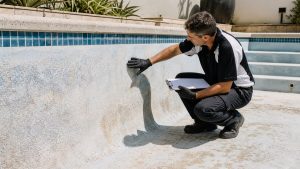
- Damp patches, bubbling or lifting of the plaster and fibreglass surface.
- Cracks that appear along the floor or where the walls meet the base.
- A pool that keeps rising in level even when the pump is off and it has not rained into the basin.
- An empty or partly drained pool that shifts, tilts or “pops” upward out of the ground.
If you notice any of these, avoid draining the pool completely until a professional has assessed the water table, as this is exactly when hydrostatic pressure does the most damage.
How to Stop the Seepage for Good
1. Install or Service a Hydrostatic Relief Valve
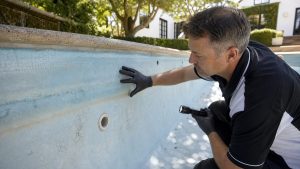
A hydrostatic relief valve sits in the floor of the pool and allows built-up groundwater to escape into the basin rather than pushing against the shell. It is one of the most effective long-term defences for pools in high water-table areas. Existing valves should be checked and cleared regularly so they do not seize up when you need them most.
2. Reseal and Reline the Shell
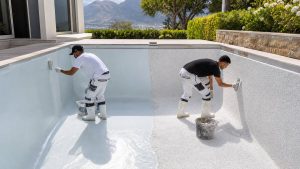
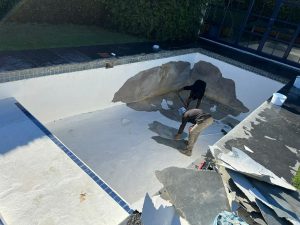
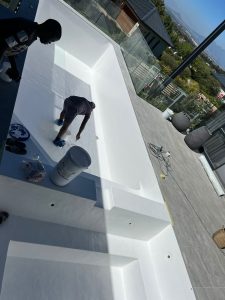
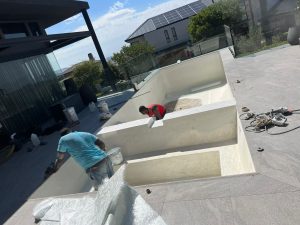
Seepage almost always means the waterproofing has been compromised. Re-lining the pool creates a fresh, continuous, watertight barrier that keeps groundwater out and pool water in. A modern fibreglass pool lining is flexible, seamless and highly resistant to the cracking that lets water move through the shell. For older concrete pools, a professionally applied marbelite resurfacing restores both the surface and the seal in one step.
3. Improve Drainage Around the Pool
Reducing how much water reaches the shell in the first place makes every other fix last longer. Consider:
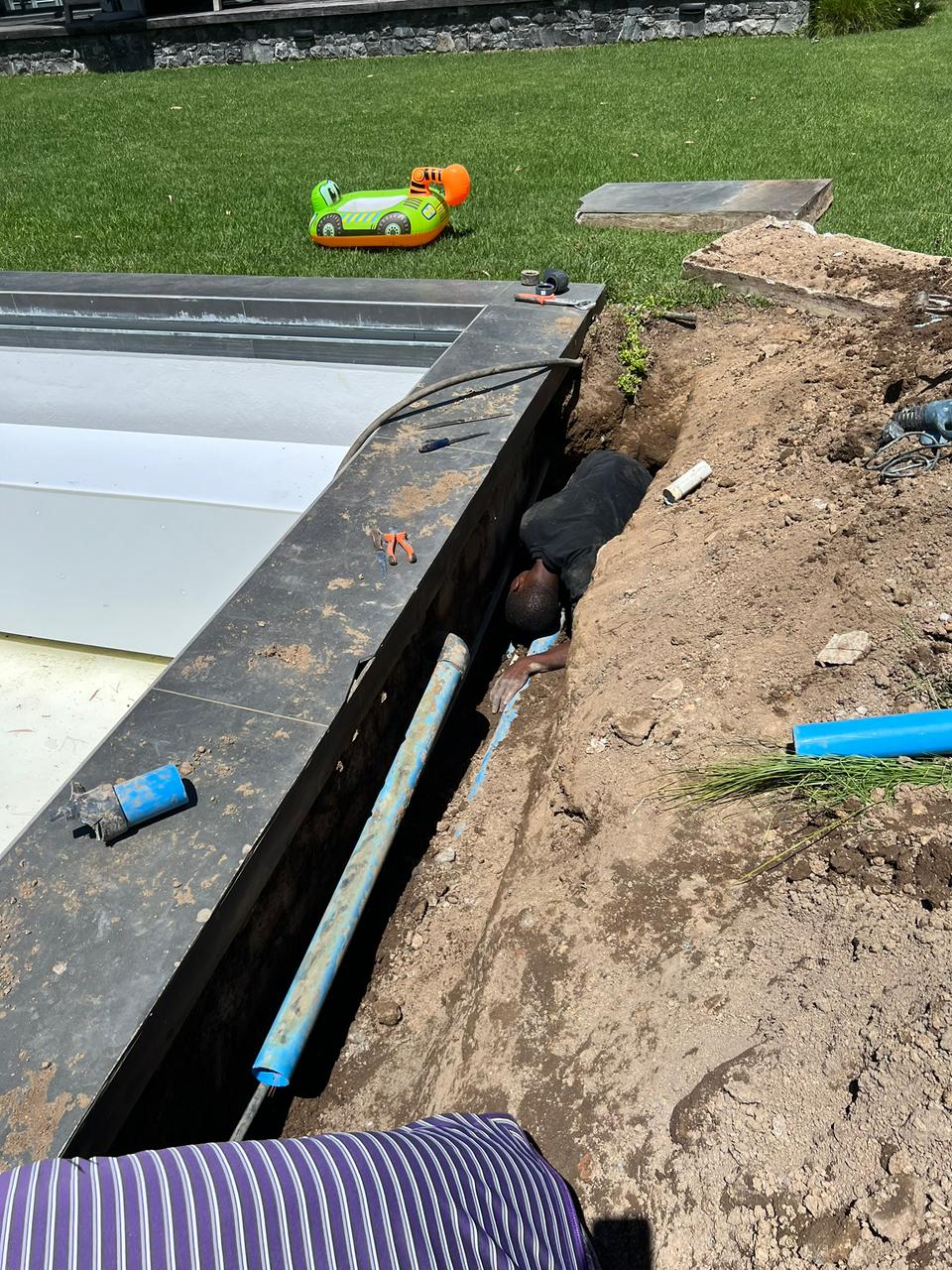
- French drains or agricultural piping to divert groundwater away from the pool.
- Grading the surrounding paving and garden so rainwater runs away from, not toward, the basin.
- Keeping gutters and stormwater outlets clear during the Cape winter.
4. Never Drain Without a Plan
If your pool must be emptied for repairs or renovation, it should only be done when the water table is low and, ideally, with relief valves open. An experienced team will monitor conditions and refill promptly to protect the structure.
When to Call in the Professionals
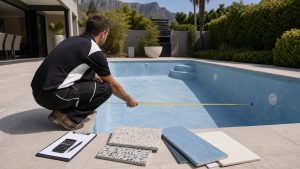
Groundwater problems rarely fix themselves, and a cheap patch over a hidden crack usually fails within a season or two. If your pool is showing any of the warning signs above, a proper inspection will pinpoint whether you need valve work, a full reline or better drainage. The specialists at Aquatic Pools work with high water-table conditions across Cape Town every day and can recommend the most cost-effective route for your specific site. To arrange an on-site assessment, simply get in touch with our team and describe what you have been seeing.
With the right combination of relief valves, a sound waterproof lining and smart drainage, even a pool built on the wettest Western Cape soil can stay dry, stable and beautiful for decades.