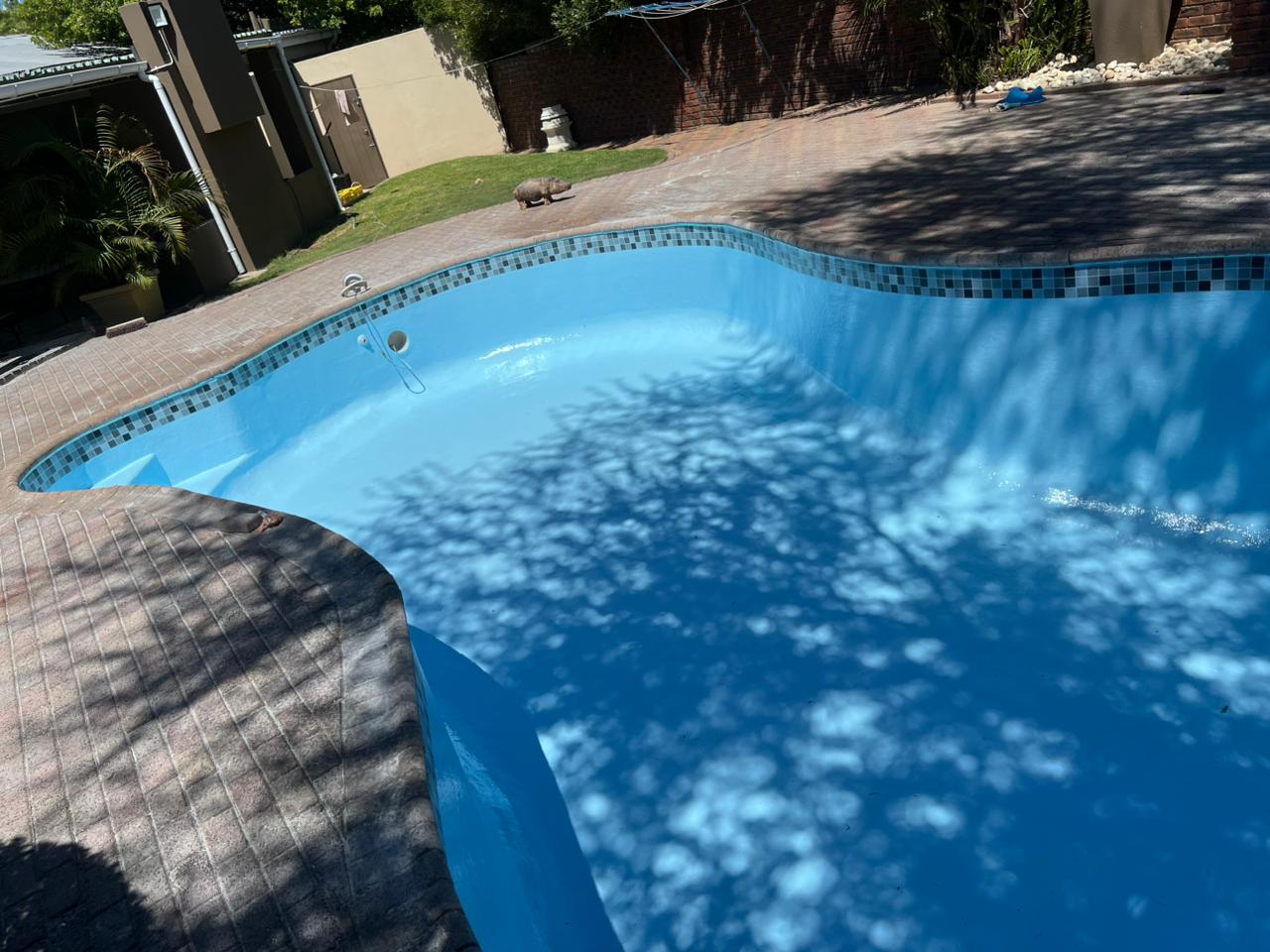
Few things rattle a Cape Town homeowner quite like walking outside to find the pool shell lifted, cracked, or tilted out of the ground. It looks dramatic, and it usually happens fast. This phenomenon is known as a pool “popping” or floating, and it is almost always caused by groundwater pressure building up underneath an empty or under-filled pool. If it has happened to you, the good news is that it can be assessed and repaired — but the steps you take in the first few days matter enormously.
Why Do Pools Pop Out of the Ground?
A swimming pool is essentially a heavy shell sitting in a hole in the ground. Under normal conditions, the weight of the water pressing down keeps everything stable. The problem starts when the pool is empty and the ground around it is wet. Water in the surrounding soil creates upward hydrostatic pressure, and with nothing pushing back down, that pressure can lift the entire shell like a boat.
In the Western Cape this is especially common during our wet winter months, when heavy rain saturates the soil and raises the water table. Low-lying areas, properties near vleis or rivers, and gardens with poor drainage are most at risk. A pool that was drained for cleaning, repairs, or resurfacing is the classic victim, because an empty pool has lost its single biggest defence.
Common triggers we see locally
- Draining a pool completely during the rainy season without managing groundwater.
- A blocked or failed hydrostatic relief valve in the pool floor.
- Burst pipes or leaks that quietly saturate the soil around the shell.
- Poor site drainage that channels rainwater towards the pool rather than away.
- A high natural water table on the property, often unknown until it becomes a problem.
What To Do Right Now
If your pool has already lifted, resist the urge to “fix” it yourself by pumping it full of water or digging around it. Both can make things worse. Instead, work through these steps calmly.
Do not refill it immediately
It feels natural to add water to weigh the pool back down, but if the ground is still saturated you can trap water underneath and lock the shell in its raised position. Refilling should only happen once the surrounding groundwater has been dealt with, and ideally under professional guidance.
Reduce the groundwater pressure first
The real fix is relieving the pressure below the pool, not adding weight on top. This usually means allowing the water table to drop naturally, or having a professional install or clear a hydrostatic relief valve so trapped water can escape. Once the upward pressure eases, the shell can often settle back down.
Get a professional assessment
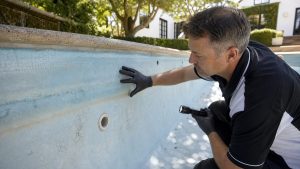
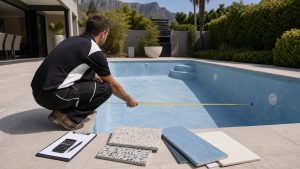
A popped pool needs an expert eye to check for structural cracks, damaged plumbing, and how far the shell has shifted. Some pools settle back with only cosmetic damage; others need resurfacing or relining. Rather than guessing, get in touch with our team for an honest assessment before you spend money on the wrong repair.
Repairing the Damage
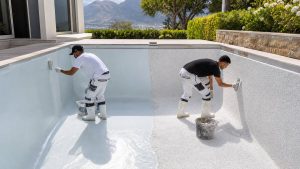
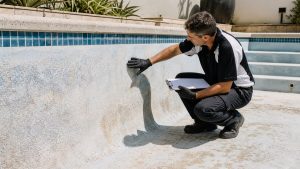
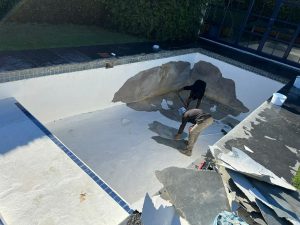
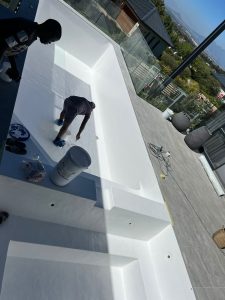
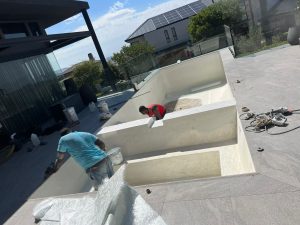
Once the pool is stable and the groundwater is under control, attention turns to the shell itself. Marbelite and plaster pools that have popped often show spider cracks, hollow patches, or a rough, delaminating surface where the movement stressed the finish. In many cases the right solution is a full marbelite resurfacing to restore a smooth, watertight interior.
Where cracking is more serious or the owner wants a longer-term, low-maintenance finish, a fibreglass pool lining can seal the shell and add a layer of flexibility that helps resist future movement. Fibreglass bonds to the existing structure and creates a continuous, non-porous surface, which is a real advantage when a pool has a history of cracking.
Prevention for the future
- Never drain your pool completely during the rainy season unless a professional is managing the process.
- Make sure your hydrostatic relief valve is present and working before any drain-down.
- Improve garden drainage so rainwater flows away from the pool, not towards it.
- Fix leaks and burst pipes promptly to keep the surrounding soil dry.
- If your property sits low or near water, ask a specialist about permanent groundwater management.
Get Expert Help in the Western Cape
A pool popping out of the ground is alarming, but it is a known problem with proven solutions. The key is acting carefully: relieve the pressure, avoid quick fixes that trap water, and bring in someone who can assess the shell properly. Whether your pool needs resurfacing, relining, or simply a plan to prevent it happening again, our Cape Town pool specialists can help you get back to enjoying a safe, watertight pool.