There are few things more disappointing than switching on your pool light for an evening swim, only to be met with darkness. A pool light not working is one of the most common complaints we hear from Cape Town and Western Cape pool owners, and the good news is that many causes are simple to diagnose. Before you assume the worst, this guide walks you through the checks a professional would make, in a safe and sensible order.
Safety First: Water and Electricity Don’t Mix
Pool lights run on electricity, and you are working around water, so caution is non-negotiable. Never poke around inside an electrical enclosure or a light niche while the circuit is live. If anyone is in the pool, get them out before you start testing anything. If at any point you are unsure, stop and call a qualified electrician or pool technician. No amount of ambient lighting is worth a nasty shock.
Most modern South African pool lights are low-voltage (12V) units fed by a transformer, which makes them safer than older mains-voltage designs. Even so, the wiring, transformer and distribution board are all mains-connected, so treat the whole system with respect.
Start With the Simple Stuff
Professionals always rule out the easy explanations first, because they are the most common and cost nothing to check. Work through these before you assume there is a serious fault:
- Check the switch and timer. Many pools run the light off a timer or a separate wall switch. Confirm it is actually switched on and that the timer hasn’t drifted after a power outage or load-shedding.
- Look at the circuit breaker. A tripped breaker or an earth-leakage trip on your DB board will kill the light instantly. Reset it once, and if it trips again immediately, leave it off and investigate further.
- Test other lights on the same circuit. If the pool light shares a circuit with garden or patio lights, see whether those work. This tells you whether the problem is the light itself or the supply feeding it.
- Consider load-shedding fallout. Frequent power cuts are hard on transformers and timers. A unit that worked yesterday may simply need its timer reset or, occasionally, has been damaged by a surge.
Digging a Little Deeper
If the basics check out and the light still won’t come on, it’s time to look at the components themselves.
The Bulb or LED Unit
On older halogen-style pool lights, a blown bulb is the usual culprit. LED units last far longer, but they aren’t immortal, and a single failed driver can take out the whole fitting. If your pool uses a sealed LED light, the entire unit typically needs replacing rather than just a globe.
The Transformer
The transformer steps mains voltage down to the safe low voltage your light needs. If it fails, the light gets no power at all. Transformers are a frequent point of failure, especially where they sit in a damp pump enclosure or are exposed to repeated surges. A technician can test the output with a multimeter in minutes.
Wiring and Moisture Ingress
Water is the enemy of any submerged fitting. Over the years, seals perish and moisture creeps into the light niche or the junction box, corroding connections and shorting the circuit. If you notice condensation inside the lens or rust around the fitting, moisture ingress is very likely your problem. This is also a common warning sign that your pool’s shell or lining may need attention, which is worth checking during any repair.
When It’s More Than Just the Light
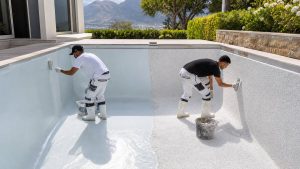
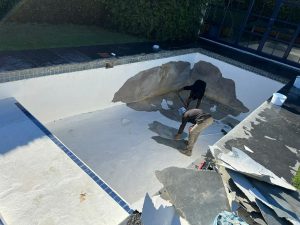
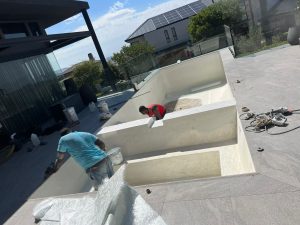
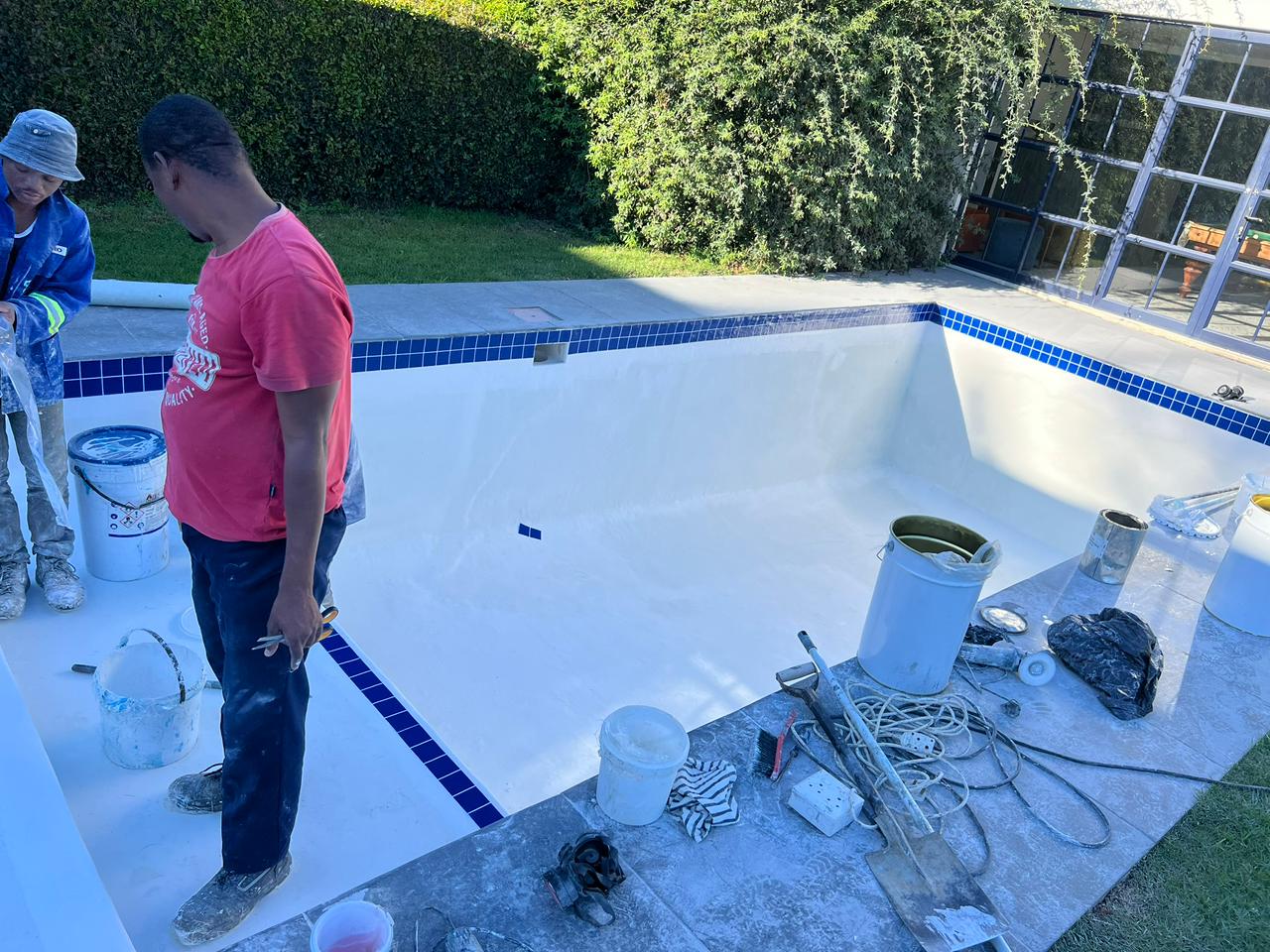
Sometimes a failing light is a symptom of a bigger issue with the pool structure. Cracks in an ageing marbelite surface or a compromised shell can allow water to track behind fittings, and that’s when electrical faults become recurring rather than once-off. If you’re already dealing with a tired interior, it often makes sense to sort the light while you address the surface.
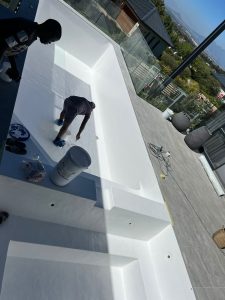
Our marbelite pool resurfacing in Cape Town regularly uncovers these hidden problems during a repair. A fresh fibreglass pool lining then resolves them in one go, leaving you with a watertight, good-as-new pool.
Knowing When to Call a Professional
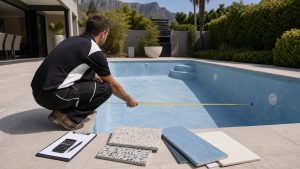
You can safely handle switches, breakers and timer resets yourself. But once you’re dealing with the transformer, the submerged fitting, or any wiring inside the niche, it’s best to bring in someone who does this every day. Removing and refitting a pool light correctly, with fresh seals and a proper watertight connection, is the difference between a lasting repair and a light that fails again after the first heavy rain.
If you’ve worked through the checks above and your pool light is still not working, the team at Aquatic Pools can diagnose the fault and get your pool glowing again. We look after pools across Cape Town and the wider Western Cape, from a quick fix to full pool relining and renovations when a closer look reveals more serious wear.
The Bottom Line
A dead pool light is usually less dramatic than it seems. Start with the switch, timer and breaker, then move on to the bulb, transformer and seals. Respect the mix of water and electricity at every step, and don’t hesitate to hand over anything involving the submerged fitting or wiring to a pro. If you’d like a hand, get in touch and we’ll help you get back to those warm evening swims under the lights.