Every swimming pool in South Africa eventually reaches a point where its interior surface has simply had enough. Years of sun, chlorine, fluctuating pH and the odd storm take their toll, and what was once a smooth, watertight finish becomes rough, stained or cracked. Resurfacing is the process of stripping back that tired interior and applying a fresh, durable surface — restoring both the look and the structural integrity of your pool. If you are weighing up your options, here is what you genuinely need to know before committing to a resurface.
Why pools need resurfacing in the first place
A pool’s interior surface is its waterproof skin. Once that skin degrades, water begins to seep into the shell, the pool loses water faster than evaporation alone can explain, and small problems quickly become expensive ones. In our Cape Town climate, intense summer UV and salt-laden air near the coast accelerate wear, so local pools often need attention sooner than you might expect. Resurfacing is not just cosmetic — done properly, it protects the concrete or gunite shell underneath for another decade or more.
Signs your pool is due for resurfacing
- Rough or chalky patches that scratch feet and swimwear
- Persistent staining or discolouration that no amount of brushing removes
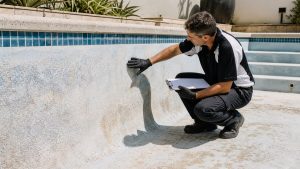
- Visible cracks, flaking or areas where the surface has lifted
- Exposed aggregate or the grey shell showing through the finish
- A steady, unexplained drop in water level suggesting the surface is no longer sealing
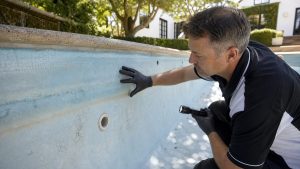
- Plaster “blisters” or hollow-sounding sections when tapped
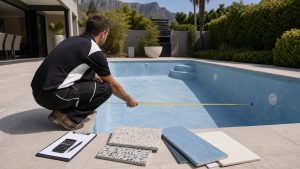
If you are noticing several of these at once, it is usually more cost-effective to resurface than to keep patching. A quick assessment from a specialist will confirm whether the shell itself is sound or whether repairs are needed first.
Your main resurfacing options in South Africa
There is no single “best” surface — the right choice depends on your budget, how you use the pool and the look you are after. The three most common options for South African pools are marbelite, fibreglass and pebble or quartz finishes.
Marbelite
Marbelite is the traditional, widely-used cement-based plaster finish, made from white cement blended with marble or stone powder. It is cost-effective, gives a classic smooth finish and can be tinted in a range of colours. With good water balance and maintenance, a marbelite surface typically lasts somewhere in the region of eight to twelve years. Because it is cement-based, it does need consistent chemical care to avoid etching and staining. Our marbelite pool resurfacing service in Cape Town is one of the most requested renovations we do, largely because it balances affordability with a proven track record.
Fibreglass lining
Fibreglass involves applying layers of resin and matting over the shell, sealed with a smooth gelcoat. It creates a flexible, non-porous surface that resists cracking, inhibits algae and is gentle on skin. Fibreglass generally carries a longer service life than plaster and holds up well against chemical wear, which makes it popular with owners who want lower long-term maintenance. If a tough, low-porosity finish appeals to you, our fibreglass pool lining option is worth exploring in detail.
Pebble and quartz finishes
Pebble and quartz finishes blend natural stone or quartz aggregate into the surface coat, producing a textured, premium look with excellent durability. These are usually the most hard-wearing (and priciest) of the three, often outlasting standard plaster comfortably. The natural, mottled appearance suits modern and organic garden designs, and the surface resists staining well. The slight texture also adds grip underfoot, which some families prefer.
What the resurfacing process involves
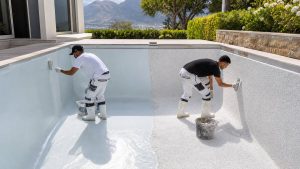
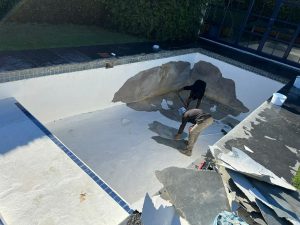
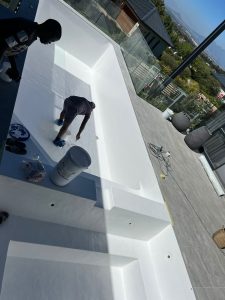
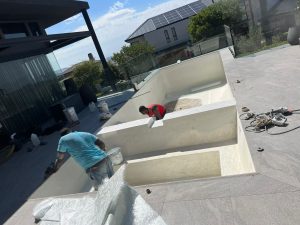
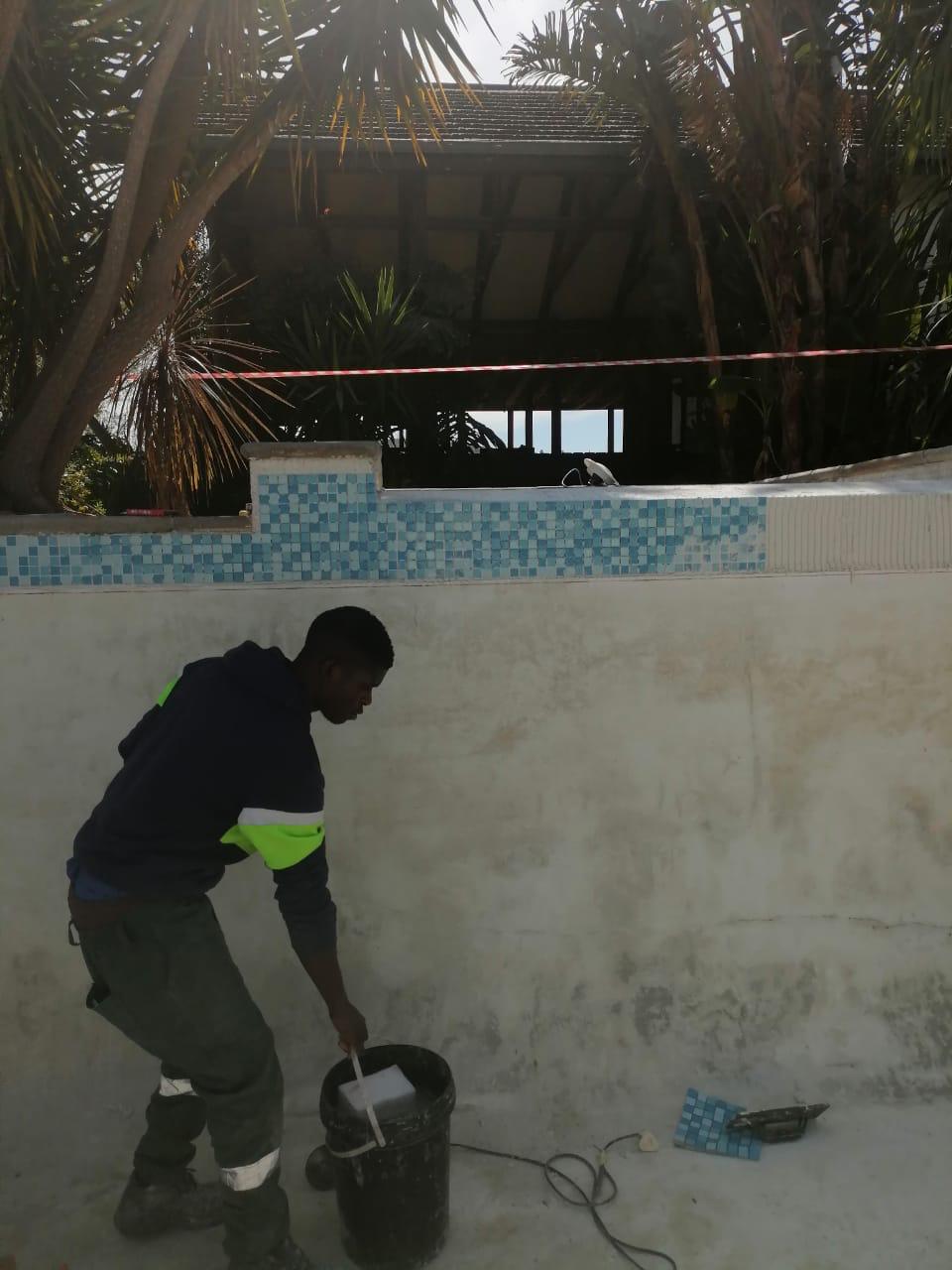
While the exact steps vary by surface type, most resurfacing jobs follow a similar path. The pool is drained and the old surface is chipped, sanded or acid-etched back to a sound base. Cracks and structural issues are repaired, and the shell is prepared and primed so the new finish bonds properly. The chosen surface is then applied, cured and, in the case of plaster and pebble finishes, carefully filled and balanced as the pool refills. Skipping preparation is the single biggest cause of premature failure, so a thorough, unrushed job matters far more than a fast one.
How long does it take?
A straightforward resurface is often completed within a week or two, weather permitting, with additional curing time before the pool is fully back in use. Coastal weather and access to the pool area can influence timelines, which is why an on-site assessment gives you a far more reliable estimate than any online guide.
Making the right choice for your pool
Choosing between marbelite, fibreglass and pebble comes down to how long you plan to stay, how much maintenance you want to take on, and the finish you love looking at every day. A good renovation partner will inspect the shell, talk you through the trade-offs honestly, and recommend the option that suits your specific pool rather than a one-size-fits-all answer. To see the full range of renovation work we offer, browse the Aquatic Pools website, and when you are ready for a tailored recommendation, simply get in touch with our team for an assessment.