Fibreglass is one of the most popular pool surfaces across the Western Cape, prized for its smooth finish, quick installation and resistance to our salty coastal air. But no surface lasts forever. Sun, ground movement and years of chemical exposure eventually take their toll, and knowing how fibreglass repairs work helps you protect your investment before small faults become expensive failures. This guide walks Cape Town pool owners through the essentials.
Why Fibreglass Pools Need Repairs
Fibreglass shells are strong, but they are not immune to wear. The intense Western Cape sun degrades the outer gelcoat layer over time, while shifting clay soils and seasonal ground movement place stress on the shell. Poor water chemistry accelerates the damage, stripping the surface and leaving it rough or chalky. Most problems begin at the gelcoat before they ever reach the structural layers beneath.
Common Signs of Fibreglass Damage
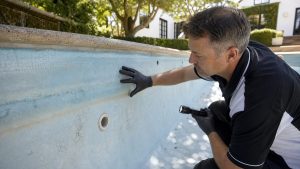
Catching trouble early keeps repair costs manageable. Watch for these warning signs:
- Spider cracks or crazing across the surface, especially near steps and corners
- Blisters or bubbling in the gelcoat caused by trapped moisture (osmosis)
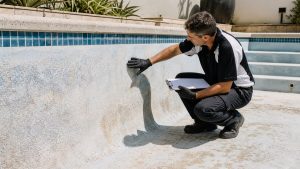
- Fading, chalky patches where the protective colour layer has worn thin
- Rough or abrasive areas underfoot that once felt smooth
- Persistent water loss that points to a crack or delamination
Types of Fibreglass Repair
The right fix depends on how deep the damage runs. Surface issues are straightforward, while structural cracks demand a more thorough approach.
Gelcoat and Surface Repairs
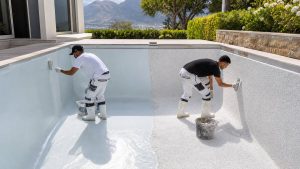
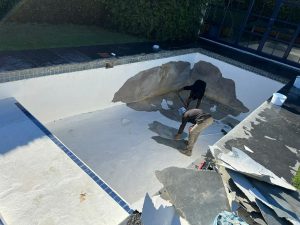
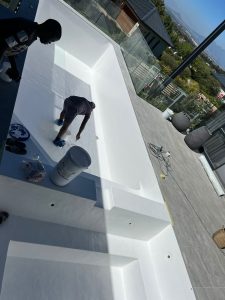
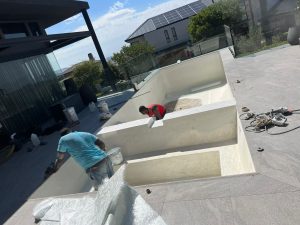
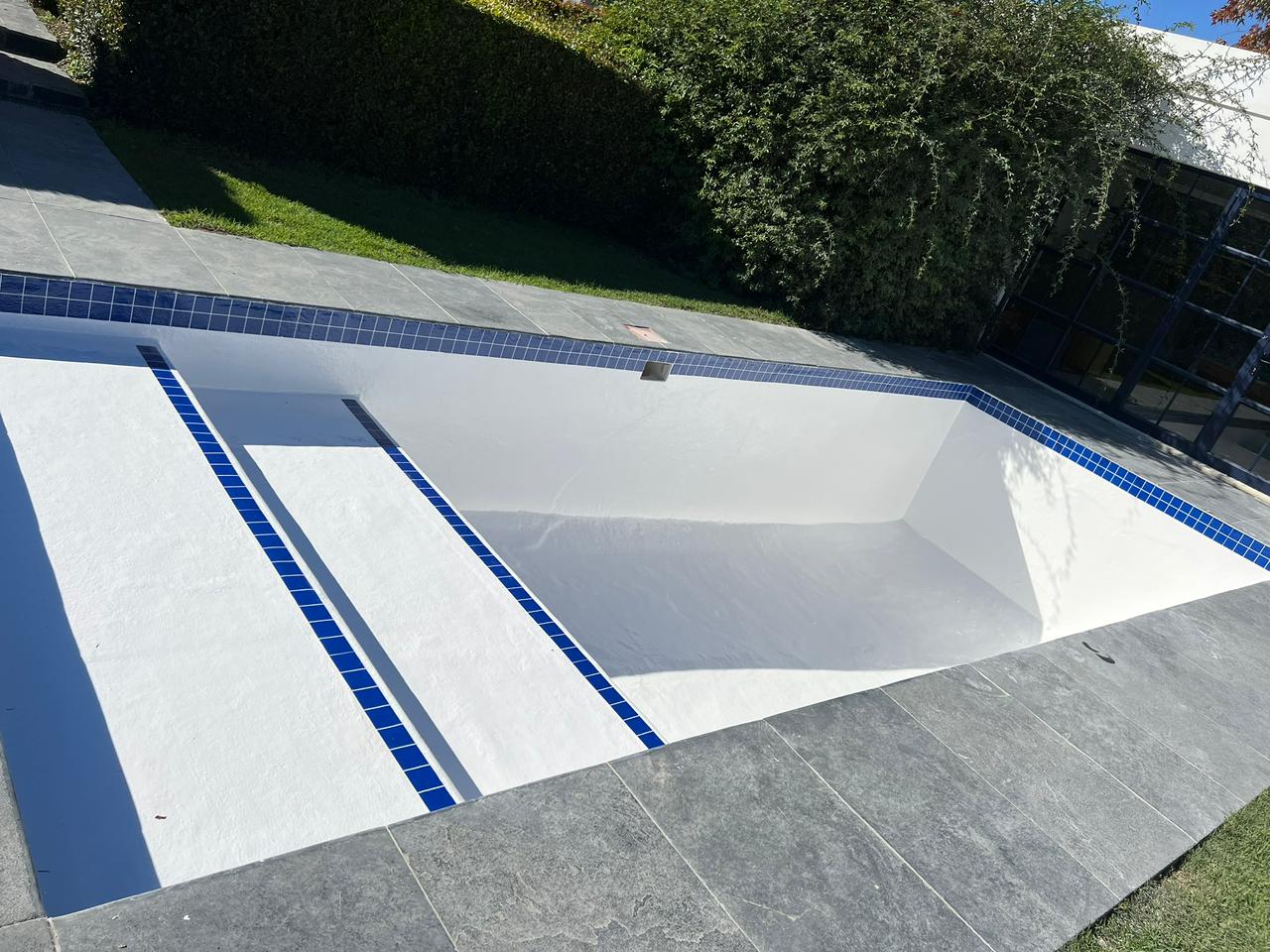
Superficial crazing, minor chips and worn colour are treated by grinding back the affected area, applying fresh gelcoat and polishing the finish to blend with the surrounding shell. This restores both looks and the waterproof barrier that protects the fibreglass matting underneath.
Structural Crack Repairs
Deeper cracks that reach the laminate need new layers of fibreglass matting and resin bonded into the shell, followed by a gelcoat topcoat. Done properly, the repaired section is as strong as the original. This is skilled work, and a professional fibreglass pool lining specialist will diagnose whether a patch will hold or whether a full re-line is the better long-term choice.
Fibreglass Repair vs Resurfacing
If damage is widespread rather than isolated, spot repairs become a losing battle. At that point a full resurface makes more sense, and some owners take the opportunity to switch finishes entirely. A durable marbelite pool resurfacing option, for example, suits older pools that have been patched repeatedly. A good contractor will be honest about when repair ends and renovation begins.
What Affects the Cost
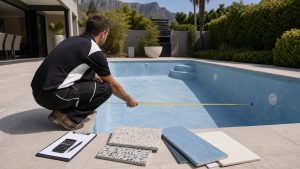
Every pool is different, so pricing is best quoted after an on-site inspection. The main factors that influence the cost of fibreglass repairs include:
- The size and depth of the damaged area, and how many separate spots need work
- Whether the problem is cosmetic gelcoat wear or structural cracking
- Access to the pool and how much draining, prep and curing time is required
- The finish and colour match needed to blend the repair seamlessly
Beware of quotes that seem too cheap. A rushed gelcoat patch that skips proper preparation will lift and fail within a season, costing more in the long run.
Keeping Repairs Lasting Longer
Once a repair is done, sensible maintenance protects it. Keep your water balanced, brush the surface regularly, and address leaks or staining promptly rather than letting them spread. Consistent care is the cheapest form of pool insurance in our climate.
Get Expert Help in the Western Cape
Fibreglass repairs reward experience, correct materials and patience with curing times, none of which suit a rushed weekend job. If your pool is showing cracks, blisters or a worn surface, it is worth having it assessed before the next swimming season. You can explore the full range of services on the Aquatic Pools site, and when you are ready for a proper inspection, simply get in touch with the team for honest advice tailored to your pool.