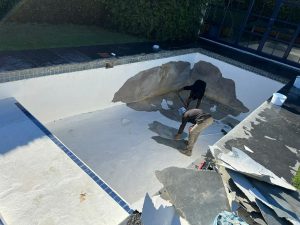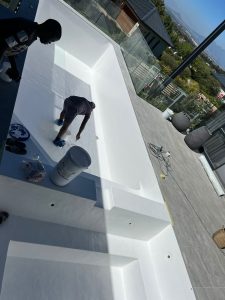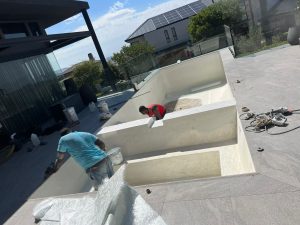
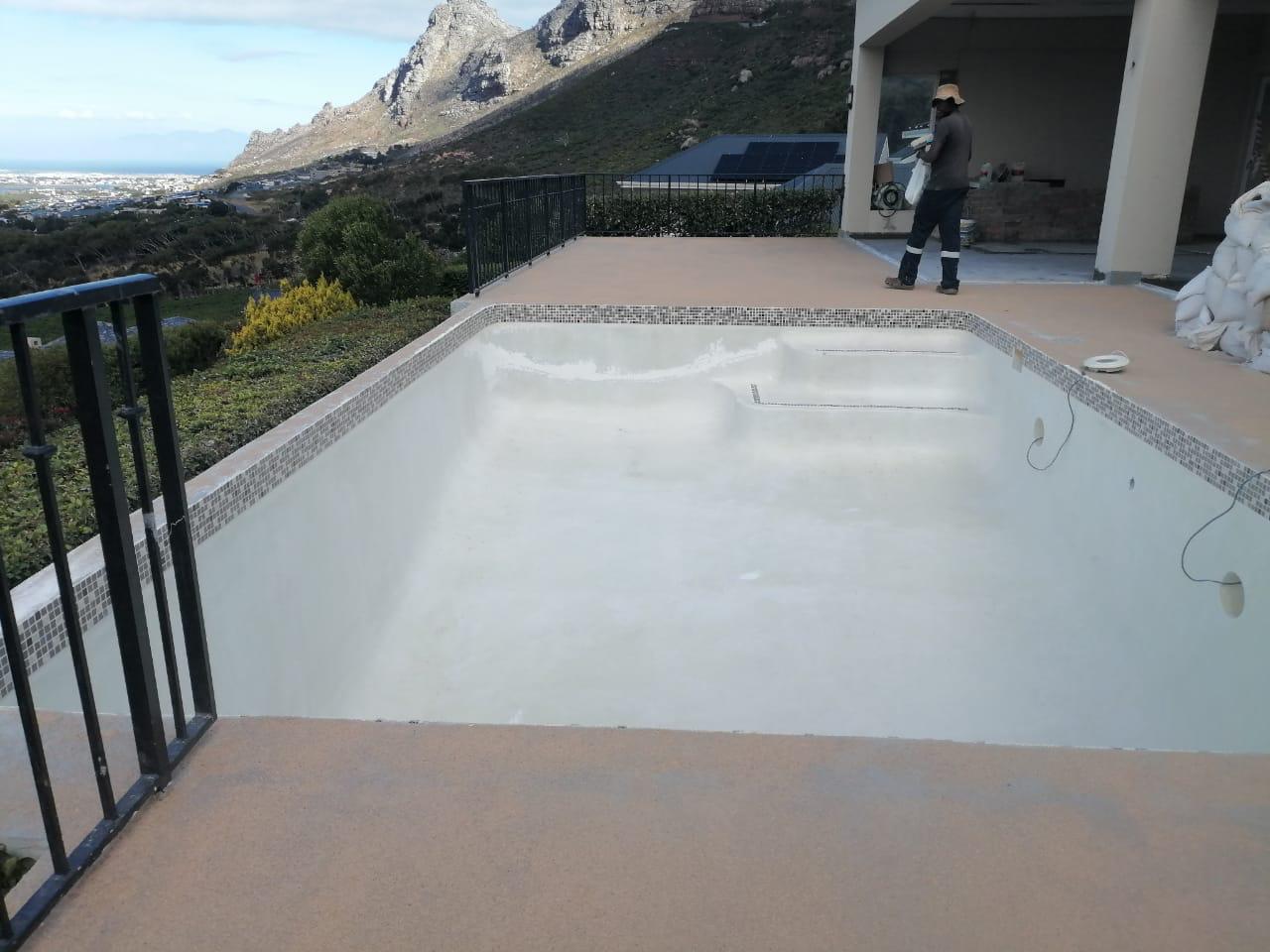
Cape Town’s swimming pools take a beating. Between the summer sun, salty coastal air in suburbs like Camps Bay and Muizenberg, and the mineral-heavy water many of us pump into our pools, the plaster surface is usually the first thing to show its age. If you’ve noticed rough patches under your feet, flaky white deposits, or thin cracks spidering across the marbelite, your pool’s interior is asking for attention. The good news is that many plaster problems can be caught and fixed before they turn into a full resurfacing job. This guide walks you through what causes plaster damage, how to tackle small repairs, and when it’s smarter to bring in a professional.
Why Pool Plaster Fails
The plaster or marbelite lining is more than a pretty finish — it’s the waterproof barrier between your pool water and the shell underneath. Over years of use it slowly erodes, and several local conditions speed that up.
- Chemical imbalance: Water that sits too acidic or too alkaline for long stretches etches and dissolves the plaster surface.
- Aggressive brushing and cleaning: Harsh acid washing done too often thins the surface prematurely.
- Structural movement: Cape Town’s clay-rich soils shift and settle, which can crack the shell and telegraph through to the plaster.
- Age: Even a well-maintained marbelite finish has a lifespan, typically a couple of decades before it wears through.
Understanding the cause matters, because patching over a symptom without addressing water chemistry or a moving shell just buys you a few months before the damage returns.
Spotting the Difference Between Cosmetic and Serious Damage
Not every blemish needs a builder. Learning to read your pool surface saves money and worry.
Minor, DIY-friendly issues
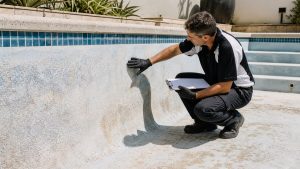
Small chips, isolated hairline cracks, and rough spots caused by mild etching are usually cosmetic. They don’t leak and they don’t threaten the shell. These are the sorts of repairs a confident pool owner can handle over a weekend, provided the pool can be drained safely.
Warning signs of bigger trouble
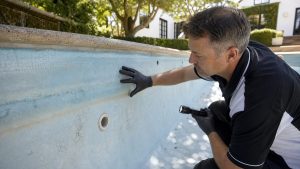
Widening cracks, hollow-sounding areas when you tap them, persistent water loss, or large sections where the plaster has debonded from the shell all point to deeper problems. Stains that keep returning after cleaning, or plaster that flakes away in sheets, usually mean the finish has reached the end of its life and a full resurface is the honest answer.
How to Patch Small Plaster Damage
If you’ve decided the damage is minor, here’s the general approach. Always drain only as much as you need and never leave a fibreglass or marbelite pool empty for long in Cape Town’s water table without professional advice.
- Prepare the area: Chip out loose or crumbling plaster back to a sound edge and clean away all dust and debris.
- Wet the surface: Plaster patches bond best to a damp, clean substrate, so mist the repair zone before you start.
- Mix a compatible patch material: Use a white pool cement or a purpose-made marbelite patching compound so the colour and texture blend in.
- Apply and smooth: Press the mix firmly into the void, then feather the edges level with the surrounding surface using a trowel.
- Cure gently: Keep the patch damp as it cures and refill slowly, then rebalance your water chemistry before anyone swims.
Expect a fresh patch to be slightly visible at first. It will blend more closely once it has cured and the pool has been in use for a few weeks.
When Resurfacing Beats Patching
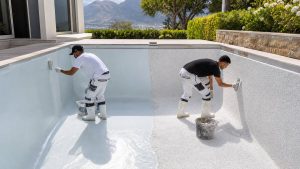
There comes a point where chasing individual cracks is a false economy. If your plaster is patched in a dozen places, the whole surface feels like sandpaper, or you’re topping up water regularly, resurfacing gives you a clean, watertight finish that lasts. In Cape Town, homeowners generally weigh up two routes: a fresh marbelite resurfacing that restores the traditional look, or a modern fibreglass pool lining that seals the shell in one continuous membrane and resists chemical wear well in our conditions.
Both options are considerably more involved than a patch. They require proper surface preparation, controlled curing, and experience with our local climate and soil movement — which is exactly why they tend to outlast a quick DIY fix.
Knowing When to Call a Professional
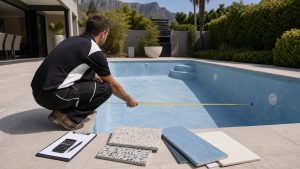
DIY patching has its place, but there’s no shame in recognising a job that needs a specialist. Structural cracks, ongoing leaks, extensive delamination, or any repair on a pool you rely on for the summer season are best handled by people who resurface pools every week. A professional can also diagnose why the plaster failed, so the fix actually holds.
If you’re unsure which camp your pool falls into, it’s worth a conversation. The team at Aquatic Pools works on renovation and resurfacing projects across the Cape Town area and can assess whether a patch or a full restoration is the right call. When you’re ready for an honest opinion, reach out through the contact page and get your pool surface sorted before the next swimming season arrives.