Pool putty is one of the handiest quick fixes a Western Cape pool owner can keep in the shed. This two-part epoxy sets hard even underwater, which makes it ideal for sealing small cracks, hairline leaks and popped-out fittings without draining the whole pool. If you own a pool anywhere from the Atlantic Seaboard to the Winelands, knowing how to apply pool putty properly can save you water, money and a weekend of frustration. In this guide we walk through when to use it, how to apply it, and when a small crack is actually a sign of something bigger.
What Is Pool Putty and When Should You Use It?
Pool putty is a hand-mouldable epoxy that comes as two components you knead together until they form a single colour. Once mixed, it cures into a rock-hard, waterproof seal that bonds to fibreglass, marbelite, concrete and most pool surfaces. It is designed for spot repairs rather than large-scale resurfacing, so think of it as a first-aid kit for your pool.
Good candidates for a pool putty repair include:
- Hairline cracks around returns, skimmers and light fittings
- Small leaks where you can see a slow drop in water level
- Loose or lifting tile edges and grout gaps
- Minor chips in marbelite or fibreglass that expose the surface below
- Sealing around drains and other underwater fittings
If the damage is spreading, structural, or covers a large area, putty is only a stopgap. In those cases you are better off booking a proper assessment before the problem worsens.
How to Apply Pool Putty: Step by Step
The beauty of pool putty is that most repairs can be done underwater, so you rarely need to drain. In the Western Cape, where water restrictions come and go with the seasons, that is a real advantage. Here is the basic process.
1. Find and Clean the Area
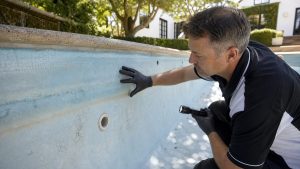
Locate the crack or leak and scrub the surrounding surface with a stiff brush to remove algae, oils and loose material. A clean surface is the single biggest factor in whether the putty holds. If you can, lightly rough up the area with sandpaper so the epoxy has something to grip.
2. Mix the Two Parts
Cut off equal amounts of each component and knead them together with your fingers until the colour is completely uniform, with no streaks. Work reasonably fast, as most putties start to firm up within a few minutes once mixed.
3. Press It Firmly Into Place
Push the putty into the crack or over the leak, pressing hard so it fills the gap and spreads slightly beyond the damaged area. Smooth the edges with a wet finger so water flows over it cleanly. For underwater work, hold it in place for a minute to help it grab.
4. Let It Cure
Follow the product instructions, but as a rule give it several hours before running the pump at full pressure. A full cure often takes 24 hours. Avoid heavy swimming near the repair until then.
Pool Putty in the Cape Climate
Our coastal and Boland conditions put pools through a lot. Salt-laden air on the coast, big temperature swings inland, and the natural movement of soil in winter all encourage small cracks to form. Pool putty handles these minor issues well, but repeated cracking in the same spot usually points to surface fatigue or movement in the shell. When marbelite starts crazing across a whole wall, patching each crack becomes a losing battle, and full marbelite pool resurfacing in Cape Town is the more lasting answer.
When a Repair Needs More Than Putty
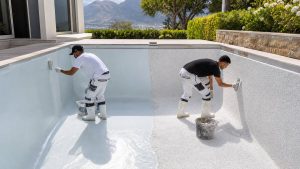
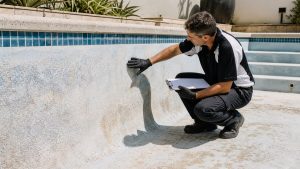
Pool putty is brilliant for buying time, but it is not a substitute for professional restoration. If you notice widening cracks, ongoing water loss, blistering, or a rough, chalky surface underfoot, the interior lining may be reaching the end of its life. At that point a durable relining is the smarter investment.
- Persistent leaks that return within weeks of patching
- Large sections of flaking or discoloured surface
- Structural cracks that run through the shell
- An old marbelite finish that stains and roughens no matter how you treat the water
For pools past the point of spot repairs, a modern fibreglass pool lining gives a smooth, watertight, low-maintenance finish that stands up to our climate for years. It seals the entire surface rather than a single crack, so you stop chasing leaks one by one.
Get Expert Advice Before You Patch
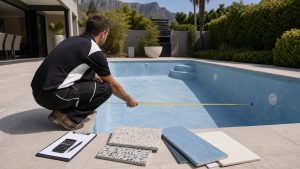
A tub of pool putty belongs in every Western Cape pool owner’s toolkit, but knowing the difference between a quick fix and a warning sign is what really protects your pool. If you are unsure whether that hairline crack is cosmetic or the start of something serious, it costs nothing to ask. The team at Aquatic Pools renovates and relines pools across Cape Town and the Western Cape and can tell you honestly whether putty will do or whether it is time for resurfacing. When in doubt, get in touch for a professional assessment before a small leak turns into a big repair.