Standing at the edge of a tired old pool, watching the sun bounce off cracked plaster and faded coping, most Cape Town homeowners ask themselves the same question: is it smarter to breathe new life into what I already have, or start from scratch? It is one of the biggest calls you will make about your outdoor space, and the honest answer is that it depends far less on a single price tag and far more on a handful of decision factors that are unique to your property, your shell and your goals.
Start With the Bones, Not the Surface
The most important thing to understand is that a scruffy-looking pool is not necessarily a failing pool. Surface problems — chalky marbelite, hairline crazing, stubborn stains, a dated colour — are cosmetic, and cosmetic problems are almost always cheaper to solve than structural ones. What genuinely matters is the condition of the shell underneath.
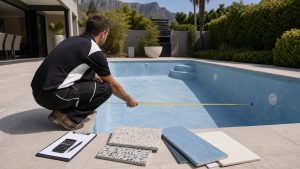
Before you decide anything, it is worth getting a clear read on the structure. Ask a professional to check for:
- Active leaks or a consistent, unexplained drop in water level
- Structural cracks that move or run right through the shell, as opposed to surface crazing
- Movement or settlement, often visible where the pool meets the paving
- Failing waterproofing and persistent damp on the surrounding beds or walls
- The state of the plumbing, returns and any embedded fittings
If the bones are sound, refurbishment is usually the far more sensible route. If the shell is genuinely compromised and moving, that changes the calculation, and a new build may be the more responsible long-term choice.
What Refurbishment Actually Buys You
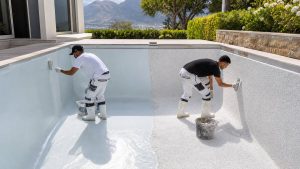
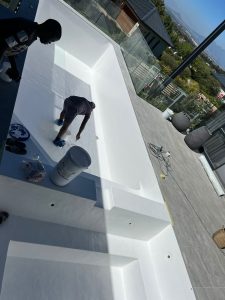
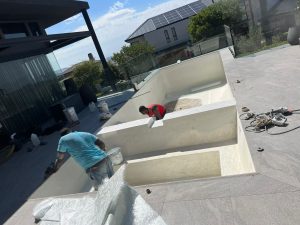
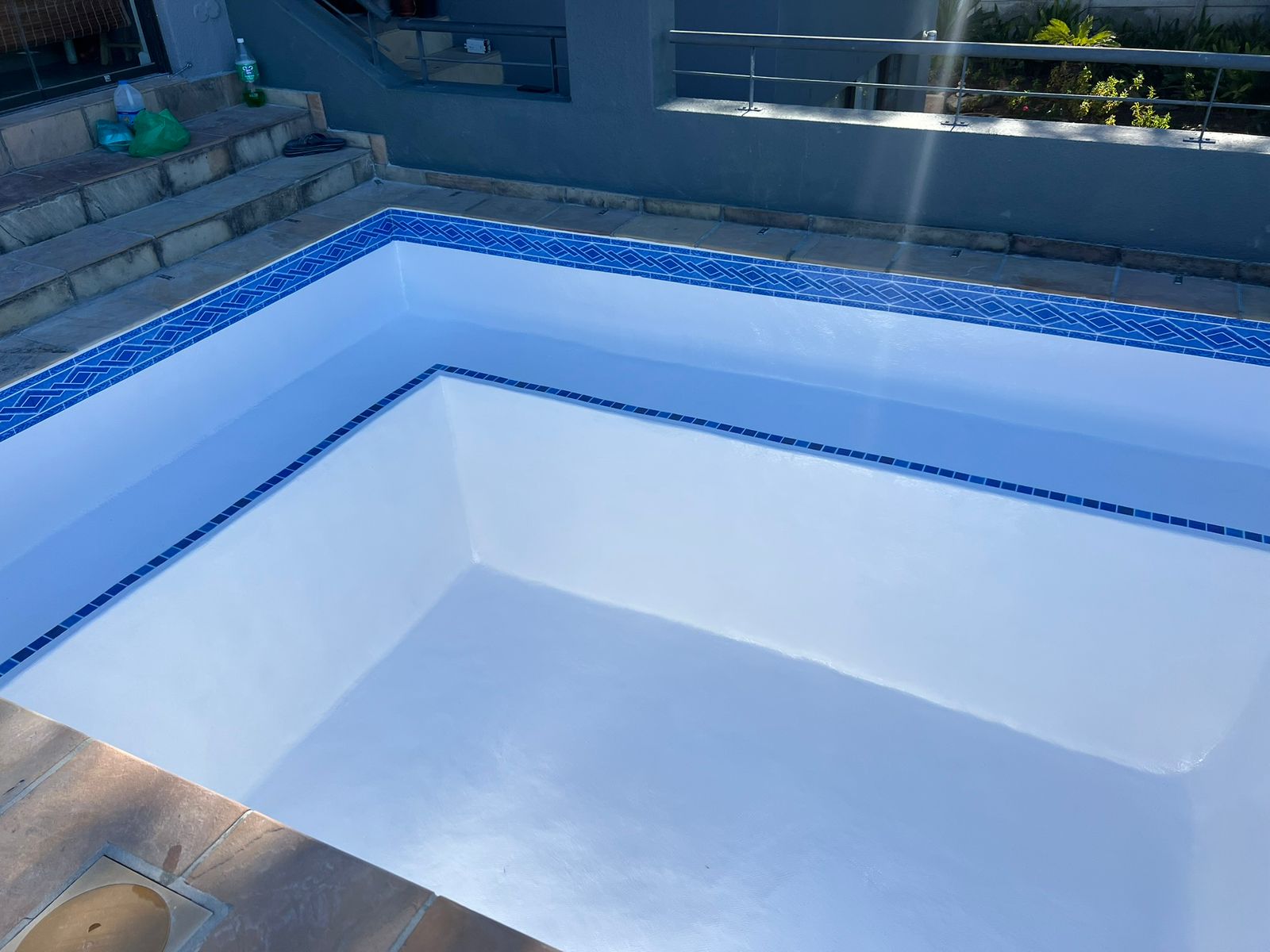
For the majority of older Cape Town pools, the shell is fine and the surface has simply reached the end of its life. This is exactly where refurbishment shines. A marbelite resurfacing can take a rough, patchy interior back to a smooth, uniform finish, while a fibreglass pool lining adds a durable, non-porous layer that resists staining, algae and further deterioration.
The appeal of refurbishing is not only about spending less than a full rebuild. It is about keeping what already works: the existing excavation, the position that catches the afternoon sun, the mature garden around it, and the paving you have grown to love. You are upgrading the parts that fail while preserving the parts that don’t.
When a New Build Makes More Sense
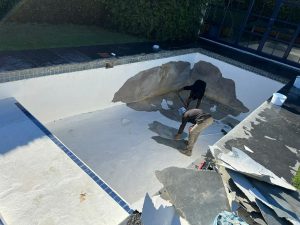
There are situations where starting over is the wiser decision. If the shell has serious structural failure, if the pool is badly positioned, awkwardly shaped or simply the wrong size for how your family actually uses the space, then pouring money into refurbishment can feel like polishing something you were always going to want to replace.
A new build gives you a blank canvas — modern shapes, better circulation, and the chance to rethink the whole layout. The trade-offs, though, are real: significantly more disruption, heavy machinery on site, a longer timeline, and the removal of established landscaping. For a fundamentally sound pool, those trade-offs rarely justify themselves.
Weighing the Real Costs Beyond the Quote
When people compare the two options, they tend to fixate on the headline figure and forget the surrounding costs. A refurbishment is generally quicker, less invasive and easier to plan around your daily life. A new build touches everything nearby — fencing, paving, irrigation and planting — and those knock-on expenses add up. Think in terms of total investment and years of enjoyment, not just the resurfacing or excavation line item.
Factors That Should Guide Your Decision
- Structural integrity: the single biggest deciding factor
- How long you plan to stay: a forever home justifies a different level of investment
- Whether the current size and shape suit your lifestyle
- Your tolerance for disruption and downtime
- The condition of the surrounding paving, garden and equipment
The Cape Town Bottom Line
For most homeowners here, a structurally sound pool with a tired surface is a refurbishment story, not a demolition one. Relining or resurfacing typically delivers the look and lifespan of a new pool without the upheaval, while a new build earns its place only when the existing shell or layout truly cannot serve you. The smartest way to spend your money is to base the decision on facts about your specific pool rather than on how weathered it looks from the deck.
If you are unsure which side of that line your pool sits on, the best next step is an honest, on-site assessment. Get in touch with our team for a straight answer, or explore more of what we do across Cape Town on our pool refurbishment services page.