If you have spent any time browsing pool supply shops around Cape Town, you have probably seen bags of fluffy, fibre-like material marketed as a modern replacement for sand. Pool filter balls promise cleaner water, lighter backwashing and lower running costs, but plenty of pool owners are understandably sceptical. So what exactly are they, and do they really live up to the hype? Below we break down how filter balls work, where they shine and where they fall short, so you can decide whether they belong in your pool.
What Are Pool Filter Balls?
Pool filter balls are small, lightweight bundles of polyester or similar synthetic fibre designed to sit inside your existing sand filter tank. Instead of water passing through a heavy bed of silica sand, it flows through a tangled mesh of fine fibres that trap dirt, debris and fine particles. A single bag of filter balls typically replaces a much heavier load of sand, which is one of the reasons they have become so popular with pool owners who want an easier maintenance routine.
They are not a filter on their own. You still need a functioning filtration and pump setup, along with a well-maintained pool surface, whether that is a smooth fibreglass shell or a freshly resurfaced interior. If you are unsure how your whole system fits together, the team behind Aquatic Pools can walk you through how your filter, pump and pool lining all work as one.
How Do Filter Balls Actually Clean the Water?
The principle is straightforward. As water is pushed through the filter tank, the fibres create a dense but porous barrier. Larger leaves and grit are caught quickly, while the finer fibres capture much smaller particles than sand grains can. Many pool owners report that filter balls can trap particles down to a finer level than standard sand, which can mean noticeably clearer water when everything is running well.
Because the balls are so light, they also move and shift slightly as water flows through them, which helps expose fresh surface area for trapping dirt. This is quite different from a compacted sand bed, which can channel water through the same paths over time and lose efficiency.
The Main Benefits
- Lighter to handle: A bag of filter balls weighs a fraction of the sand it replaces, making installation and changeovers far less of a back-breaking job.
- Less water used when backwashing: Filter balls generally need shorter backwash cycles, which matters in a water-conscious region like the Western Cape.
- Finer filtration: Many users notice clearer, softer-looking water thanks to the finer particle capture.
- Reusable and washable: Instead of replacing them, you can often remove and rinse the balls to restore performance.
- Reduced strain on the pump: Lower resistance can mean easier flow through the system.
Do Pool Filter Balls Really Work?
For most residential pools, the honest answer is yes, filter balls do work, but with some conditions. They perform best when your pump, plumbing and pool interior are already in good shape. If your pool has a rough or failing surface that constantly sheds grit, no filter media will keep the water pristine on its own. Water clarity is always a combination of filtration, chemistry and a sound pool interior working together.
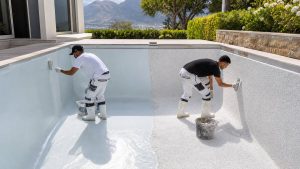
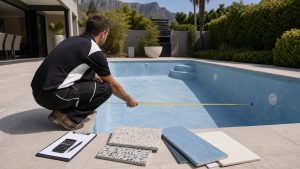
This is where the condition of your pool shell becomes important. A deteriorating marbelite or fibreglass surface will keep releasing fine debris into the water, overloading whatever filter media you use. If your pool is showing chalky patches or a rough feel underfoot, upgrading to a smooth, sealed surface such as a fibreglass pool lining will do more for long-term water quality than any change of filter media. A professionally applied marbelite resurfacing finish delivers the same lasting benefit.
Where Filter Balls Fall Short
Filter balls are not a miracle product. Because the fibres are so fine, they can clog with oils, sunscreen and body lotions over time, particularly in a busy family pool. When this happens they need a thorough rinse or replacement to keep flowing freely. In pools with very heavy debris loads, some owners find that filter balls need more frequent attention than they expected. They also may not suit every filter tank, so it is worth checking compatibility before you commit.
Are They Worth It for a Cape Town Pool?
Given the ongoing focus on water saving across Cape Town and the wider Western Cape, the reduced backwash demand alone makes filter balls an appealing option for many households. Combined with easier handling and finer filtration, they are a reasonable upgrade for owners who want a lighter maintenance load. Just remember that they are one part of a healthy pool, not a fix for underlying problems.
If you are weighing up filter balls as part of a broader pool refresh, it makes sense to have your whole setup assessed first. Whether you simply want advice on filtration or you are considering resurfacing to solve persistent cloudiness, the specialists at Aquatic Pools can help you get it right. Feel free to get in touch with our team for tailored guidance on your pool.
The Bottom Line
Pool filter balls are a genuine, effective alternative to sand for most home pools. They filter finely, save water on backwashing and are far easier to handle. As long as your pump and pool surface are in good condition, they can leave your water looking crisp and inviting. Pair them with a well-maintained interior and a balanced chemistry routine, and you will get the most out of this clever little upgrade.