If you own a swimming pool in Cape Town or anywhere across the Western Cape, you have probably heard the term “pool maintenance” thrown around by service providers and neighbours alike. But what does it actually mean? At its simplest, swimming pool maintenance is the ongoing routine of keeping your pool water clean, chemically balanced and safe to swim in, while making sure the pool structure and equipment stay in good working order. Done well, it protects your investment and keeps the water sparkling; neglected, it leads to green water, damaged surfaces and costly repairs.
Why Pool Maintenance Matters
A swimming pool is a significant investment, and like any part of your home it needs regular attention. Our Western Cape climate, with its hot, dry summers and the famous Cape Doctor south-easter, means pools collect dust, leaves and debris quickly. Sunlight also burns off chlorine faster, so water can turn cloudy or green in a matter of days if left unattended. Beyond appearance, poorly maintained water can harbour bacteria and algae that make swimming unpleasant and unhygienic. Consistent maintenance keeps your family safe and extends the life of your pool surface and equipment.
The Core Tasks of Pool Maintenance
Pool maintenance is really a collection of small, regular jobs rather than one big task. Once you understand the routine, it becomes second nature. The essentials break down into a few key areas.
- Skimming and cleaning: Removing leaves, insects and debris from the surface with a net, and brushing the walls and floor to prevent algae build-up.
- Vacuuming: Clearing dirt and sediment that settles on the pool floor, either manually or with an automatic pool cleaner.
- Water testing: Checking chlorine, pH and alkalinity levels regularly to keep the water balanced.
- Chemical dosing: Adding chlorine, acid or other chemicals to correct any imbalance the tests reveal.
- Filter care: Backwashing the sand filter and cleaning the pump baskets so water keeps circulating properly.
Water Chemistry Made Simple
The heart of good maintenance is balanced water chemistry. Three numbers matter most. Chlorine sanitises the water and kills bacteria and algae. pH measures how acidic or alkaline the water is, and keeping it in the correct range stops the water from irritating eyes and skin or corroding equipment. Total alkalinity acts as a buffer that keeps the pH stable. When these are in harmony, the water stays clear, comfortable and easy to manage. When they drift out of range, problems appear fast.
Circulation and Filtration
Clean water depends on movement. Your pump and filter work together to draw water through the system, trap dirt and return it clean. Running the pump for several hours a day, especially in summer, keeps the whole volume of water turning over and prevents stagnant spots where algae love to grow. A blocked filter or a pump that runs too little is one of the most common reasons a pool starts to go cloudy.
The Role of the Pool Surface
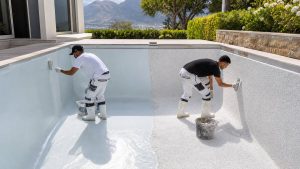
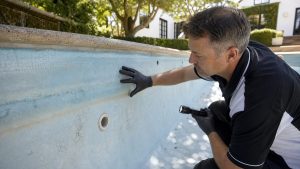
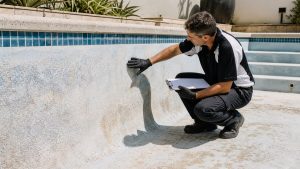
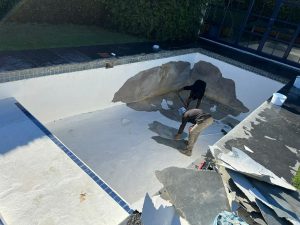
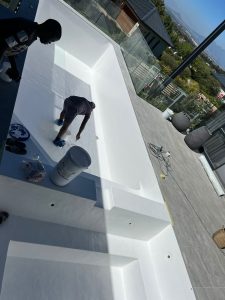
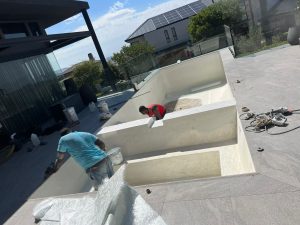
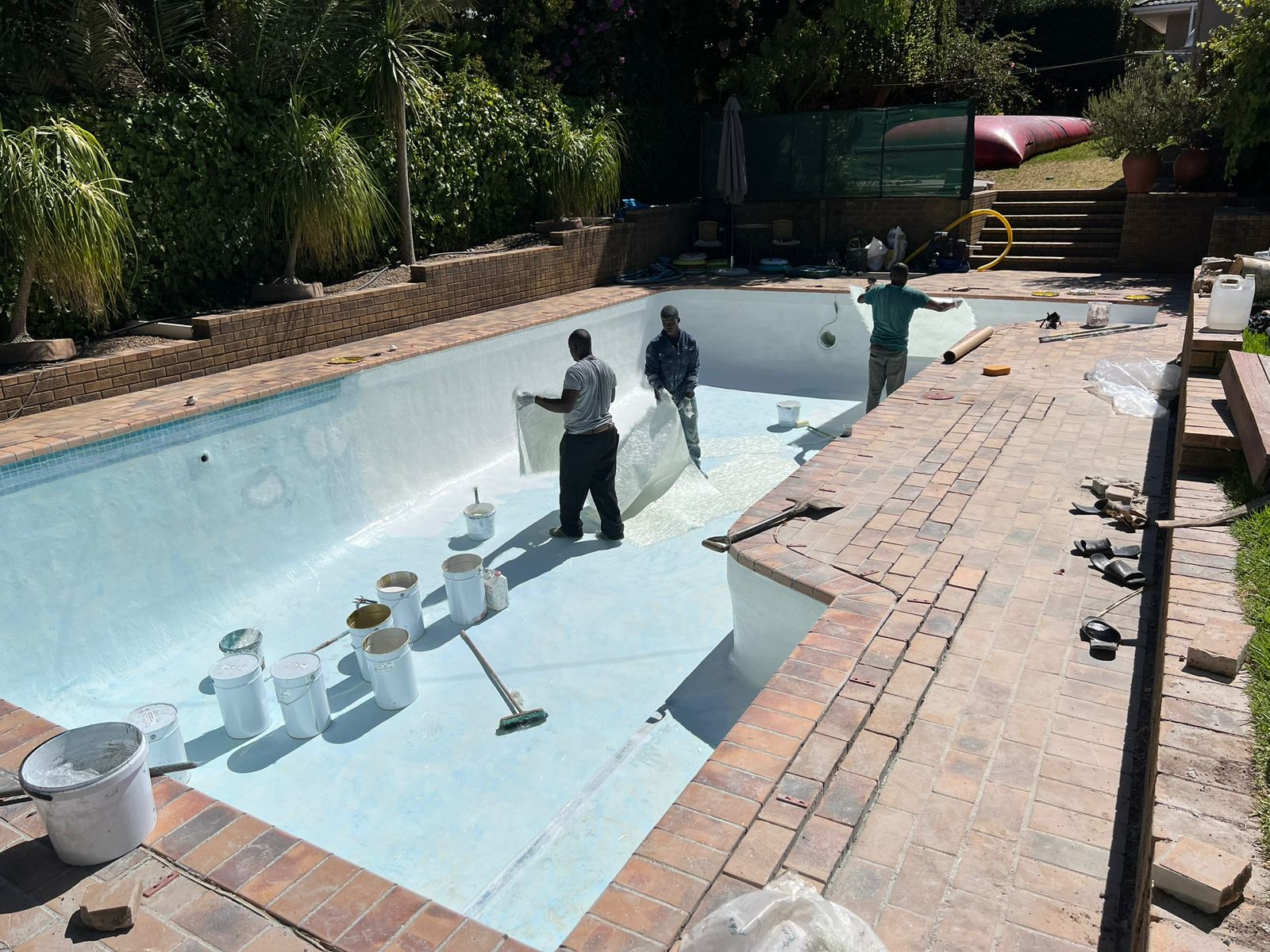
Maintenance is not only about the water; the pool shell itself plays a big part. A smooth, well-sealed surface is far easier to keep clean because there are fewer rough patches for algae and dirt to cling to. Over time, older marbelite and plaster surfaces can become porous, stained or rough, which makes maintenance harder no matter how carefully you dose the water. This is why resurfacing is such a worthwhile long-term investment. Options like marbelite pool resurfacing in Cape Town restore a durable, attractive finish, while a fibreglass pool lining creates a smooth, non-porous surface that resists algae and is gentle on the feet.
Weekly and Seasonal Routines
Most pool owners settle into a weekly rhythm: skim and brush, test the water, adjust chemicals, empty the baskets and backwash the filter when needed. Seasonal changes shift the workload too. In summer the pool is used more and evaporates faster, so you top up water levels and check chemistry more often. In the cooler, wetter Cape winter months, usage drops but leaves and rain can still cause trouble, so a lighter routine keeps things ticking over until swimming season returns.
When to Call in the Professionals
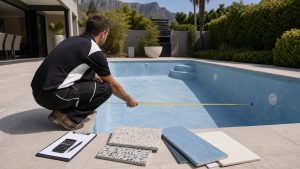
Plenty of pool owners handle the day-to-day tasks themselves, and that is entirely doable once you know the basics. However, some jobs are best left to specialists, such as diagnosing persistent green water, repairing equipment, or renewing a tired pool surface. If your pool is a constant battle no matter how much you clean and dose it, the underlying issue is often the surface or the plumbing rather than your effort. In those cases, a professional assessment saves time, money and frustration.
Swimming pool maintenance, then, is simply the sum of these regular habits: clean water, balanced chemistry, good circulation and a sound pool surface. Master the routine and your pool becomes a pleasure rather than a chore. If you would like expert help with your pool or are considering resurfacing to make maintenance easier, get in touch with our team or visit the Aquatic Pools website to learn more about how we can help you enjoy a clean, healthy pool all year round.