Draining a swimming pool sounds simple — but in Cape Town it’s one of the riskiest things you can do to your pool, and water restrictions add another layer to think about. Before you pull the plug, here’s what every Cape Town pool owner should know.
Should you drain your pool? (Usually, no)
Most pool problems — green water, algae, imbalance — are fixed with the pool full. Draining is rarely necessary and exposes your pool to serious risk. You generally only need to drain for resurfacing/relining, major structural repairs, or extreme water chemistry that can’t be corrected otherwise.
Cape Town water restrictions and pools
Cape Town has lived through severe drought, and water restrictions can limit topping up or refilling pools with municipal water. Even when restrictions ease, refilling a whole pool uses thousands of litres and lands on your bill. Many owners use borehole or well-point water or pool covers to reduce consumption. Always check the current City of Cape Town restrictions before draining or refilling. (This is general guidance — confirm the rules in force at the time.)
When draining IS necessary
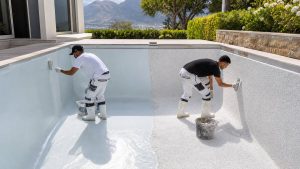
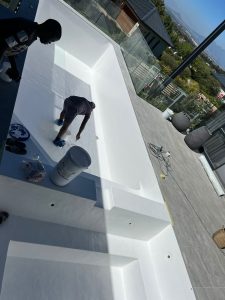
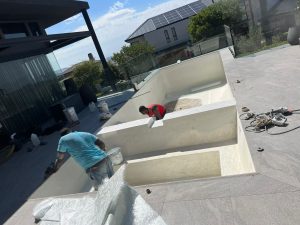
- Fibreglass relining or marbelite resurfacing (done by professionals)
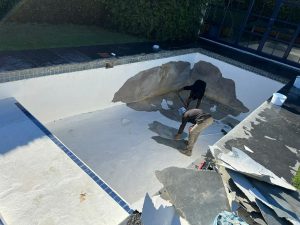
- Structural or major crack repairs
- Severe contamination that can’t be filtered out
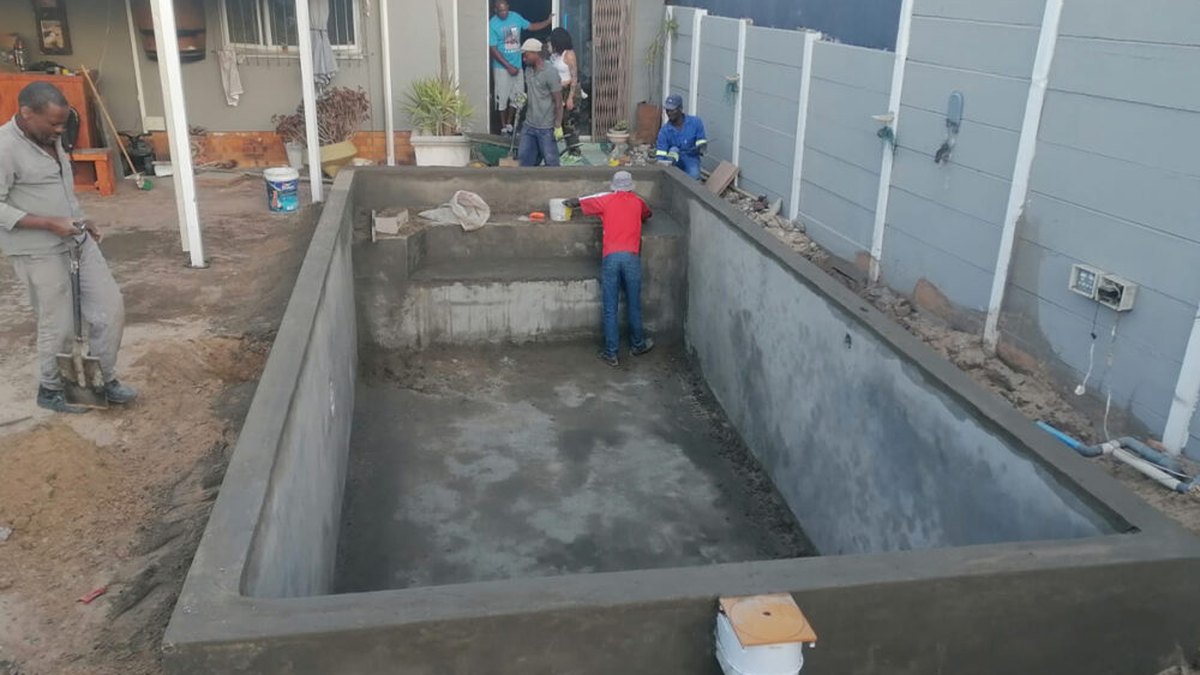
In these cases it’s part of a planned, professional job — not a DIY weekend task.
The risks of draining a pool
- “Popping” / flotation. This is the big one. An empty pool — especially fibreglass or marbelite — can literally lift out of the ground when groundwater (hydrostatic pressure) pushes up beneath it. This ruins the pool.
- Surface damage. Marbelite and fibreglass can crack or dry out when exposed to sun while empty.
- Structural stress on the shell.
This is exactly why draining should be left to professionals who manage the timing and pressure.
How to drain a pool safely
If draining is genuinely required:
- Use a professional who understands hydrostatic pressure and your pool type.
- Release hydrostatic pressure via the hydrostatic relief valve, and avoid draining after heavy rain when the water table is high.
- Pick dry, mild weather — never leave a pool empty in baking sun or for long periods.
- Plan the work so the pool is refilled promptly (e.g. straight after resurfacing).
- Reuse the water where possible (irrigation) and refill responsibly within restrictions.
Water-saving alternatives to draining
- Fix green/cloudy water chemically instead of draining
- Use a pool cover to cut evaporation — see our pool covers guide
- Backwash efficiently and only when needed
- Partial drain-and-refill rather than a full drain where possible
How long can a pool safely sit empty?
As little time as possible. Every day an empty pool sits exposed it risks flotation from groundwater and surface damage from the sun. That’s why professional resurfacing is scheduled so the pool is drained, worked on and refilled in the shortest practical window — never left empty “for a while”.
What it costs to refill a pool in Cape Town
A typical residential pool holds 30,000–50,000+ litres. Refilling with municipal water uses a lot of water and money, and may be restricted. Reusing borehole water, refilling gradually, and using a pool cover afterwards to cut evaporation all help manage the cost — another reason to avoid draining unless it’s truly necessary.
Frequently asked questions
Will my pool pop out of the ground if I drain it?
It can — empty fibreglass and marbelite pools can float on groundwater (hydrostatic pressure). This is why draining should be done by professionals who relieve the pressure and time the work.
Can I drain pool water onto my garden?
Lightly chlorinated water can sometimes be used on hardy plants once chlorine has dropped, but heavily chlorinated or salty water can harm plants and isn’t ideal — check current local guidance.
Can you drain a pool in Cape Town?
You can, but water restrictions may limit refilling with municipal water, and draining carries real risk. Only drain when necessary (e.g. resurfacing) and check current City of Cape Town restrictions first.
Why is draining a pool dangerous?
An empty pool can float or “pop” out of the ground from hydrostatic pressure, especially fibreglass and marbelite pools. The surface can also crack in the sun.
Do I need to drain my pool to resurface it?
Yes — resurfacing and fibreglass relining are done on an empty pool, but by professionals who manage the draining, timing and pressure safely.
Planning a resurface or repair?
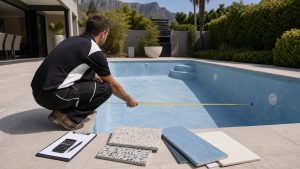
If you need to drain for resurfacing or a reline, let a professional manage the timing and hydrostatic pressure so your pool doesn’t lift or crack. Get a free on-site quote for the work you have in mind.
You can also browse our pool services or the fibreglass pool lining we do in Durbanville and across the Cape.