Few things spoil the look of a beautiful swimming pool faster than a spreading rust mark or a stubborn brown stain creeping across the plaster. In Cape Town, where hard water, mineral-rich fill water and coastal air all play a part, staining is one of the most common complaints we hear from pool owners. The good news is that most stains on Marbelite and gunite surfaces can be identified, treated and prevented with the right approach. This guide walks you through pool rust and stain removal in Cape Town so you can keep your surface looking crisp and clean.
Why Marbelite and Gunite Pools Stain
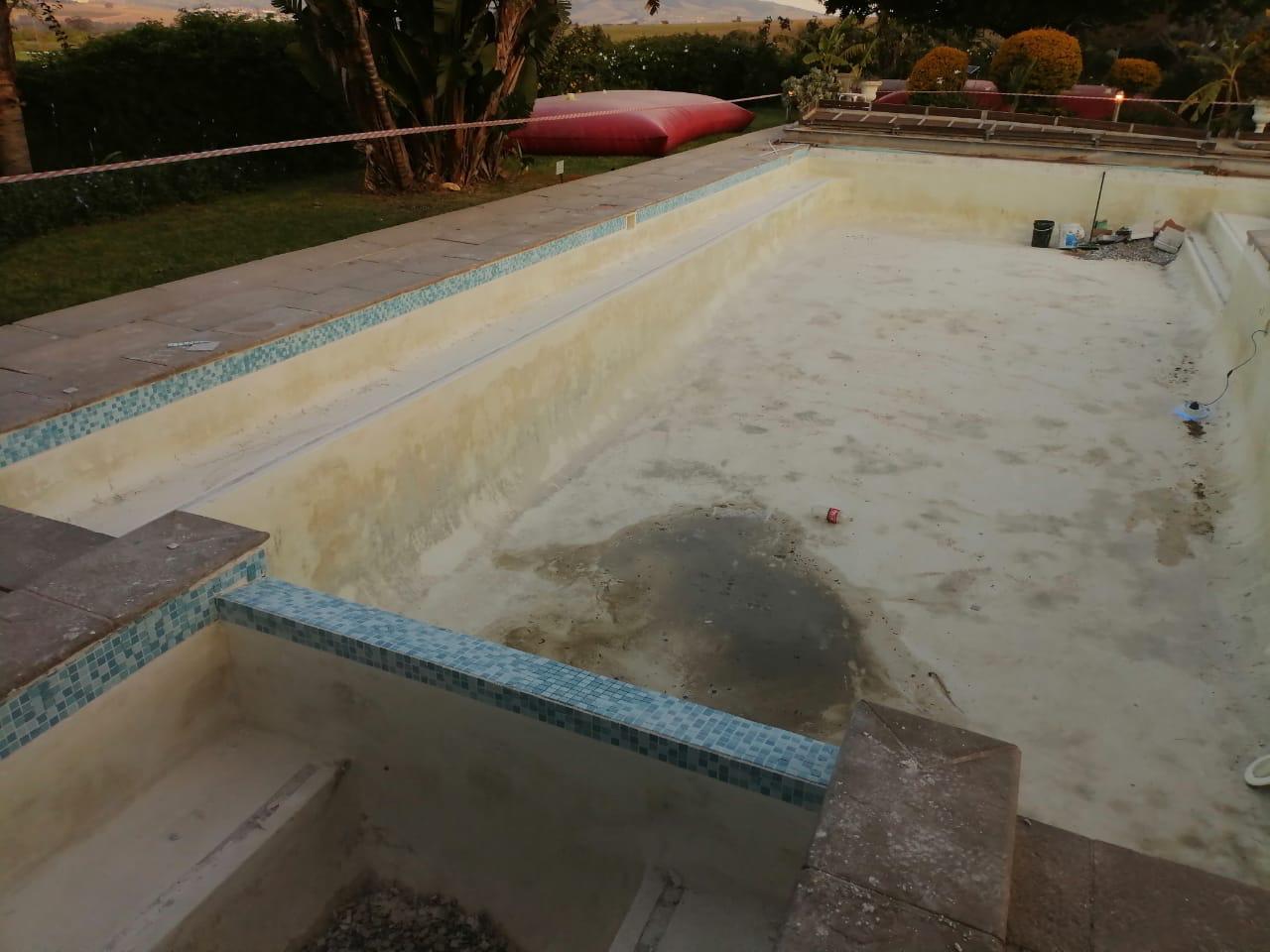
Marbelite and gunite are both cement-based finishes, which means they are naturally porous. That porosity is exactly what makes them prone to picking up metals and minerals from the water. Over time, iron, copper, manganese and calcium settle into the surface and leave discolouration behind. Cape Town’s water quality varies suburb to suburb, and boreholes or well-point top-ups can introduce even more dissolved metals than municipal supply.
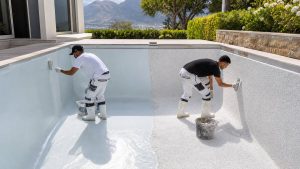
When a finish ages and the surface layer wears thin, staining tends to accelerate. If your pool is reaching that stage, it may be worth reading up on Marbelite pool resurfacing in Cape Town as a longer-term solution rather than fighting recurring marks season after season.
Identifying the Stain Before You Treat It
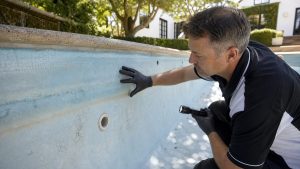
Getting the diagnosis right is half the battle. Treating a metal stain with the wrong product can set it deeper or bleach the surrounding plaster unevenly. Here are the most common culprits you will find in local pools:
- Rust (reddish-brown): Usually from iron in the water, corroding rebar behind a thin patch of plaster, or metal objects such as hairpins, screws or garden furniture left on the floor.
- Copper (blue-green to teal): Often caused by corroded copper plumbing, heat pumps or the overuse of copper-based algaecides.
- Manganese (purple to black): Common with borehole water and can look like a shadow across the floor.
- Calcium scale (white, crusty): A build-up from high calcium hardness and elevated pH, most visible along the waterline.
- Organic stains (brown to green): From leaves, berries, algae and other debris that sit on the surface too long.
A quick test helps confirm the type. Hold a vitamin C tablet against a stain for 30 seconds; if it lightens, you are likely dealing with a metal stain. If a small amount of chlorine on a leaf-shaped mark clears it, the stain is organic.
How to Remove Rust and Metal Stains
Once you know what you are dealing with, treatment becomes far more predictable. Work methodically and always protect your hands and eyes.
Spot Treatment for Small Rust Marks
For isolated rust spots, an ascorbic acid (vitamin C) treatment applied directly to the mark often lifts it within minutes. For deeper rust bleeding through from rebar, the metal source usually needs to be sealed or the section patched, because the stain will keep returning until the root cause is addressed.
Whole-Pool Metal Staining
When staining is widespread, a full ascorbic acid treatment across the pool combined with a metal sequestrant is the standard route. After the stain lifts, a sequestering agent holds the dissolved metals in suspension so they can be filtered out rather than redepositing. Balancing your chemistry carefully afterwards is essential to stop the cycle repeating.
Dealing with Organic and Calcium Stains
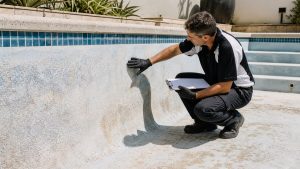
Organic stains respond well to a chlorine shock treatment and a good brush-down. Calcium scale usually needs a gentle acid wash or specialised scale remover along the waterline, followed by careful pH and calcium hardness management. Avoid aggressive scrubbing on Marbelite, as it can dull the finish and expose more porous material to future staining.
Preventing Stains From Coming Back
Prevention is always cheaper than cure. A consistent routine keeps most stains from ever taking hold:
- Test and balance water weekly, keeping pH between 7.2 and 7.6.
- Use a metal sequestrant regularly if your fill water is high in iron or comes from a borehole.
- Brush the walls and floor at least twice a week to stop deposits settling.
- Remove leaves and debris promptly, especially in autumn.
- Keep metal objects out of the pool and inspect fittings for corrosion.
If your surface has become chalky, rough or heavily stained despite good maintenance, the finish itself may be at the end of its life. In those cases resurfacing or upgrading to a more stain-resistant option such as fibreglass pool lining can transform both the look and the ongoing upkeep of your pool.
When to Call in the Professionals
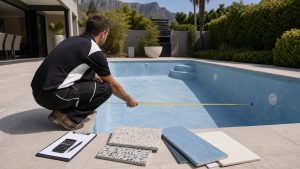
Some stains are simply too deep, too widespread or too risky to tackle with off-the-shelf products, particularly acid washes that can permanently damage plaster if done incorrectly. If you are unsure of the stain type, dealing with rebar rust, or facing a surface that keeps discolouring, professional help saves both time and money. Our team works with Cape Town pools every day and knows exactly how local water conditions affect Marbelite and gunite. Learn more about our services on our homepage or get in touch for tailored advice on restoring your pool to its best. With the right diagnosis and a steady maintenance routine, a pristine, stain-free pool is well within reach.