If you’ve noticed a slimy white or grey tissue-like film clinging to your pool walls, steps or behind the weir, or a stubborn pinkish residue creeping along the waterline, you’re dealing with two common Western Cape pool problems: white water mould and pink slime. Despite the name, neither is technically algae — they are colonies of biofilm and bacteria that thrive in warm, poorly circulated water. Cape Town’s long dry summers and the water-saving habits many of us picked up during the drought years create exactly the conditions these organisms love. Here’s how to get rid of them properly and stop them coming back.
What Are White Water Mould and Pink Slime?
White water mould is a naturally occurring fungus that looks like shredded tissue paper or mucus floating in the water or stuck to surfaces. Pink slime (often Serratia marcescens, a bacterium) shows up as a pink, red or orange slimy layer, usually alongside the mould because they feed on the same organic material. Both are chlorine-resistant once they form a protective biofilm, which is why a normal shock dose often fails to clear them.
Why Western Cape Pools Are Prone to It
- Warm summer water temperatures speed up biofilm growth.
- Pools left dormant or lightly used over winter develop stagnant zones.
- Low chlorine or infrequent testing lets bacteria establish quickly.
- Organic matter — leaves, sunscreen, pollen from Cape fynbos and gardens — feeds the colony.
- Older, porous plaster or marbelite surfaces give biofilm somewhere to anchor.
Step-by-Step: Getting Rid of It
Clearing water mould and pink slime is as much about mechanical scrubbing as it is about chemistry. The biofilm shields the organisms from chlorine, so you have to physically break it up first.
1. Deep Clean the Whole System
Brush every surface thoroughly — walls, floor, steps, and especially the waterline and behind the weir. Remove and hose down the weir basket, and clean the skimmer and any pool toys or floats, which are common hiding spots. Pay attention to shaded corners where circulation is weakest.
2. Balance and Then Shock
Test and correct your pH (aim for around 7.2–7.4) so that chlorine works efficiently. Then shock the pool with a strong dose of chlorine and run the pump continuously for at least 24–48 hours. Brush again several times during this period to keep breaking up any regrowth.
3. Clean or Backwash the Filter
Water mould and slime lodge inside the filter and re-seed the pool the moment you switch the pump back on. Backwash a sand filter thoroughly, or remove and soak cartridge elements. In severe cases a filter sanitiser soak is worth it.
4. Maintain a Chlorine Residual
Keep a steady free-chlorine reading over the following week and keep circulation running longer than usual. If the slime returns within days, repeat the shock and brushing cycle — biofilm can be stubborn.
Preventing It From Coming Back
Consistency is everything. Test your water at least twice a week in summer, keep the filter clean, and run the pump long enough each day to turn the water over fully. Removing organic debris promptly starves the bacteria of the food they need. A regular maintenance routine is far cheaper and easier than repeatedly battling an outbreak. For a broader overview of keeping your pool healthy, our team at Aquatic Pools is happy to advise on the right routine for your setup.
When the Surface Is the Real Problem
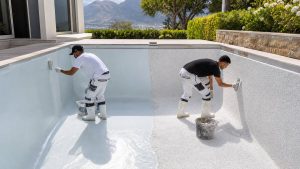
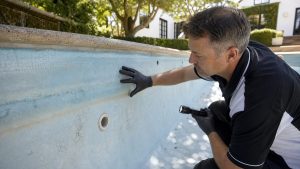
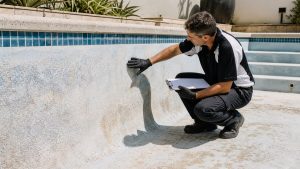
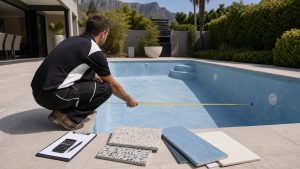
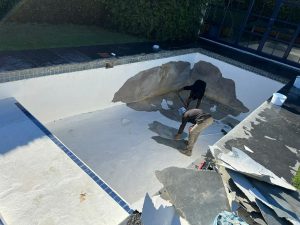
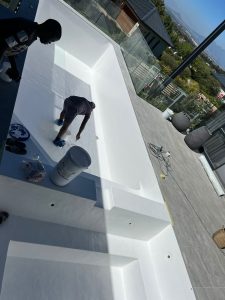
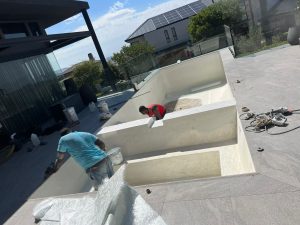
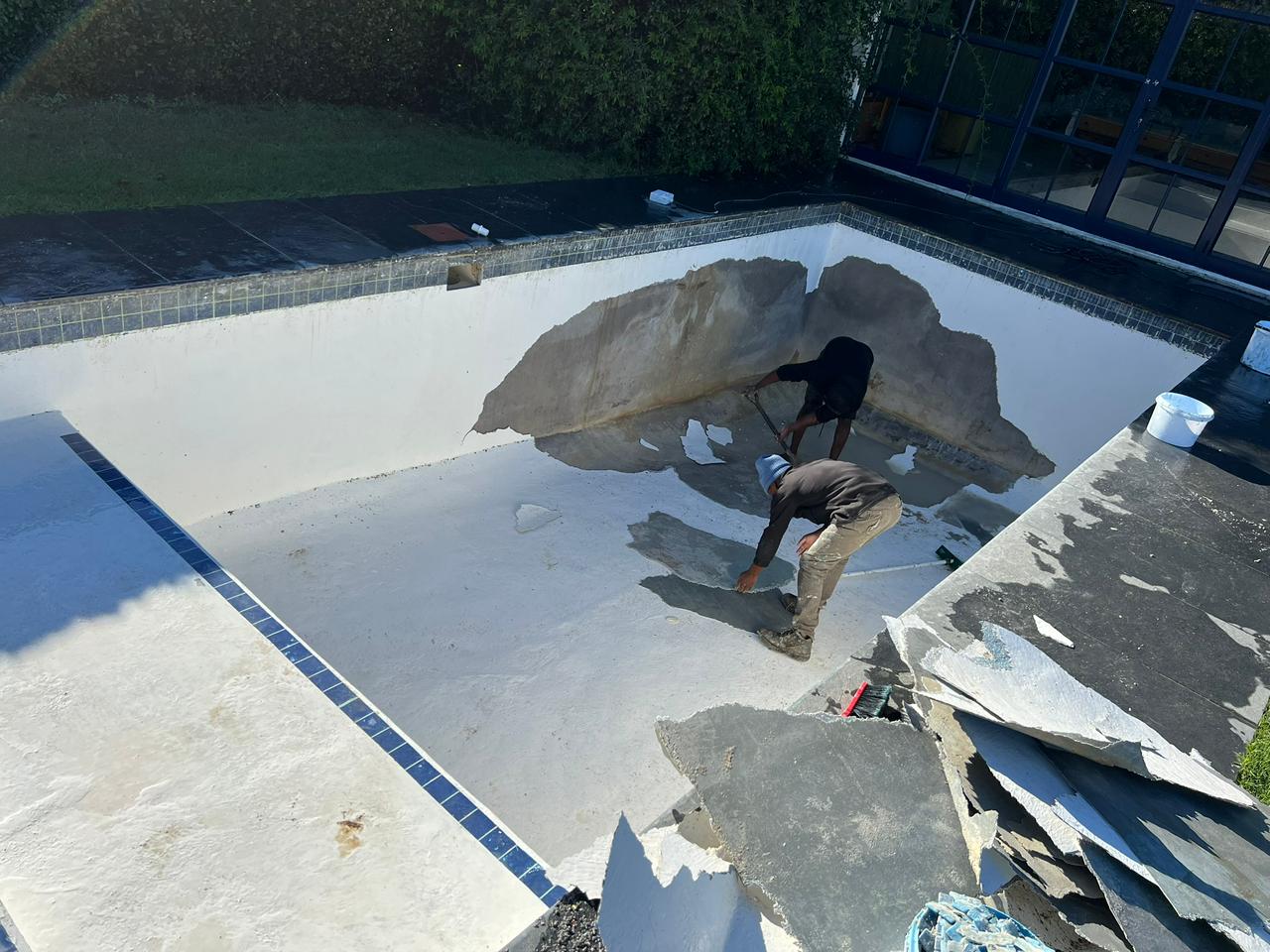
If mould and slime keep returning no matter how diligent you are, the culprit is often the pool surface itself. Old, rough or crazed marbelite and plaster are porous, giving biofilm countless microscopic pockets to anchor in that brushing simply can’t reach. In that case, resurfacing is the lasting fix. A smooth fibreglass pool lining leaves almost no foothold for bacteria and is far easier to keep clean, while a fresh marbelite resurfacing restores a sound, sealed surface. If you’d like an honest assessment of whether your pool needs more than a chemical clean, feel free to get in touch with us for a look.
The Bottom Line
White water mould and pink slime look alarming but are manageable with a methodical approach: brush hard, balance and shock, clean the filter, and hold a steady chlorine residual. Prevent recurrence with consistent testing and circulation — and if your surface is past its best, resurfacing is what finally breaks the cycle for Cape Town and Western Cape pool owners.