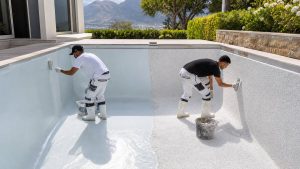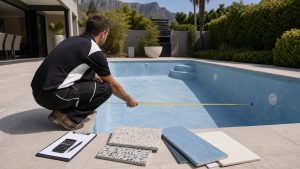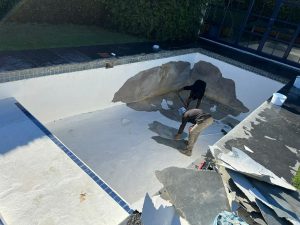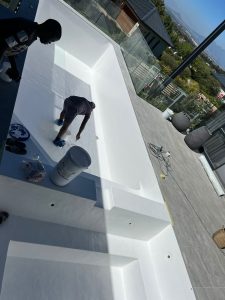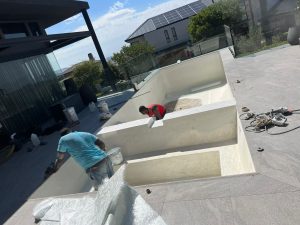
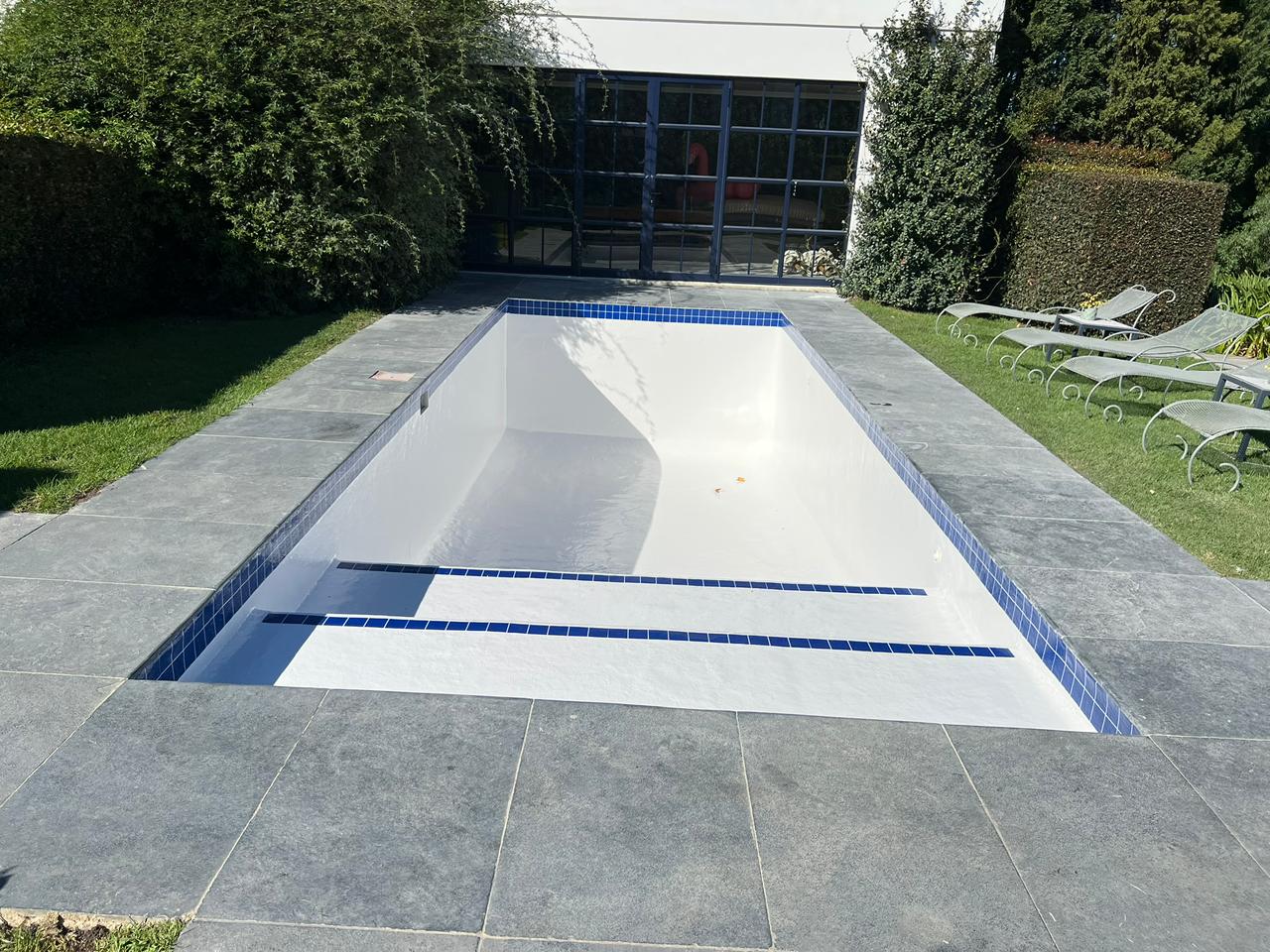
It is one of the most common questions we hear from Cape Town homeowners: how long can you leave a pool empty before something goes wrong? Whether you are draining for a repair, an acid wash, or a full resurfacing, the honest answer is that an empty pool is far riskier than most people realise. The short version? Keep it empty for as little time as possible — ideally only the hours or days needed to do the work, not weeks.
Why an Empty Pool Is a Risk, Not a Rest
A pool that is full of water is a pool in balance. The weight of the water pushes down and outward, holding the shell firmly in place against the ground around it. The moment you drain it, you remove that ballast and expose the structure to forces it was never designed to resist while sitting bone dry.
The biggest danger is something installers call “popping” or “floating”. It sounds dramatic, and it is.
Hydrostatic Pressure and Pool Popping
Beneath and around every pool sits groundwater, and that water exerts upward force known as hydrostatic pressure. Normally the weight of the water in the pool counters it. Drain the pool, and if the ground is saturated, that pressure can literally lift a concrete or fibreglass shell right out of the earth — cracking it, tilting it, and turning a small job into a very expensive one.
This is a particular worry in the Western Cape during our wet winter months. After a good Cape cold front, the water table rises and the soil holds far more moisture, so an empty pool left standing through a rainy week is asking for trouble. In dry summer conditions the risk drops, but it never disappears entirely, especially near the coast or on low-lying erven.
So How Long Is Too Long?
There is no single magic number, but here is a realistic guide for Western Cape conditions:
- A few hours to a day: Generally low risk for most jobs, provided the ground is dry and there is no rain forecast.
- Two to five days: Acceptable for planned repairs or resurfacing, as long as the weather is monitored and a hydrostatic relief valve is functioning.
- A week or more: Only with proper precautions in place — and never during a wet spell without expert oversight.
- Indefinitely: Almost never a good idea. Long-term empty pools invite structural, surface, and safety problems.
If a pool must stay empty for an extended period, it should be done under the guidance of professionals who understand the local ground and weather. That is exactly the kind of thing we plan for on every project at Aquatic Pools.
The Other Damage You Cannot See
Popping grabs the headlines, but a dry shell suffers in quieter ways too. Sunlight is brutal on an empty pool. Marbelite and plaster surfaces that are normally kept cool and hydrated by water can dry out, crack, and craze when baked by the Cape summer sun day after day.
Fibreglass and vinyl are not immune either. Prolonged UV exposure and heat can cause fading, blistering, and brittleness. If you are already noticing tired, chalky, or cracked surfaces, leaving the pool empty will only accelerate the decline — and it may be a sign it is time for marbelite pool resurfacing rather than a simple refill.
Staining, Debris and Pests
An open, empty basin becomes a magnet for leaves, dust, and Cape Town’s famous wind-blown grit. Organic debris left to sit can stain the surface permanently, and standing rainwater in the deep end breeds algae and mosquitoes. An empty pool is also an open hazard for children and pets, so it should always be barriered off and never left unattended.
Doing It the Right Way
Draining a pool is not something to attempt on a whim. Before the water goes anywhere, a few things should be checked and prepared:
- Confirm the hydrostatic relief valve is present and working so groundwater pressure can escape.
- Check the weather forecast and avoid draining ahead of rain.
- Have a clear, scheduled plan so the pool is refilled or refinished as soon as possible.
- Barrier the area off for safety while it stands empty.
If the reason for draining is to fix or upgrade the surface, the smartest approach is to line the whole job up first — so the pool goes from full, to empty, to renewed with minimal downtime. A durable finish like a fibreglass pool lining can be installed efficiently by an experienced team, meaning your shell spends the shortest possible time exposed.
The Bottom Line
You can leave a pool empty for a short, planned window — but every extra day adds risk, and the Western Cape’s wet winters and harsh summers only raise the stakes. If you are thinking about draining your pool for repairs or a refresh, do not leave it to chance. Get in touch with our team and let us plan the job properly, so your pool comes back better than ever without the nasty surprises.