When you renovate a swimming pool in Cape Town or anywhere across the Western Cape, one question comes up almost immediately: what happens to all that water? A standard residential pool can hold tens of thousands of litres, and in a region that has lived through serious drought and municipal water restrictions, simply draining it into the street is both wasteful and, at times, against the rules. This is where pool water storage bladders come in — large, collapsible tanks that let you temporarily hold your existing pool water, keep it treated, and pump it back once the work is done.
What Is a Pool Water Storage Bladder?
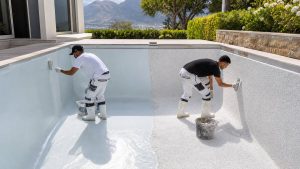
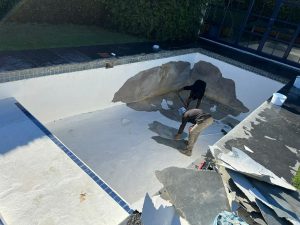
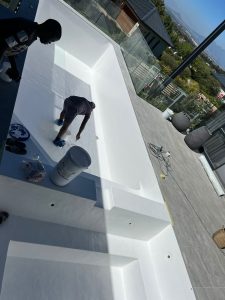
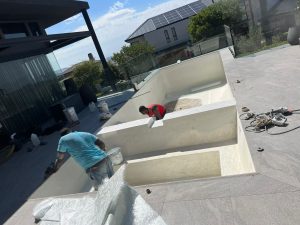
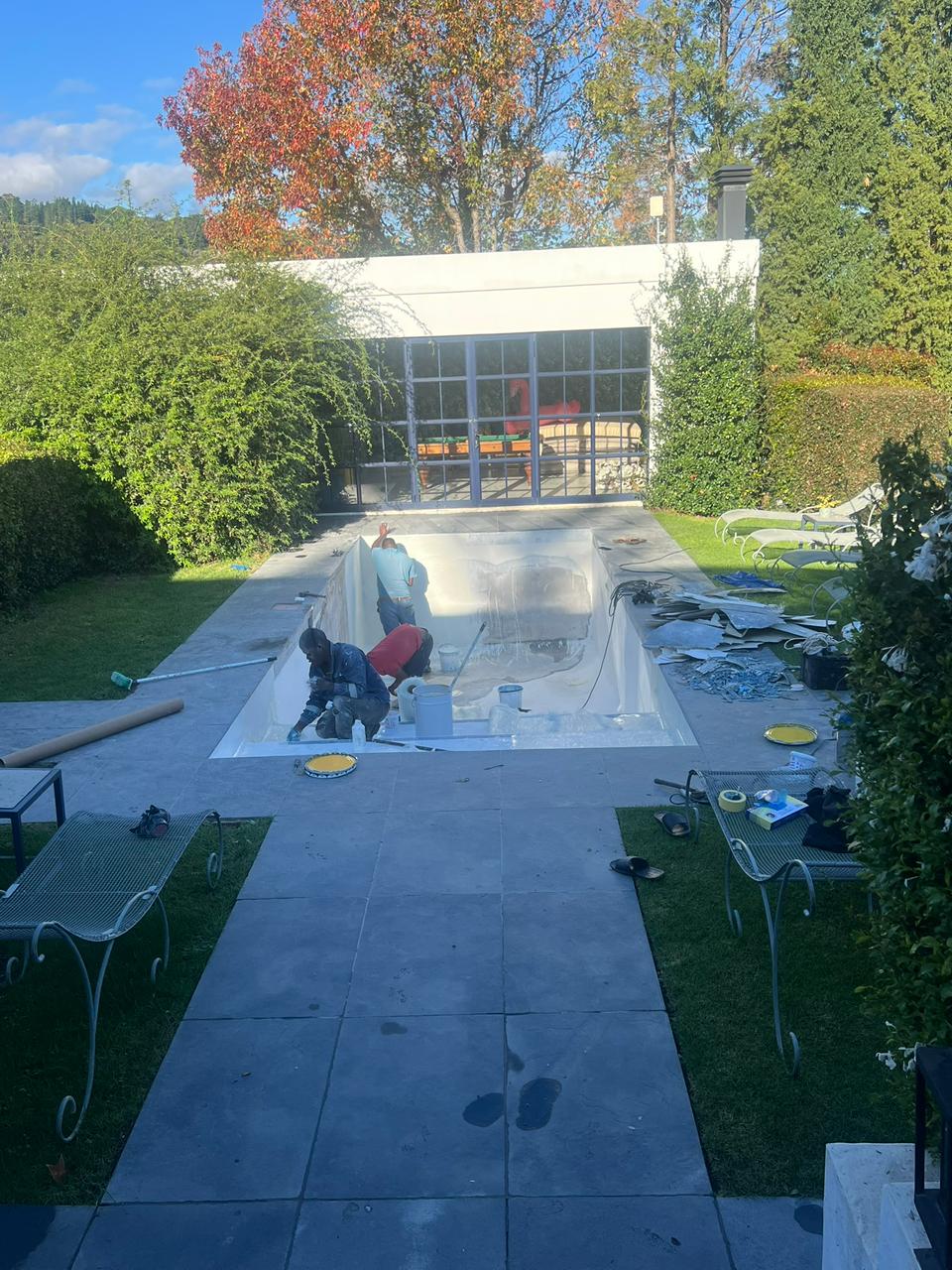
A pool water storage bladder is a heavy-duty, flexible tank designed to hold thousands of litres of water on a temporary basis. Unlike rigid JoJo-style tanks, a bladder folds flat when empty and expands as it fills, so it can be positioned on a driveway, lawn or paved area beside the pool. During a renovation — such as a fibreglass pool relining or a full resurface — the pool must be completely emptied so the surface can be prepared, coated and cured. The bladder becomes a holding vessel for the water you already own.
Why Not Just Drain and Refill?
Refilling a large pool from the municipal supply is expensive, slow, and often restricted. During Cape Town’s tighter water-restriction phases, topping up or filling pools with municipal water has been limited or banned outright. Storing and reusing your existing water sidesteps that problem entirely. The benefits are straightforward:
- You avoid buying tens of thousands of litres of fresh municipal water.
- You stay compliant with Western Cape water-use restrictions.
- Balanced, treated water goes straight back in, saving days of re-chemistry.
- You reduce pressure on stormwater drains and avoid soil erosion from mass draining.
Keeping the Stored Water Treated
Water sitting in a bladder for several days still needs looking after. Stagnant water warms up, loses chlorine and can grow algae — which defeats the point of saving it. Before the water is transferred, and periodically while it is stored, it should be dosed and circulated so it stays clear and sanitised.
A few practical habits make all the difference:
- Test and correct chlorine and pH before the water goes into the bladder.
- Keep the bladder covered or shaded to limit UV loss and heat build-up.
- Add a stabilised chlorine top-up if the renovation runs longer than expected.
- Circulate or agitate the water where possible to prevent stratification.
Because the water is being actively managed for treatment rather than just parked, you get it back in swim-ready condition — a real advantage when you want to enjoy the pool as soon as the new surface has cured.
Matching the Bladder to Your Renovation
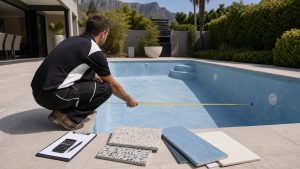
The right bladder size depends on your pool’s volume. A compact plunge pool may need only a single unit, while a large family pool could require multiple bladders or a staged approach. The type of renovation matters too. A Marbelite resurfacing project and a fibreglass relining both require a fully dry, empty shell for the new surface to bond and cure correctly, so accurate volume planning ensures none of your water is lost to overflow or shortage.
Positioning and Safety on Site
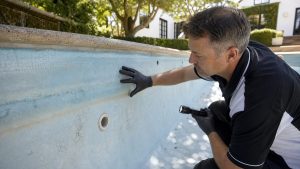
Bladders are heavy once full — several tonnes of water — so they need a flat, stable, obstacle-free surface. On sloped Western Cape properties this can take some planning. A reputable renovation team will assess access, hose routing and pump placement before draining a single litre, so the process is smooth and nothing gets damaged.
Is It Worth It in the Western Cape?
For most Cape Town and Western Cape homeowners, the answer is yes. Between the cost of municipal water, ongoing restriction rules, and the time it takes to rebalance a freshly filled pool, reusing your treated water through a storage bladder is usually the smarter, greener choice. It fits the region’s water-conscious mindset and keeps your renovation moving without unnecessary waste.
If you are planning a resurface or reline and want to save your existing pool water, the team at Aquatic Pools can advise on bladder storage as part of the project. Get in touch through our online quote request for a site assessment tailored to your pool and property.