One of the first questions every pool owner in Cape Town asks is a simple one: how much is this going to cost? The honest answer is that pool service pricing depends on several moving parts, from the size and age of your pool to the type of work involved. Understanding these factors helps you budget realistically and avoid surprises when you request a quote. Below we break down what actually drives the cost of pool service so you can make an informed decision.
What Counts as Pool Service?
The phrase “pool service” covers a wide spectrum of work, and each category carries a very different price tag. At the lighter end you have routine maintenance, and at the heavier end you have full structural renovation. Knowing which bracket your needs fall into is the starting point for any accurate estimate.
- Routine maintenance – weekly or fortnightly cleaning, water balancing and equipment checks.
- Repairs – fixing pumps, filters, leaks, cracks or failing tiles.
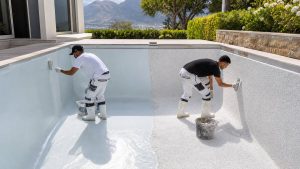
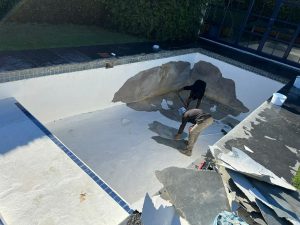
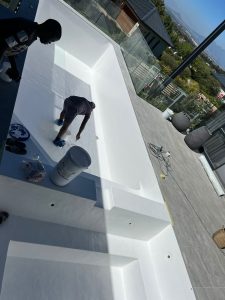
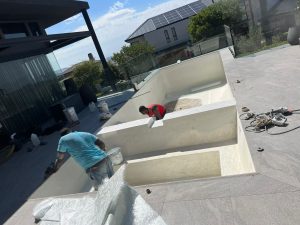
- Resurfacing – renewing the internal finish such as marbelite or fibreglass.
- Full renovation – combining structural repair, relining and equipment upgrades.
Key Factors That Influence Cost
No two pools are identical, which is why a fixed price list rarely tells the whole story. When a reputable Cape Town team assesses your pool, several variables shape the final figure.
Pool Size and Shape
Larger pools require more materials, more labour and more chemicals, so surface area is one of the biggest cost drivers. Complex shapes with steps, benches or spa sections add detail work that a simple rectangular pool does not.
Condition and Age
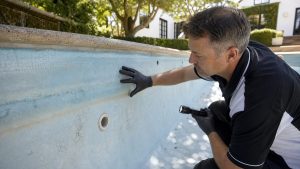
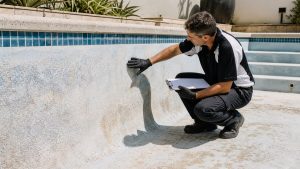
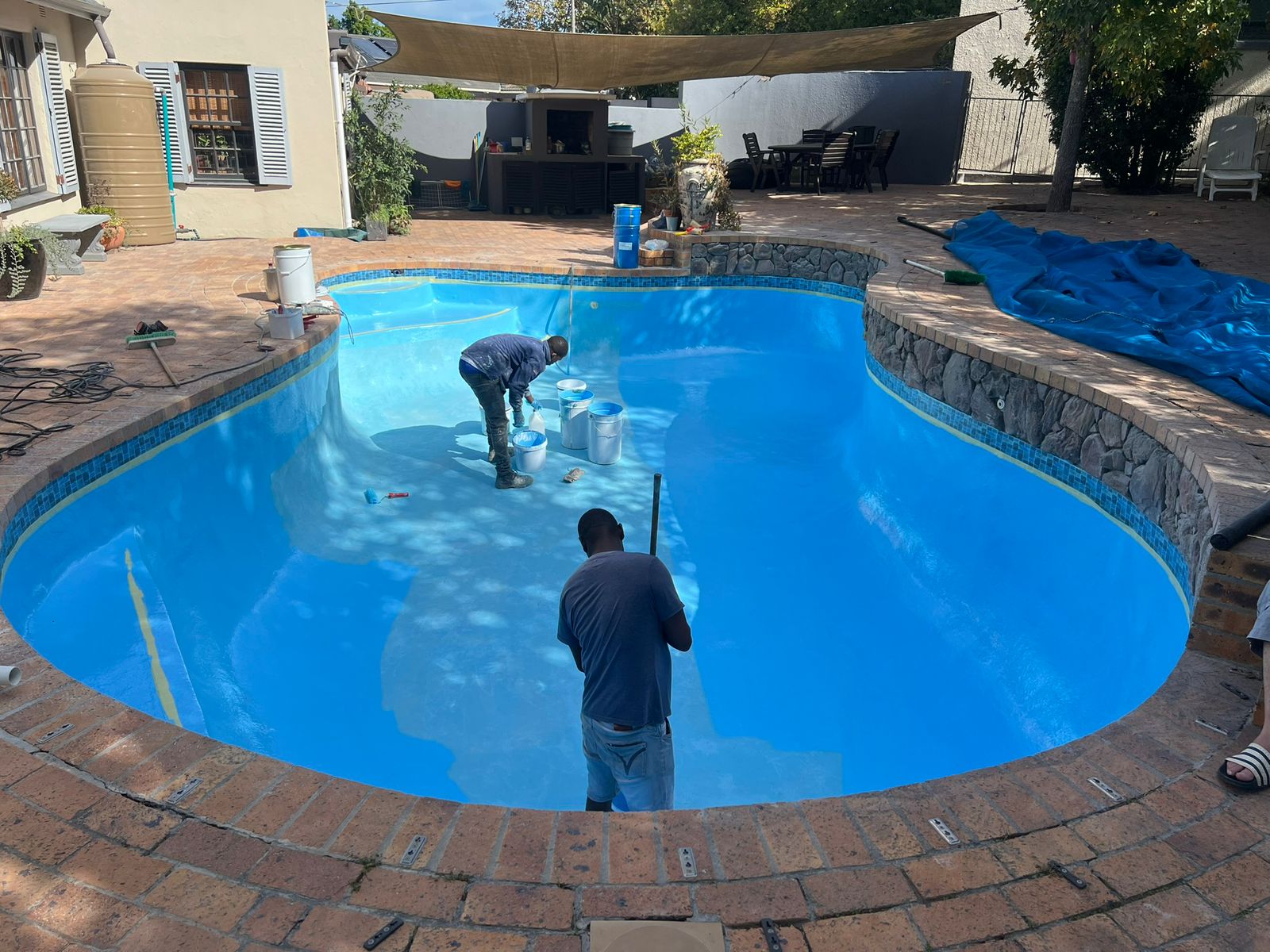
An older pool with a tired finish, hairline cracks or a leaking shell needs more preparation before any new surface can be applied. The more remedial work involved, the higher the cost. Catching problems early through regular professional pool care often keeps long-term spending down.
Type of Finish
The surface you choose has a direct impact on both upfront cost and lifespan. A fibreglass pool lining is prized for its smooth, durable and low-maintenance finish, while marbelite resurfacing offers a classic look at a different price point. Each has trade-offs in longevity and ongoing upkeep worth weighing up.
Access and Location
Pools that are difficult to reach – tucked behind narrow side passages or up steep slopes – take longer to service and may need specialised equipment. Access challenges can nudge the price higher because of the extra time and effort required.
Why Cheapest Is Rarely Best
It is tempting to choose the lowest quote, but pool work is one area where cutting corners tends to cost more over time. Poor surface preparation, thin coatings or the wrong products can lead to premature failure, meaning you pay twice. A quality job done properly protects the value of your pool and reduces future repair bills.
Getting Value for Money
Value is about more than the headline number. Consider the durability of the finish, the guarantee offered and the experience of the team carrying out the work. A slightly higher investment in a proven finish often works out cheaper per year of service life.
How to Get an Accurate Quote
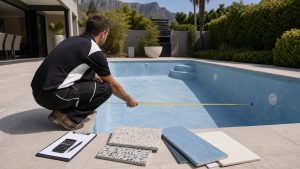
Because so much depends on the specifics of your pool, the only reliable way to know your cost is a proper on-site assessment. A good contractor will inspect the shell, measure the surface, review the equipment and discuss your goals before quoting. This avoids vague estimates that balloon halfway through the job.
If you are planning maintenance, a repair or a full makeover, the smartest first step is a conversation with a specialist who works on Cape Town pools every day. Get in touch for a tailored assessment and a clear, honest breakdown of what your project involves – so you can budget with confidence and enjoy your pool for years to come.