If you want the clearest, most sparkling water your Cape Town pool can produce, chances are someone has mentioned a DE filter to you. Diatomaceous earth (DE) filters are the fine-filtration champions of the pool world, trapping particles far smaller than sand or cartridge systems can catch. But they also come with a bit more maintenance and a few quirks worth understanding before you commit. Here is a plain-English guide to how DE filters work, where they shine, where they frustrate, and how to decide if one belongs at your poolside.
What Is a DE Filter and How Does It Work?
Diatomaceous earth is a soft, powdery sedimentary rock made from the fossilised remains of tiny aquatic organisms called diatoms. Under a microscope it looks like a maze of microscopic holes, which is exactly what makes it such a brilliant filter medium.
Inside a DE filter, a set of internal grids or fingers is coated with this powder. As your pump pushes water through the tank, the DE-coated grids strain out debris, algae, and particles as small as two to five microns – finer than the human eye can see. The clean water then returns to the pool, while the dirt stays trapped in the powder.
When the filter gets dirty, you backwash it to flush out the spent DE and debris, then add a fresh charge of powder through the skimmer. It is a hands-on system, but the payoff is water clarity that sand and cartridge filters struggle to match.
The Pros and Cons of DE Filters
The Advantages
- Superior filtration: DE catches the finest particles, giving you noticeably crisper, clearer water.
- Great for problem water: If you battle fine dust, pollen, or lingering cloudiness after an algae bloom, DE filtration clears it fast.
- Efficient water polishing: Many pool owners love how a DE system “finishes” the water to an almost glassy look.
- Works well with existing surfaces: Whether you have a plastered, marbelite, or fibreglass pool, clean water helps protect and show off the finish.
The Drawbacks
- More maintenance: You must recharge the DE powder after every backwash, unlike a set-and-forget sand filter.
- Water use: Backwashing uses water, which matters during Cape Town’s drier months and water-restriction periods.
- Handling the powder: DE is a fine dust and should be handled carefully and disposed of responsibly.
- Higher upkeep cost over time: Ongoing powder purchases add to running costs compared with cartridge or sand.
Best Options for Cape Town Pools
DE filters generally come in two forms. Traditional grid-style DE tanks offer the highest filtration performance and are ideal if crystal-clear water is your top priority. Regenerative or “bump” style DE filters let you redistribute the powder without a full backwash each time, saving water – a meaningful advantage in our water-conscious region.
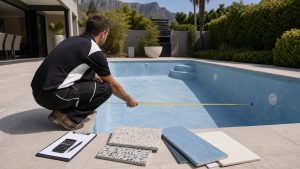
Sizing matters too. An undersized filter will clog quickly and demand constant attention, while a well-matched unit runs longer between cleans. Because the right choice depends on your pool volume, pump, and how you use the pool, it is worth getting advice tailored to your setup rather than guessing. If you are unsure, our team is happy to help you weigh the options – just get in touch.
Does the Filter Suit Your Pool Surface?
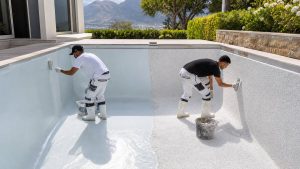
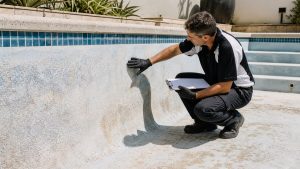
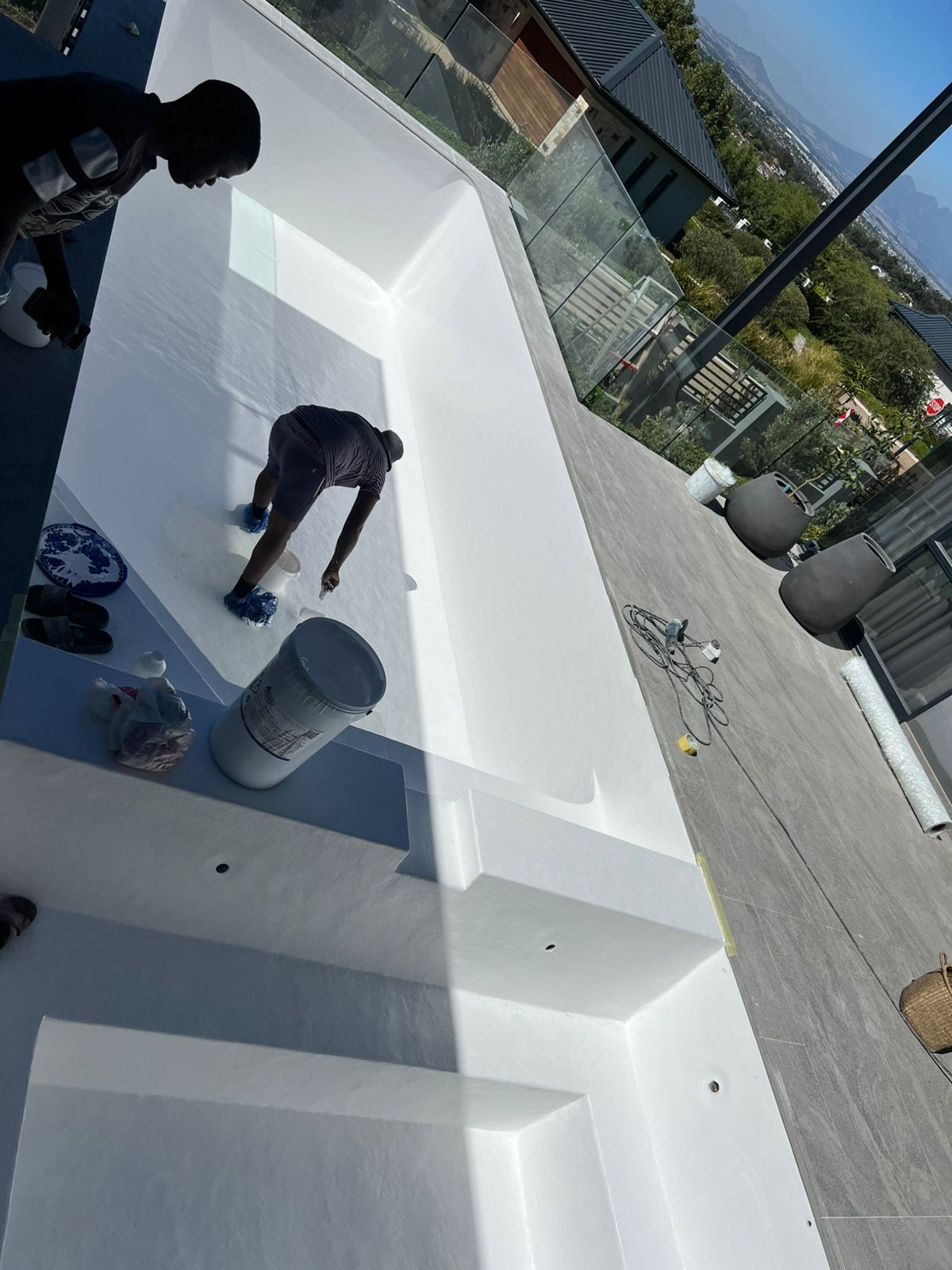
Filtration and surface condition go hand in hand. A pristine filter cannot hide a tired, stained interior, and a beautiful new lining deserves water that shows it off. If your pool’s shell is rough, chalky, or leaking, upgrading the surface can transform the whole swimming experience. Many Cape Town homeowners pair a filtration review with fibreglass pool lining for a smooth, low-maintenance finish, or opt for marbelite pool resurfacing to restore that classic plaster look.
Your DE Filter Questions Answered
How often should I backwash a DE filter?
As a rule of thumb, backwash when the pressure gauge rises about 20 to 30 kPa above its clean starting reading. Recharge with fresh DE afterwards every time.
Is DE safe to use at home?
Pool-grade DE is fine for domestic use, but avoid breathing in the dust. Wear a mask when adding powder and pour it slowly and close to the water.
Can I switch my sand filter to DE?
Sometimes, but not always – it depends on your existing plumbing and pump. A professional assessment is the safest way to find out what will work for your pool.
Which filter is best for water-restricted areas?
If saving water is a priority, a regenerative DE filter or a cartridge system may suit you better than a traditional backwashing setup.
Ready for Clearer Water?
A DE filter can deliver truly beautiful, sparkling water, but it rewards owners who do not mind a little extra care. If you would like help choosing, sizing, or maintaining the right filtration – or pairing it with a fresh pool surface – explore Aquatic Pools and let us point you toward the setup that fits your home, your pool, and our unique Cape Town conditions.