A pool filter is the quiet workhorse of your backyard. When it runs well, you barely think about it. When it starts to fail, though, the whole pool suffers — and Cape Town’s mix of summer south-easters, fine dust, and heavy pollen puts local filters under real strain. Knowing the warning signs of a failing filter helps you act before a small problem becomes green, cloudy water or an expensive pump repair. This guide walks through the signals every homeowner should watch for and how long the main filter types actually last.
Why Your Pool Filter Eventually Wears Out
No filter lasts forever. The internal media — whether sand, a pleated cartridge, or diatomaceous earth (DE) grids — slowly degrades as it traps debris, oils, and organic matter season after season. Backwashing, chemical exposure, and simple age all take a toll. A tired filter can no longer strain out the fine particles that keep water crystal clear, and that is when you start chasing chemistry that never quite balances.
The Warning Signs to Watch For
Most filter failures announce themselves gradually. Catching them early saves water, chemicals, and stress on your pump. Here are the signals that most often point to a filter nearing the end of its life:
- Persistently cloudy or hazy water that stays dull even after you balance the chemistry and run the pump for a full cycle.
- Pressure gauge problems — a reading that climbs far above normal and won’t drop after backwashing, or a gauge that barely moves at all.
- Sand or grit blowing back into the pool, which usually means cracked laterals or a broken standpipe inside a sand filter.
- Torn or worn cartridge pleats that no longer spring back when cleaned, or that stay grey and matted no matter how you rinse them.
- Short filter cycles where you find yourself backwashing or cleaning far more often than you used to.
- Water leaking from the filter housing or a multiport valve that pushes debris back through the return jets.
Cloudy Water That Won’t Clear
If your chlorine and pH are correct but the water still looks like weak tea or milk, the filter is almost certainly letting fine particles slip through. Damaged media simply can’t trap what it once did. This is one of the most common reasons homeowners across the Cape call in a professional.
Pressure Gauge Clues
Your filter’s pressure gauge is an honest early-warning system. High pressure that survives a backwash signals a clogged or channelled bed, while unusually low pressure can mean cracked internals or a worn media bed that water is bypassing. Either way, the filter is no longer doing its job efficiently.
Cracked Laterals and Internal Damage
Inside a sand filter, thin plastic fingers called laterals distribute water through the bed. Over years of pressure cycling they can crack, allowing sand to escape into the pool. Once laterals go, patching rarely helps — the whole filter usually needs replacing.
Sand vs Cartridge vs DE: How Long Each Lasts
Lifespan depends on the media type, water chemistry, and how hard your pool works through Cape Town’s long swimming season. As a practical rule of thumb:
- Sand filters — the sand media typically needs changing every five to seven years, while the tank itself can last much longer if well maintained.
- Cartridge filters — individual cartridges usually last a couple of seasons before the pleats break down, though the housing carries on far longer.
- DE filters — the powder is replenished regularly, but the grids inside eventually tear or clog and need replacing to keep filtration fine.
Sand is low-maintenance and forgiving, cartridges filter finer particles but need hands-on cleaning, and DE offers the sharpest clarity while asking the most attention. Whichever you run, worn internals are the real signal that replacement — not just cleaning — is due.
Filter Health and the Rest of Your Pool
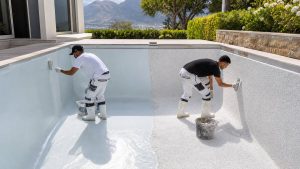
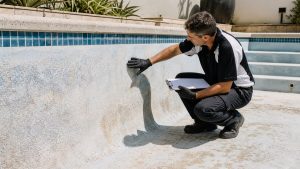
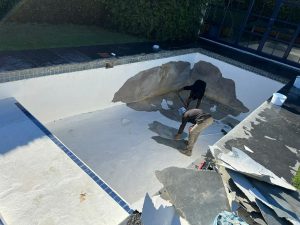
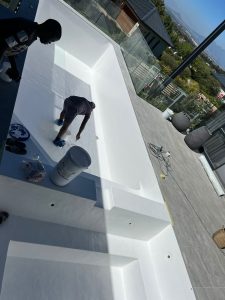
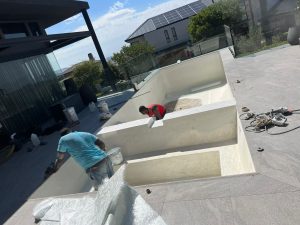
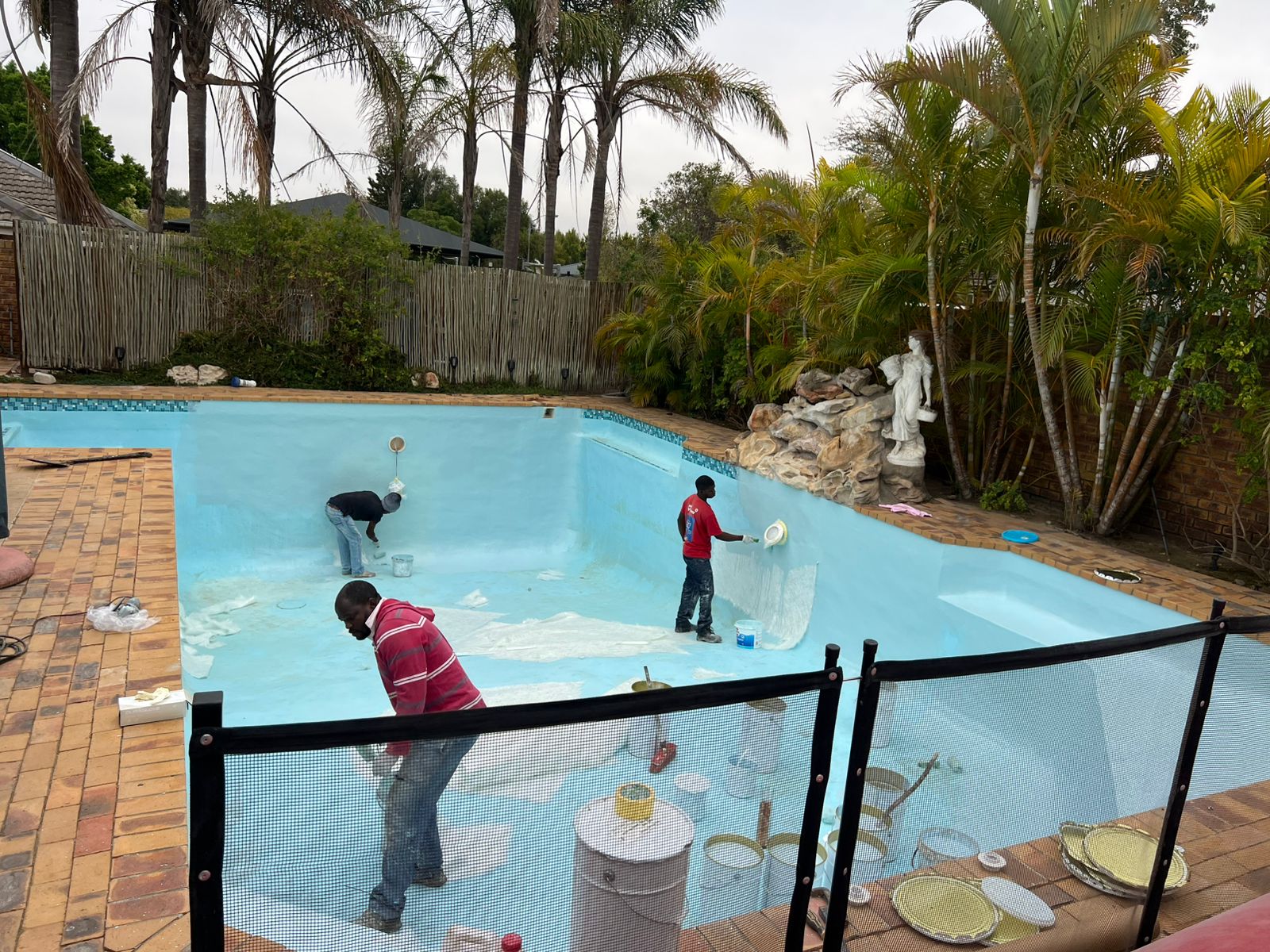
A struggling filter often masks bigger issues. Constant cloudiness or staining can also point to a tired pool surface, so it is worth checking whether your shell needs attention at the same time. If your pool interior is showing its age, a marbelite pool resurfacing refresh can transform both the look and the ease of keeping the water clean. A durable fibreglass pool lining does the same. Healthy surfaces and a healthy filter work hand in hand.
When to Call In the Professionals
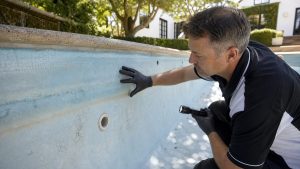
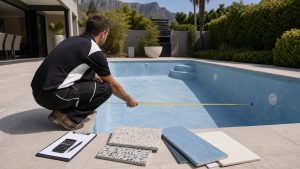
If you have balanced the chemistry, cleaned or backwashed the filter, and the water still won’t clear — or you are finding sand in the pool, seeing stubborn pressure readings, or spotting torn cartridges — it is time for an expert assessment. A specialist can confirm whether a clean will do or a full replacement is the smarter long-term choice.
The team at Aquatic Pools works with Cape Town homeowners every day to keep pools clear, safe, and swim-ready. If your filter is showing any of the warning signs above, get in touch for practical, honest advice tailored to your setup.