A pool pump that runs dry is a pool pump that dies. Here in Cape Town, where load-shedding trips your pool timer and long dry summers push evaporation hard, knowing how to prime a pool pump is one of the most useful skills a pool owner can have. Priming simply means filling the pump housing and suction line with water so the impeller has something to grab — run a pump full of air and you cook the mechanical seal in minutes. This guide walks you through it the way a professional would, step by step.
Why Priming Matters (Especially in Cape Town)
Your pool pump is not designed to move air — it moves water. When the housing is full of air after the pump has been switched off, drained down, or opened for cleaning, the impeller spins uselessly and generates heat instead of flow. On the Cape’s hot, windy days that heat builds fast, warping the diffuser and burning out the shaft seal. Regular load-shedding makes this worse: every power cut can let water drain back down the suction line, so your pump often needs re-priming when the electricity returns.
Signs your pump has lost prime include a pump basket that stays empty, no water returning to the pool, a screeching or grinding motor, and lots of air bubbles at the return jets. Catch it early and you save yourself an expensive repair.
Before You Start: A Quick Checklist
- Switch the pump off at the isolator — never work on a live pump.
- Check your water level. It should sit at least halfway up the skimmer mouth; a low pool from Cape Town’s summer evaporation is a common reason priming fails — keep an eye on water levels.
- Have a bucket or hose of clean water ready to fill the pump housing.
- Inspect the pump lid O-ring for cracks or dryness — smear it with a little silicone lubricant so it seals airtight.
- Open the air-relief valve on the filter if your system has one.
How to Prime a Pool Pump: Step by Step
1. Set the Valves
Turn your multiport or suction valves so the pump is drawing from the main drain and skimmer. If you have a variable-speed or single-speed pump, make sure any manual bypass valves are open so water can reach the housing.
2. Fill the Pump Housing
Remove the clear pump lid and pour water directly into the pump basket until it is brimming. Keep filling until you see water sitting in the suction port — this displaces the air and gives the impeller something to move the moment it starts. On a longer suction run you may need several litres.
3. Reseat the Lid Firmly
Refit the O-ring and hand-tighten the lid. It must be airtight; even a small gap will let the pump suck air instead of water and the prime will never hold. Do not use tools that can crack the housing.
4. Switch On and Watch
Power the pump back on and watch the clear lid. Within 30 to 60 seconds you should see the basket fill and water begin to churn through. If it hasn’t primed after about two minutes, switch off to avoid overheating, refill the housing and try again.
5. Bleed the Air
Once water is flowing steadily, open the filter’s air-relief valve until a solid stream of water — not air — escapes, then close it. Your system is now primed and circulating.
When Priming Keeps Failing
If your pump refuses to hold prime no matter how carefully you fill it, the problem is almost always an air leak on the suction side. Common Cape Town culprits are a perished lid O-ring, a loose drain plug, cracked PVC from years of UV exposure, or a leaking valve.
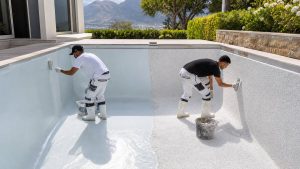
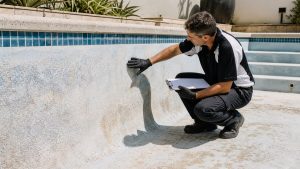
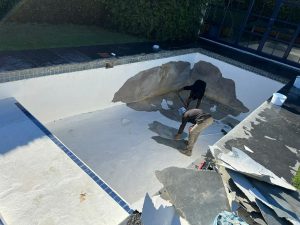
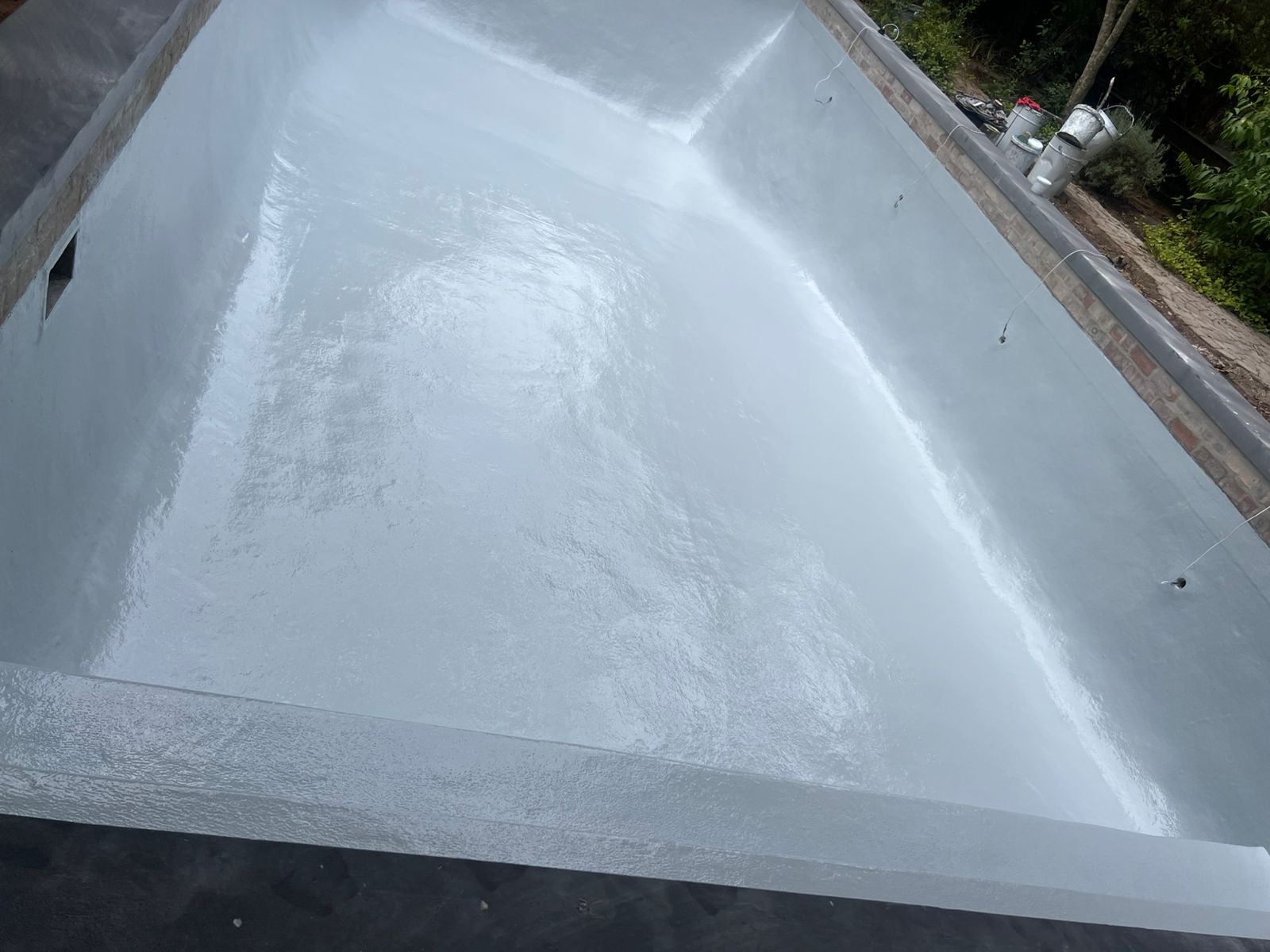
A hairline crack in an old marbelite pool shell can also lower the water level enough to starve the skimmer — if your pool is losing water, our marbelite pool resurfacing service in Cape Town can seal it properly. Older pools switching to a tougher surface often benefit from a fibreglass pool lining, which resists cracking and keeps your water where it belongs.
Keeping Your Pump Healthy
Prime problems are usually a symptom, not the disease. Keep your water topped up, empty the pump and skimmer baskets weekly, replace tired O-rings before they fail, and have your circulation checked once a season. A well-maintained pump primes in seconds and lasts for years.
For more pool care advice, browse the Aquatic Pools resources, and if you’d rather leave it to the experts, get in touch with our Cape Town team for a hand.
Priming a pool pump is a five-minute job once you know the sequence: fill the housing, seal it airtight, switch on and bleed the air. Master it and load-shedding will never leave you with a green pool again.