A fiberglass shell can last for decades, but no pool surface stays flawless forever. Sun, chemicals and ground movement eventually take their toll, and one day you notice a chalky feel underfoot, hairline cracks or a stubborn drop in the water level. Fiberglass pool relining is the process of applying a fresh, watertight layer over your existing pool so it looks and performs like new again, without the upheaval of a full rebuild. Below we walk through how relining works, the signs that your pool is due for it, and how it compares to other resurfacing options.
What Is Fiberglass Pool Relining?
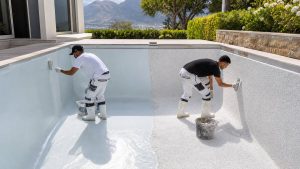
Relining means bonding a new fiberglass and gel-coat layer to the inside of your pool. The old surface is prepared, repaired and then coated with layers of resin, matting and a final protective finish. The result is a seamless, non-porous shell that keeps water where it belongs and gives the interior a bright, smooth appearance. Because the work builds on the existing structure, relining is far less disruptive than excavating and replacing the whole pool.
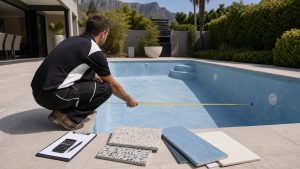
The approach suits fiberglass pools that are structurally sound but tired on the surface. If you are weighing up your options, our team can inspect the shell and advise whether relining or a different treatment is the better fit for your pool.
Signs Your Pool Needs Relining
Pool surfaces rarely fail overnight. Instead they show a gradual set of warning signs that are easy to miss until a small problem becomes an expensive one. Keep an eye out for the following:
- Persistent water loss that cannot be explained by evaporation or splashing.
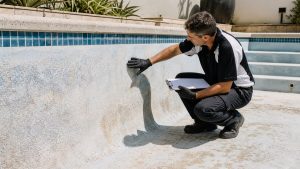
- Rough or chalky patches that feel abrasive against skin and swimwear.
- Spider cracks, blisters or bubbling in the gel-coat surface.
- Faded, stained or discoloured areas that no longer respond to cleaning.
- Recurring algae in the same spots, often a sign the surface has become porous.
Any one of these on its own may be minor, but several together usually mean the protective layer has worn thin. Acting early keeps the repair contained to the surface rather than allowing water to reach the structure behind it.
The Relining Process Step by Step
While every pool is different, a professional reline generally follows a clear sequence so nothing is rushed and the finish lasts.
Inspection and Preparation
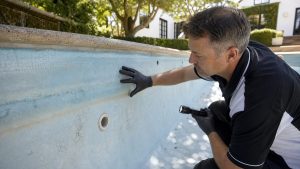
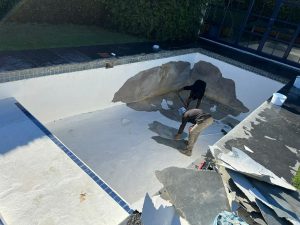
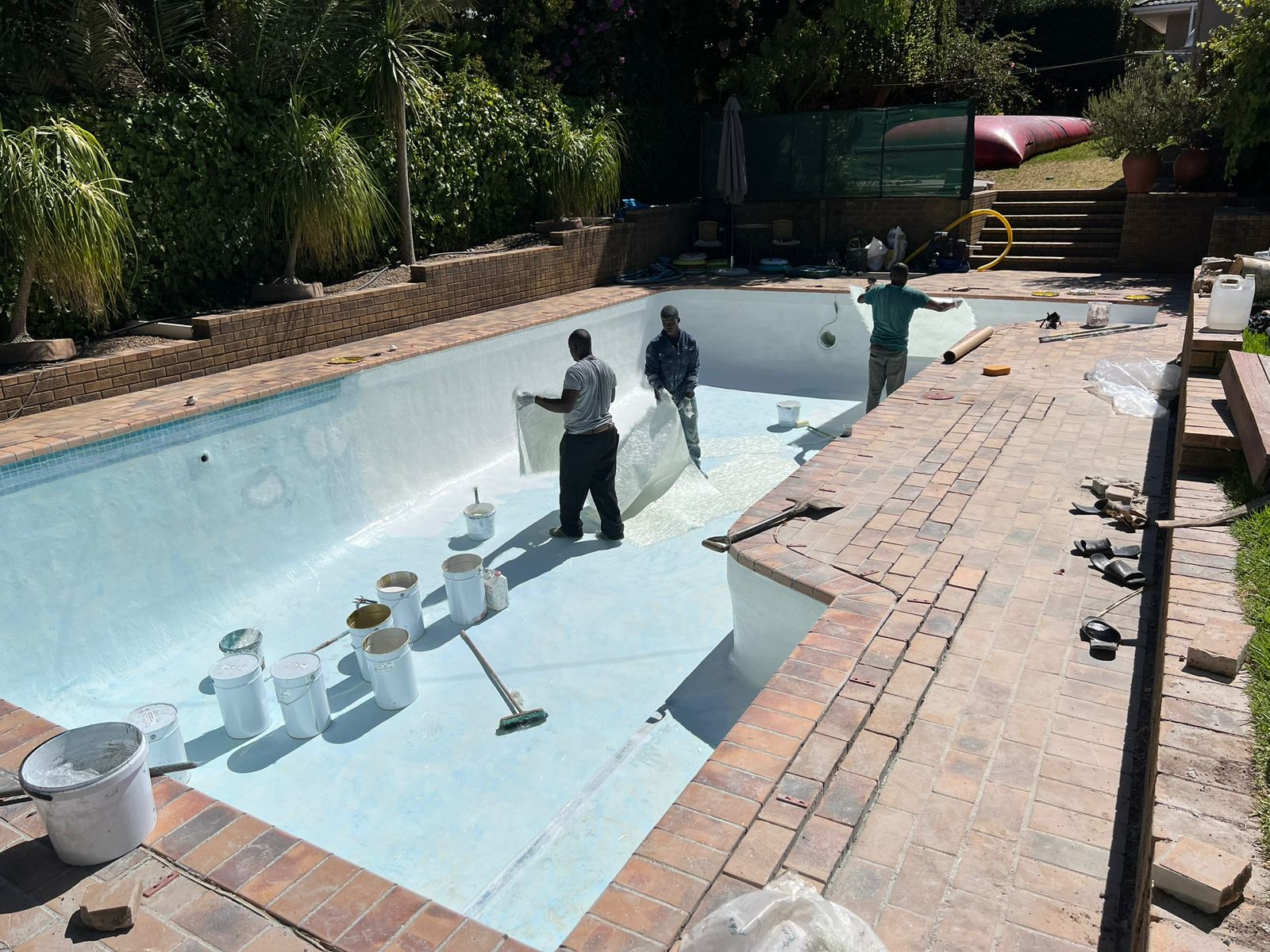
The pool is drained and the existing surface is thoroughly cleaned and assessed. Any cracks, hollow spots or damaged sections are ground back and repaired first, because a strong new layer needs a stable base to bond to.
Applying the New Layers
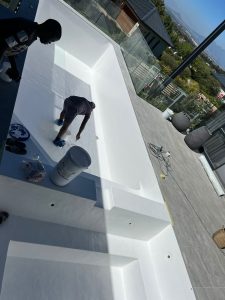
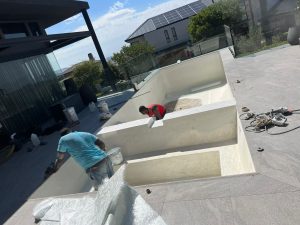
Fresh resin and reinforcing matting are laid over the prepared surface and worked out to remove air pockets. This is the stage that rebuilds strength and creates the watertight barrier your pool relies on.
Gel-Coat Finish and Curing
A final gel-coat provides the colour and the smooth, easy-clean surface you see and feel. The pool is then left to cure fully before it is refilled and balanced, ensuring the new lining sets hard and adheres properly.
Relining Versus Other Resurfacing Options
Fiberglass relining is one of several ways to renew a pool, and the right choice depends on how your pool was originally built. For a purpose-built fiberglass shell, a fresh fiberglass layer is usually the most natural match in both look and performance. You can read more about that approach on our fibreglass pool lining page.
If your pool is a plastered or marble-plaster type, a different finish may suit it better. Our marbelite pool resurfacing service is designed for those surfaces and delivers a hard-wearing, attractive result. The best way to decide is to have the pool assessed in person, since the existing construction largely dictates which finish will bond well and last.
How Long Does a Reline Last?
A properly applied fiberglass reline can serve you well for many years when it is looked after. Balanced water chemistry, gentle cleaning and prompt attention to any small chips all extend the life of the finish. Avoiding harsh scrubbing and keeping sanitiser levels within recommended ranges will help the gel-coat stay smooth and vibrant for longer.
Getting Started With Aquatic Pools
Relining is an investment in the pool you already own, restoring its looks and integrity so you can enjoy it for years to come rather than replacing it outright. If your pool is showing its age, the sensible first step is a proper inspection so you know exactly what it needs.
Explore our full range of services on the Aquatic Pools website, and when you are ready to talk through your pool, get in touch with our team for advice tailored to your situation. A tired pool does not have to mean a costly rebuild, and the right reline can bring it back to life.