Why Fibreglass Pool Lining Makes Sense in Pringle Bay
Tucked at the foot of Hangklip on the edge of False Bay, Pringle Bay is one of the Overberg’s most beautiful coastal villages. It is also one of the toughest environments in the Western Cape to own a swimming pool. The prevailing South Easter, the constant salt-laden air off the sea, and the fine wind-blown sand all work against a pool surface year after year. If your pool has started chalking, staining or developing hairline cracks, a fibreglass reline is usually the smartest long-term fix. At Aquatic Pools we help homeowners along this stretch of coast protect their pools from exactly these conditions.
Fibreglass vs Marbelite: What Coastal Pools Really Need
Most older pools in Pringle Bay were finished in marbelite, a traditional plaster made from white cement and marble dust. Marbelite has a classic look and a lower upfront cost, but it is porous. In a salt-air setting that porosity is a problem: the surface etches, stains and grows algae more easily, and it typically needs replacing every 8 to 15 years.
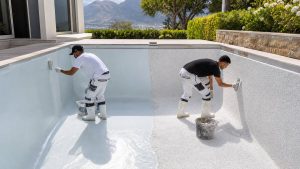
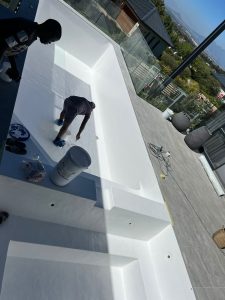
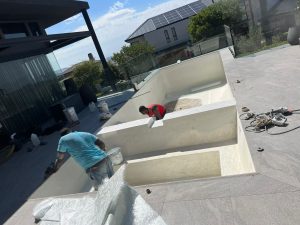
Fibreglass lining works differently. Layers of fibreglass matting are saturated with resin over the existing shell, then sealed with a smooth gelcoat finish. The result is a seamless, non-porous barrier that simply copes better with a harsh coastal setting. Here is why so many local owners make the switch to fibreglass pool lining:
- Longevity: a quality fibreglass lining can last 20 years or more with proper care.
- Crack resistance: unlike plaster, it flexes rather than chipping when ground and weather conditions shift.
- Less algae: the non-porous surface gives algae and bacteria little to cling to, so you scrub less and spend less on chemicals.
- Faster turnaround: most relines are completed in under a week, far quicker than a full rebuild.
- Smooth finish: comfortable underfoot and easy to keep clean between visits, which matters for the many Pringle Bay holiday homes that stand empty for weeks.
Still Prefer a Plaster Finish?
Not everyone wants to move away from the traditional look, and that is fine. If you would rather keep a classic plaster surface, we also offer marbelite resurfacing. We are happy to walk you through both options honestly so you can weigh up upfront cost against long-term maintenance for your specific pool.
The Fibreglass Relining Process
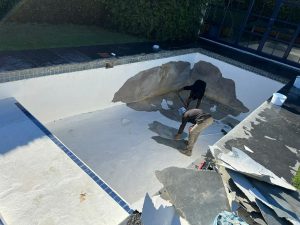
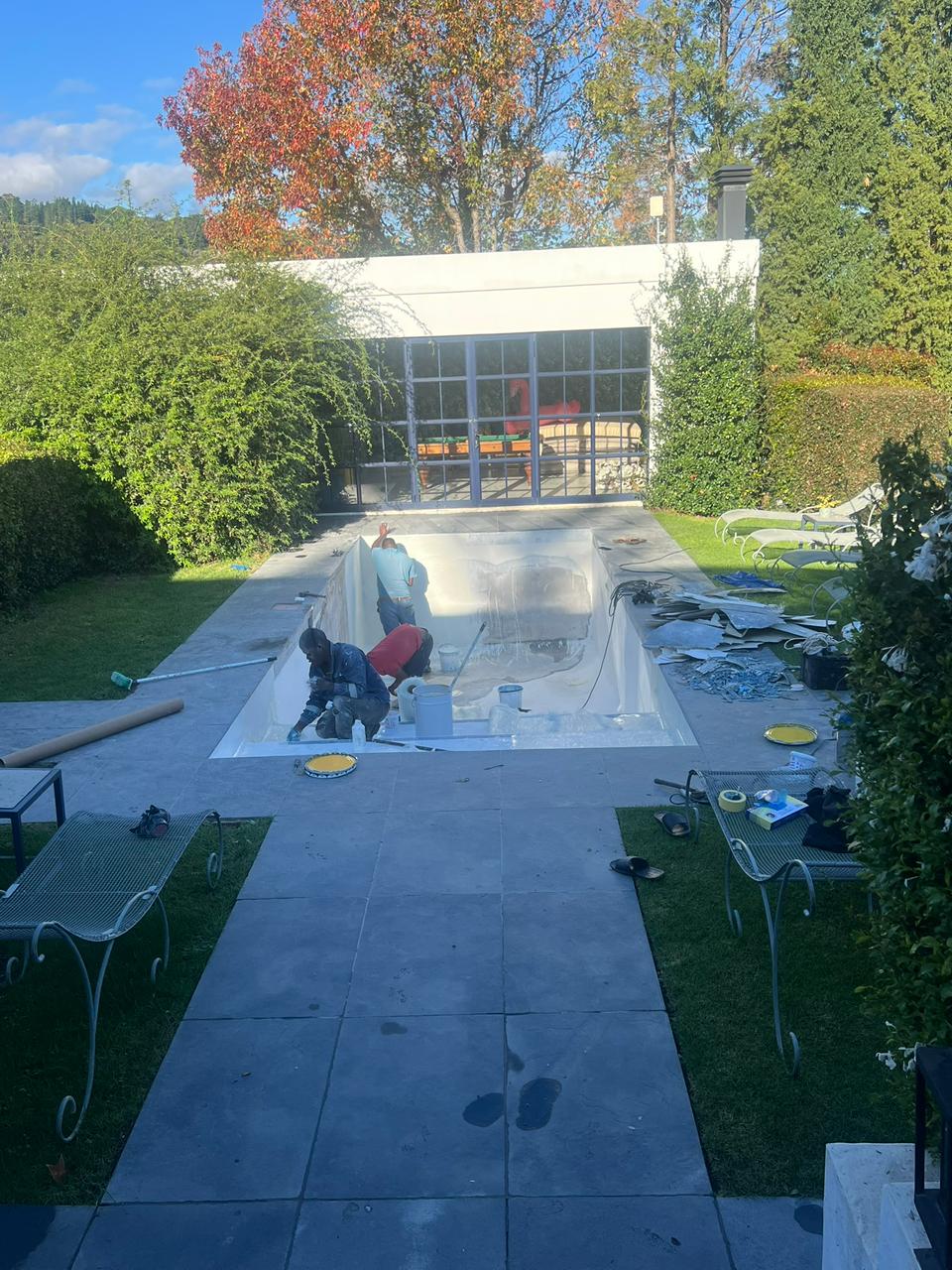
Relining an existing pool is a methodical job, and doing it properly is what makes the finish last in a coastal climate. Our typical process runs as follows:
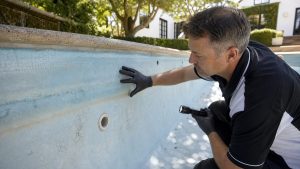
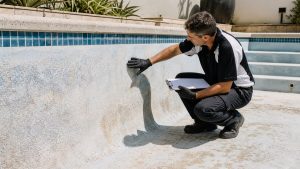
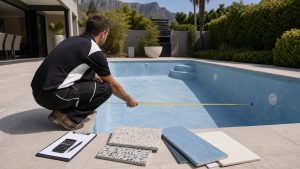
- Assessment: we inspect the shell for structural cracks, leaks and surface damage before quoting.
- Preparation: the old surface is drained, cleaned and keyed so the new lining bonds securely.
- Fibreglass application: matting and resin are layered to create a strong, watertight membrane.
- Gelcoat and finish: a smooth topcoat is applied and cured, then the pool is refilled and balanced.
Because Pringle Bay is a remote, low-development village with narrow sandy access roads, good planning matters. We schedule deliveries and curing around the weather so wind and blowing sand do not compromise the finish while it sets.
Protecting Your Investment on the Coast
A pool is a big part of the appeal of a coastal home, whether you live in Pringle Bay full time or use the house as a getaway. Choosing a finish that stands up to salt air and wind means fewer repairs, cleaner water and more time actually enjoying the pool. Fibreglass will not solve every issue on its own, but paired with sensible maintenance it gives you the most reliable surface for this environment.
Get a Free Quote for Your Pringle Bay Pool
Ready to give your pool a durable, low-maintenance finish built for the Overberg coast? Whether you need a full reline or advice on the best option for your budget, our team is here to help. Contact us for a free quote and let Aquatic Pools bring your Pringle Bay pool back to life.