A well-built timber deck turns an ordinary garden or poolside into a genuine outdoor living room. Across South Africa — and especially in the Cape, where long summers invite entertaining under open skies — timber decking and skilled outdoor carpentry have become one of the most rewarding ways to extend usable living space. Done properly, a deck blends natural warmth with real durability, framing your pool, patio, or braai area in a way that feels considered rather than tacked on. In this guide we look at why timber decking is so popular, how to choose the right materials, and what separates a deck that lasts from one that warps within a season.
Why Timber Decking Adds Style and Value
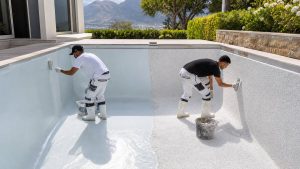
Timber has a tactile, timeless appeal that few other materials match. Unlike hard paving or concrete, a deck softens the transition between your home and garden, and it pairs beautifully with water features and pools. For homeowners already investing in their outdoor space — whether through marbelite pool resurfacing in Cape Town or a fresh landscaping scheme — a surrounding deck ties everything together into one cohesive design.
Beyond looks, a quality deck is a practical investment. It creates a level, splinter-free surface for lounging and dining, protects the ground beneath from wear, and can raise a property’s perceived value when buyers picture themselves entertaining outdoors. The key word, though, is quality: the difference between a deck that ages gracefully and one that becomes a maintenance headache almost always comes down to the timber, the sub-frame, and the craftsmanship behind them.
Choosing the Right Timber for South African Conditions
South Africa’s climate is demanding. Coastal humidity, salt air, intense UV, and seasonal downpours all test outdoor timber. Choosing a species and treatment suited to your region is essential. Popular options include:
- Hardwoods such as Balau, Garapa, and Massaranduba — dense, naturally durable, and well-suited to poolside and coastal decks.
- Pine (CCA or CCB treated) — a more budget-friendly choice that performs well when correctly treated and sealed.
- Composite decking — a wood-and-polymer blend that resists rot and fading, ideal for low-maintenance projects.
- Thermally modified timber — heat-treated for improved stability and resistance to moisture movement.
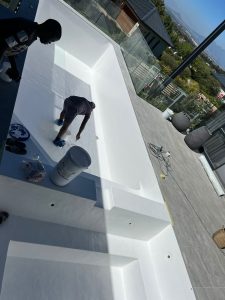
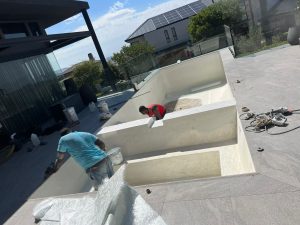
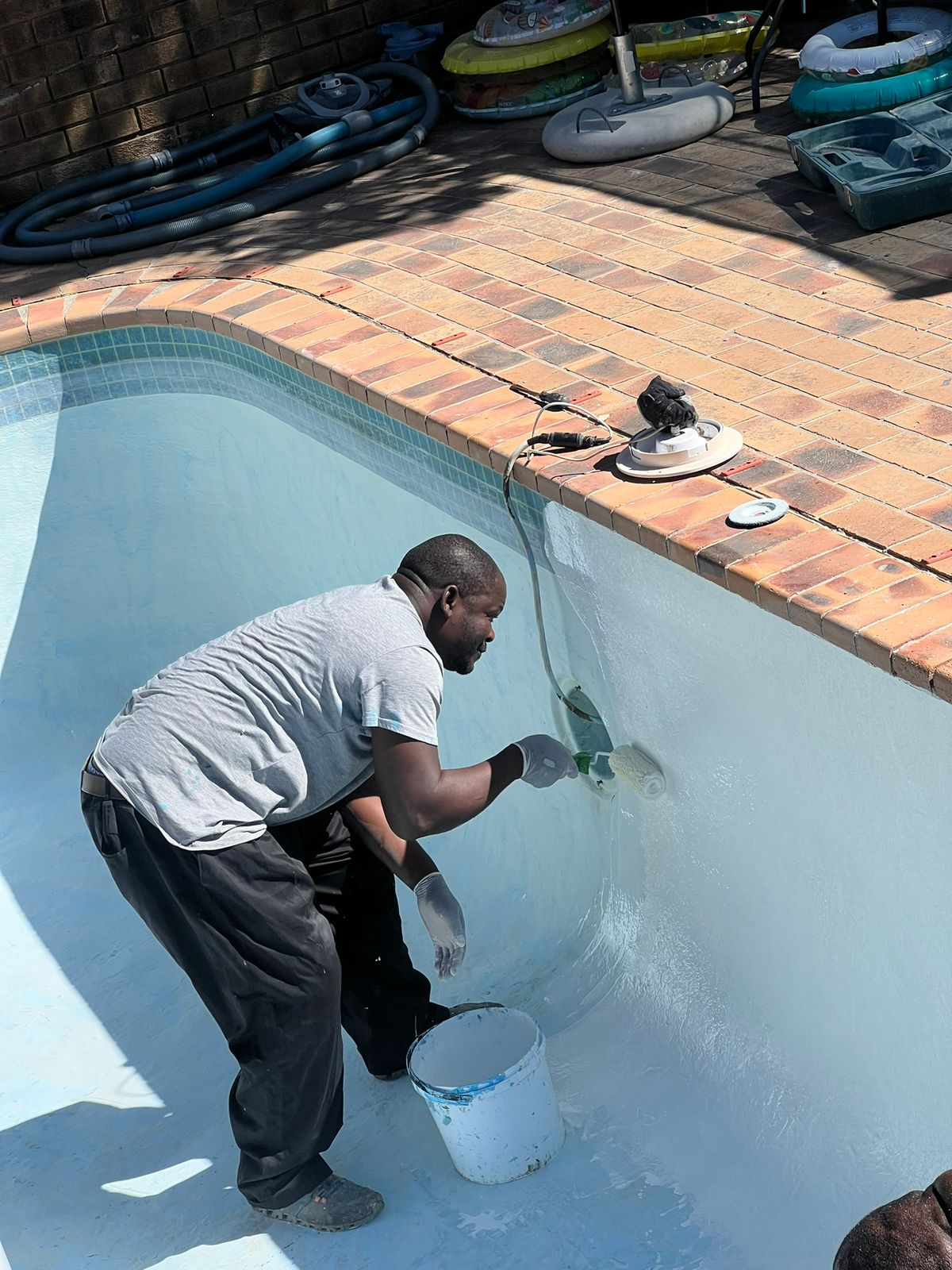
Near pools, water and chemical splash are constant factors, so decks should sit alongside a properly finished pool surface. If your pool interior is tired or leaking, addressing that first — for example with a durable fibreglass pool lining — means your new deck frames a clean, watertight feature rather than an ongoing problem.
What Goes Into Expert Craftsmanship
Good decking is as much about what you can’t see as what you can. A hidden sub-frame that is correctly spaced, levelled, and ventilated is what keeps boards from cupping and the whole structure from sagging over time. Experienced carpenters pay close attention to:
- Correct joist spacing and airflow beneath the boards to prevent trapped moisture.
- Stainless or hot-dip galvanised fixings that won’t corrode in coastal air.
- Consistent expansion gaps so timber can move with seasonal changes.
- Clean edge detailing, fascias, and steps that finish the deck neatly.
This is where a specialist earns their keep. Outdoor carpentry also extends well beyond flat decks — pergolas, screens, benches, planters, and pool surrounds all draw on the same skills, and having them built by one team ensures a consistent look and finish.
Understanding the Cost Factors
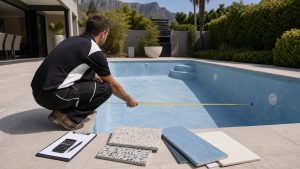
Every deck is different, so a realistic quote depends on several variables rather than a single fixed rate. The main factors that influence cost include the timber species you choose, the total deck area, the height and complexity of the structure, ground conditions, and any extras such as built-in seating, lighting, or balustrades. A raised deck over uneven terrain naturally involves more framing than a simple ground-level platform. Rather than chasing the cheapest number, it pays to compare like for like on materials and workmanship — skimping on the sub-frame or fixings is a false economy that shows within a year or two.
Caring for Your Deck
Even the best timber needs upkeep. An annual clean and re-oil or re-seal protects against UV greying and moisture, keeps the colour rich, and greatly extends the deck’s life. Sweep off leaves and debris regularly, check fixings each season, and treat any early signs of wear before they spread. With modest attention, a well-built hardwood deck can serve a family beautifully for many years.
Bringing It All Together
Timber decking and outdoor carpentry are among the most satisfying upgrades you can make to a South African home — adding warmth, usable space, and lasting value when done by people who understand both the material and the local climate. If you’re planning a poolside deck or a broader outdoor makeover, it helps to work with a team that handles the whole picture, from the water to the woodwork. Explore what’s possible on the Aquatic Pools website, or get in touch to discuss your project and the finish you have in mind.