You have skimmed the leaves, vacuumed the floor, and tipped in a dose of shock. That feels like the finish line, but for your pool it is actually the starting gun. The hours right after vacuuming and shocking are when the water chemistry is at its most unstable, and what you do next decides whether you end up with crystal-clear water or a cloudy green surprise by the weekend. Here in Cape Town, where summer south-easters dump debris and winter rains dilute your chemistry, that post-treatment routine matters even more.
Keep the Pump Running
The single most important thing you can do after shocking is to keep water moving. Shock only works when it is distributed evenly through the whole pool, and your circulation system is what carries it there. Switch the pump off too early and the chemicals settle in pockets, leaving some areas over-treated and others barely touched.
Run the filtration for at least eight hours after shocking, and ideally overnight. If you have just done a heavy vacuum as well, a longer run helps clear the fine particles that the vacuum stirred up but did not capture. During Cape Town’s hot, windy afternoons you may even want to run it a little longer, since evaporation and airborne debris put extra strain on the water.
Wait Before You Test
It is tempting to grab your test kit straight away, but freshly added shock will throw wildly high chlorine readings that tell you nothing useful. Give the chemicals time to circulate and start dissipating before you measure anything.
- Chlorine: Wait until levels drop back to around 1–3 ppm before swimming. This can take anywhere from a few hours to a full day depending on the dose.
- pH: Aim for 7.2–7.6. Shocking can nudge pH upward, so re-test and adjust once the water has settled.
- Alkalinity: Check that total alkalinity sits in the 80–120 ppm range to keep your pH stable.
- Clarity: The water should look clearer each hour. If it stays cloudy after a day of filtering, something else needs attention.
When Is It Safe to Swim?
Never jump in immediately after shocking. Wait until your chlorine has fallen to a normal, swimmable level and your pH is balanced. A reliable test kit is your best friend here; guessing puts your skin, eyes, and costume at risk of that harsh bleached feeling. If in doubt, wait longer, retest, and only then let the family back in.
Deal With What Settles
Shocking often kills off algae and organic matter that then sinks to the floor as fine dead debris. A day or so after treatment, you may notice a light layer of sediment where the water once looked green. Give the pool a second, gentle vacuum to waste to remove it rather than pushing it back through your filter.
This is also the moment to clean or backwash your filter. It has just worked hard trapping everything the shock knocked loose, and a clogged filter cannot keep your water clear no matter how balanced the chemistry is. A quick rinse of the pump basket and skimmer keeps everything flowing freely.
Watch the Surfaces, Not Just the Water
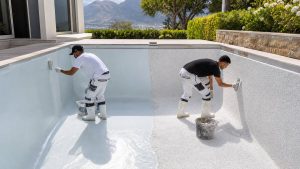
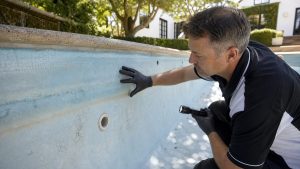
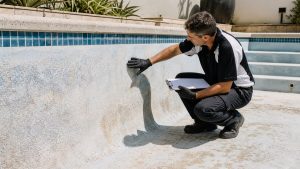
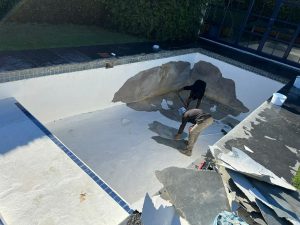
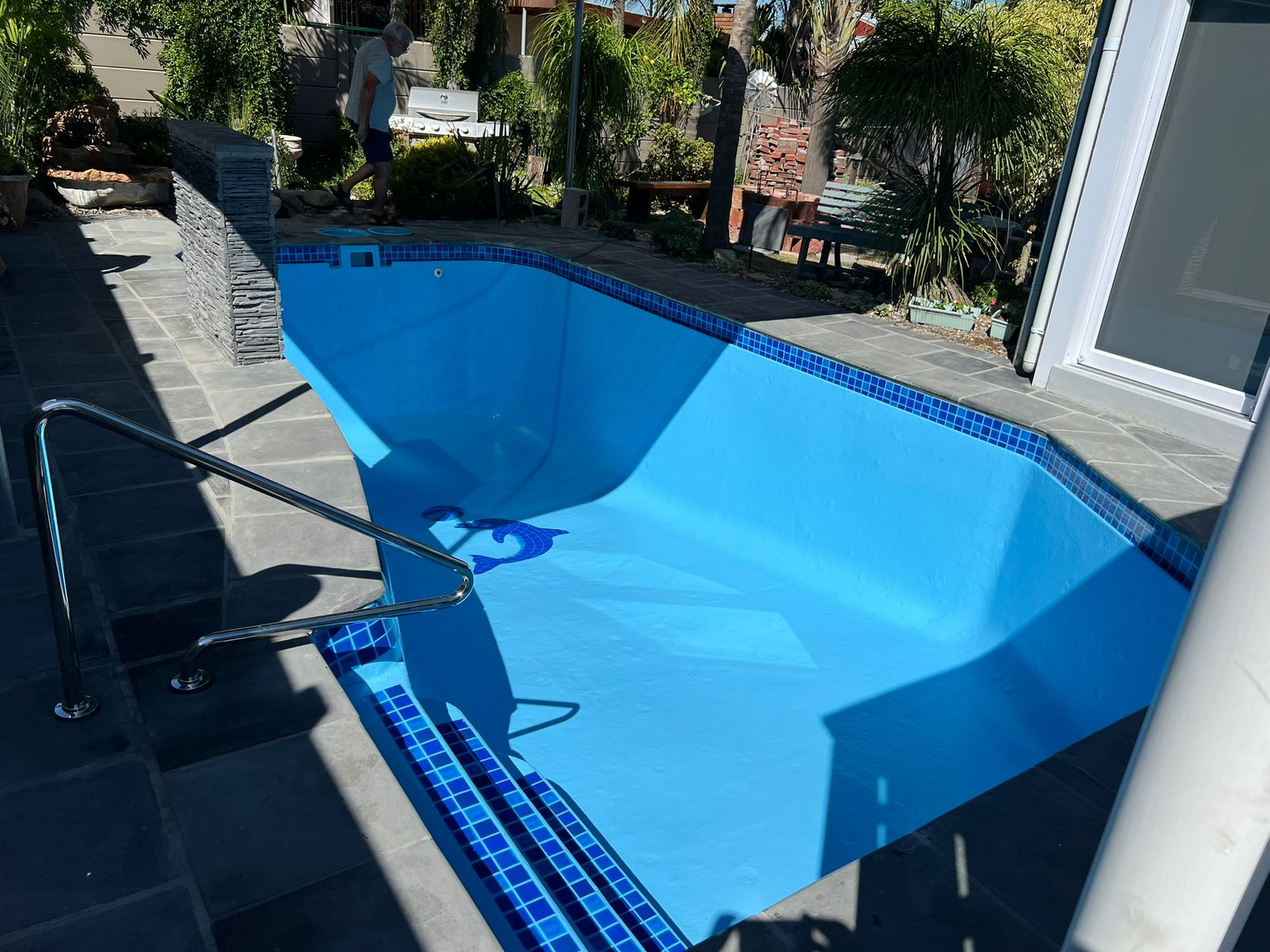
Repeated shocking is tough on ageing pool interiors. If your marbelite has gone chalky, or your fibreglass shell is showing fine cracks and rough patches, those flaws trap algae and make every treatment less effective. You end up shocking more often just to stay ahead of the problem. If you keep fighting stubborn staining or a surface that feels rough underfoot, it may be time to look at professional marbelite resurfacing in Cape Town rather than chasing the symptoms with chemicals.
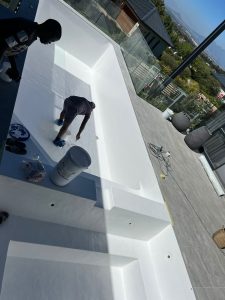
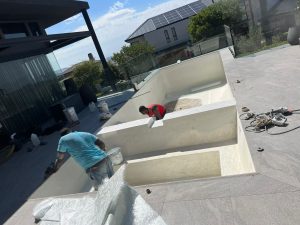
Fibreglass owners have a similar tell: if the gelcoat is fading or blistering, a fresh fibreglass pool lining restores a smooth, non-porous finish that holds chemistry far better and needs less shocking overall. A sound surface is the foundation that makes routine maintenance simple.
Build a Rhythm
Post-shock care is easiest when it becomes a habit rather than a scramble. A simple weekly rhythm of vacuum, test, adjust, and circulate keeps most Cape Town pools sparkling through the seasons. Keep a small log of your readings so you can spot a slow drift before it becomes a full green episode.
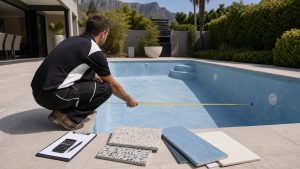
If you would rather hand the whole cycle to a team that knows local water and weather, the crew behind Aquatic Pools can help with everything from routine servicing to full resurfacing. Our complete range of pool services covers both.
When something feels off that a normal shock will not fix, it is always worth a quick chat, so get in touch before a minor issue turns into a costly one. A little attention in the hours after vacuuming and shocking pays you back with a pool that is ready whenever you are.