If you run a salt-chlorinated pool anywhere in Cape Town or the wider Western Cape, the chlorinator cell is the quiet workhorse that keeps your water sanitised. It converts dissolved salt into chlorine every time the pump runs, so when it starts to struggle you notice it fast: cloudy water, a persistent algae bloom, or a low-salt warning that will not clear. Knowing when to clean the cell and when to replace it altogether saves you money and keeps your pool swim-ready through our long summers.
How a chlorinator cell works and why it fouls up
Inside the cell are a series of coated titanium plates. A low-voltage current passes through the salty water between these plates, splitting the salt and producing chlorine on the spot. Over time two things happen. First, calcium and other minerals in the water build up as white, crusty scale on the plates. Second, the special coating on the plates slowly wears away through normal use. Cleaning fixes the first problem. Only replacement fixes the second.
Cape Town’s water hardness varies from suburb to suburb, and pools that are topped up frequently during hot, windy spells tend to scale faster. That is why a maintenance routine matters as much here as anywhere.
Signs your cell needs attention
Your chlorinator usually tells you something is wrong before the water does. Watch for these warning signs:
- A “check cell”, “inspect cell” or low-output light on the control unit.
- Visible white, flaky scale between the plates when you remove the cell.
- Chlorine levels that stay low even though salt readings are correct.
- The pool needing more manual chlorine or shock than usual to stay clear.
- The unit tripping to a fault after only a short run.
If you see scale but the plates still look evenly coated, a clean will almost always bring performance back. If output stays poor after a proper clean, the coating has likely reached the end of its life.
How to clean a chlorinator cell safely
Cleaning is a job most pool owners can manage at home, and doing it a few times a season is far cheaper than a premature replacement. Always switch off the chlorinator and the pump at the plug before you start.
The step-by-step method
- Isolate the power, then unscrew the unions and remove the cell from the pipework.
- Inspect the plates. Light scale can often be flushed off with a strong jet from the garden hose.
- For stubborn scale, use a proper cell-cleaning solution or a diluted acid mix — typically one part pool acid to about ten parts water. Never pour neat acid onto the plates.
- Stand the cell electrode-up in a suitable container and pour the solution in so the plates are covered. You will see it fizz as the scale dissolves.
- Leave it only until the fizzing stops, usually a few minutes. Soaking too long or too often damages the coating.
- Rinse thoroughly with fresh water, refit the cell and restore power.
Wear gloves and eye protection, work outdoors or in a well-ventilated spot, and always add acid to water rather than the other way round. A soft plastic tool can help lift heavy scale, but never scrape the plates with anything metal.
When cleaning is no longer enough
Most cells last somewhere between three and seven years, depending on run hours, water balance and how gently they have been cleaned. When output drops even though the cell is scale-free and your salt and pH are correct, the plate coating has worn out and it is time to replace. A dying cell forces you to compensate with extra chemicals, which costs more over a season than a new cell would.
When you do replace, match the new cell to your chlorinator model and turnover size. Fitting the wrong cell leads to poor chlorine production or premature failure. If you are unsure which unit suits your pool, it is worth having a professional confirm the specification before you buy.
Prevention pays off
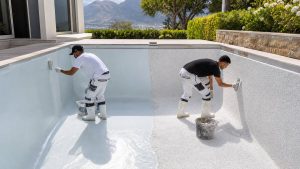
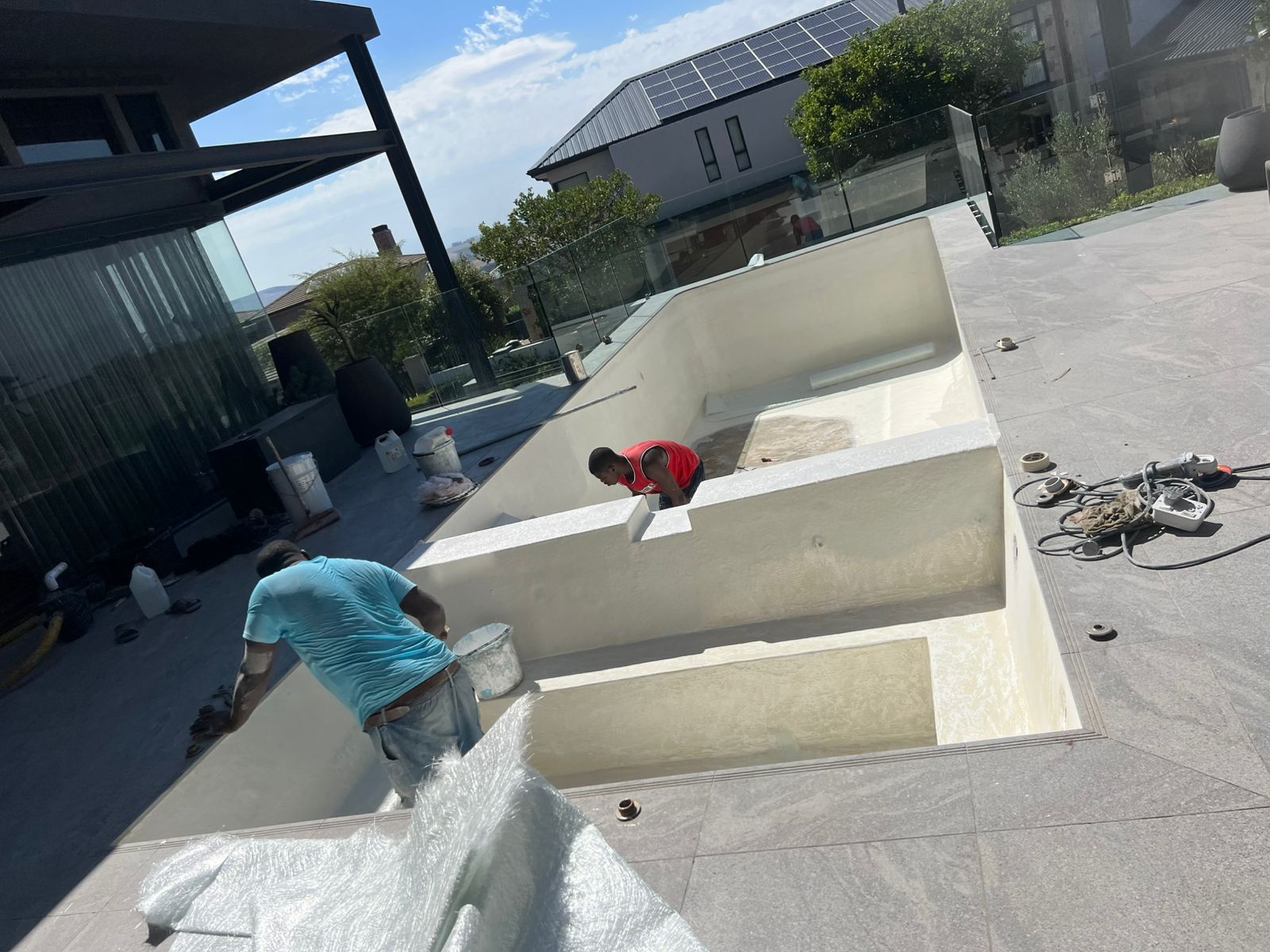
The best way to extend cell life is to keep your water balanced. Hold the pH in the recommended range, keep calcium hardness sensible, and avoid over-salting. A well-maintained surface also helps, because a sound interior keeps water chemistry stable — something we see time and again with our fibreglass pool lining work across the Cape. A fresh marbelite pool resurfacing finish has the same steadying effect. A leaking or degraded shell throws your chemistry out and makes every cell work harder than it should.
If your chlorinator keeps faulting, your water will not hold chlorine, or you simply want a second opinion on whether to clean or replace, the team at Aquatic Pools can help. We service salt systems throughout Cape Town and the surrounding areas, and can advise on the right cell for your setup. Feel free to get in touch for practical, no-nonsense guidance on keeping your pool healthy all year round.