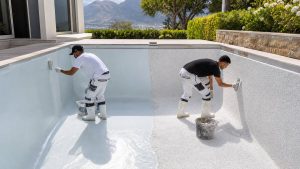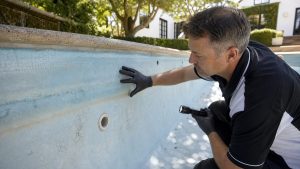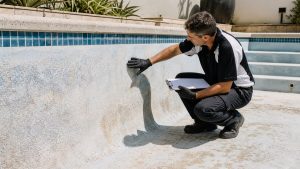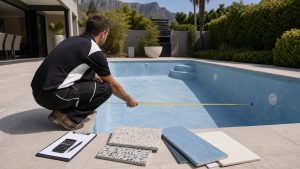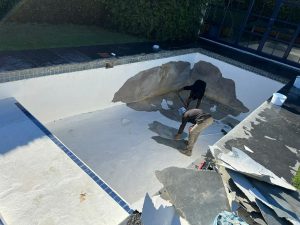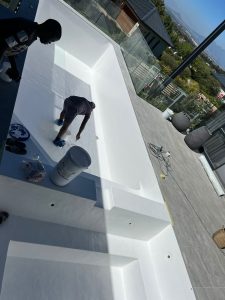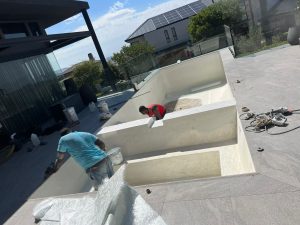
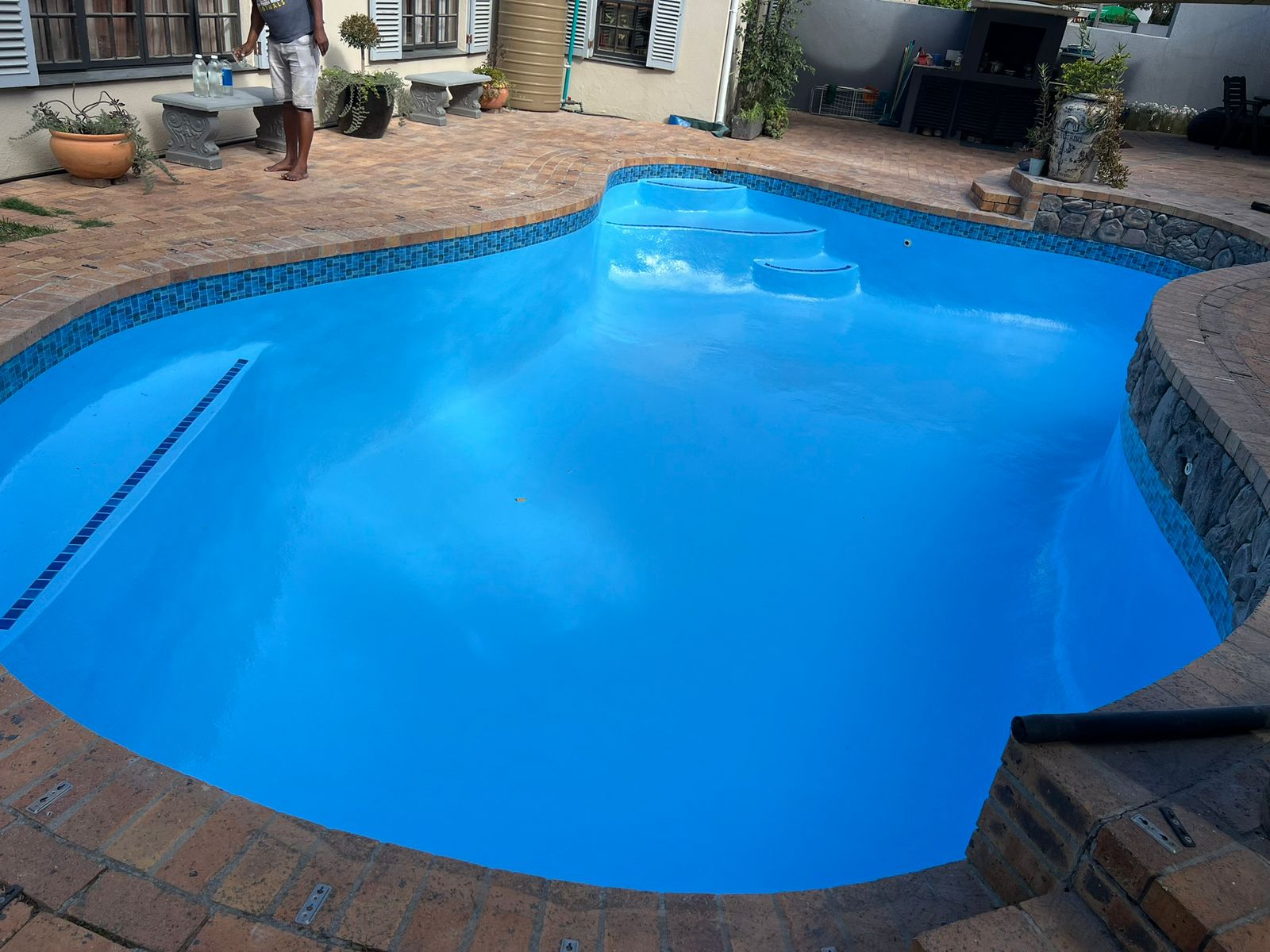
Completing a fibreglass lining on a concrete swimming pool is a major milestone, but the work is not quite finished the moment the last coat goes on. The first few weeks are the most important in the life of your new surface. Good fibreglass pool aftercare in this window determines how smooth, watertight and long-lasting the finish will be. Get it right and you can expect many years of low-maintenance swimming; rush it and you risk chalking, staining or premature wear. Here is a practical guide to caring for a freshly fibreglass-lined pool from curing day through to ongoing seasonal care.
Let the Fibreglass Cure Properly
Before anything else, the new lining needs time to cure. The resin and topcoat continue to harden after application, and filling too early can leave soft spots or a tacky surface. As a general rule, allow the finish to dry undisturbed in a shaded, well-ventilated shell for the period your installer specifies, and keep foot traffic, tools and debris out of the empty pool during this time. Avoid walking on the surface in hard-soled shoes and never drag equipment across it. If rain is expected, cover the pool so that water does not pool on a partially cured floor.
Signs the Surface Is Ready
A cured fibreglass finish feels firm and dry to the touch with no stickiness. It should have an even sheen rather than dull or blotchy patches. If you are unsure whether the lining is ready for its first fill, ask your installer rather than guessing, as timing depends on temperature, humidity and the product used.
The First Fill
Filling a new pool is not just about opening a tap. Do it in one continuous session where possible, so that the water rises evenly and no dirt line forms halfway up the wall. Use clean municipal water and start the hose at the deep end, resting it on a soft cloth or mat so the stream does not gouge the fresh floor. As the pool fills, keep an eye out for debris blowing in, and skim anything off the surface before it settles.
Balance the Water Early
Once full, balanced water chemistry protects both your new surface and your comfort as a swimmer. Fibreglass is more forgiving than plaster, but aggressive or neglected water can still cause scaling or dullness over time. Aim to test and adjust in the first 24 to 48 hours, then keep a regular routine. Focus on these core readings:
- pH – keep it in the recommended range so the water is neither corrosive nor scale-forming.
- Total alkalinity – acts as a buffer and keeps pH stable between tests.
- Chlorine or sanitiser – maintain a steady residual to keep algae and bacteria in check.
- Calcium hardness – balanced levels help prevent both scaling and etching.
- Stabiliser (cyanuric acid) – protects chlorine from being burned off by the Cape sun.
Add chemicals one at a time with the pump running, and wait between doses so readings settle before you adjust again. Never tip concentrated chemicals directly onto the fibreglass.
Gentle Cleaning in the Early Weeks
A new fibreglass surface is smooth and non-porous, which makes it naturally resistant to dirt. That means you should never need harsh scrubbing or abrasive tools. For the first month especially, clean gently:
- Use a soft-bristled brush or a pool-safe sponge, never a wire brush or scouring pad.
- Skim leaves and floating debris daily so nothing has a chance to stain.
- Run the filtration system for the recommended hours each day to keep water moving.
- Wipe the waterline with a soft cloth to stop oils and sunscreen building into a ring.
If you use an automatic pool cleaner, check that its wheels and tracks are free of grit before letting it loose on the new floor.
Ongoing Care and Longevity
Once the pool is settled, fibreglass rewards you with easy upkeep. Keep testing the water weekly, brush the walls and floor lightly, and empty skimmer and pump baskets regularly. Watch shady corners and steps for early algae and treat promptly. Over the years the finish may benefit from a professional check, and if you ever notice dullness or minor wear you can discuss a refresh or explore alternatives such as marbelite resurfacing with a specialist.
Caring for a freshly lined pool is mostly about patience early on and consistency thereafter. Respect the curing time, fill and balance carefully, clean gently and stay on top of your weekly routine, and your new surface will stay smooth and inviting for a long time. If you would like tailored advice for your pool or are planning a renovation, the team at Aquatic Pools is happy to help – simply get in touch for a free quote to discuss your project.