Most pool owners in Cape Town enjoy their swimming pool without ever thinking about how it actually works. Yet behind that inviting blue water sits a surprisingly clever system of parts, each with a specific job. Understanding the anatomy of a pool helps you spot problems early, talk confidently to your pool builder, and keep your investment in good shape through the Western Cape’s hot summers and wet winters. In this guide we walk through every major part of a swimming pool, from the shell you can see to the plumbing you never do.
The Pool Shell: The Structure That Holds It All
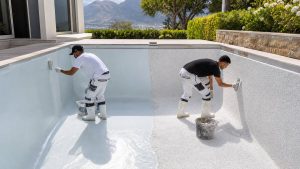
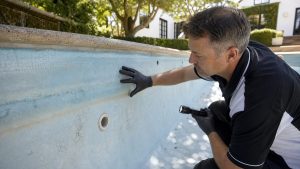
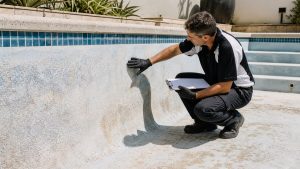
The shell is the body of the pool: the walls and floor that hold the water. In South Africa most pools are built from either gunite/marbelite (a concrete-based structure with a plaster finish) or fibreglass. The shell must be watertight and structurally sound, because it carries the enormous weight of thousands of litres of water. Over time, marbelite finishes can become rough, stained or porous, while older concrete pools may develop hairline cracks.
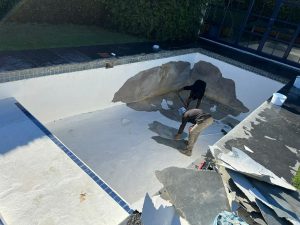
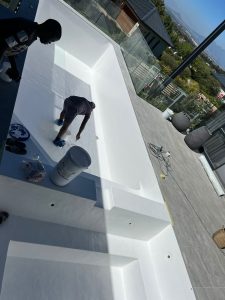
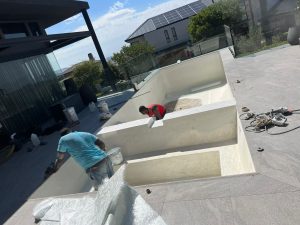
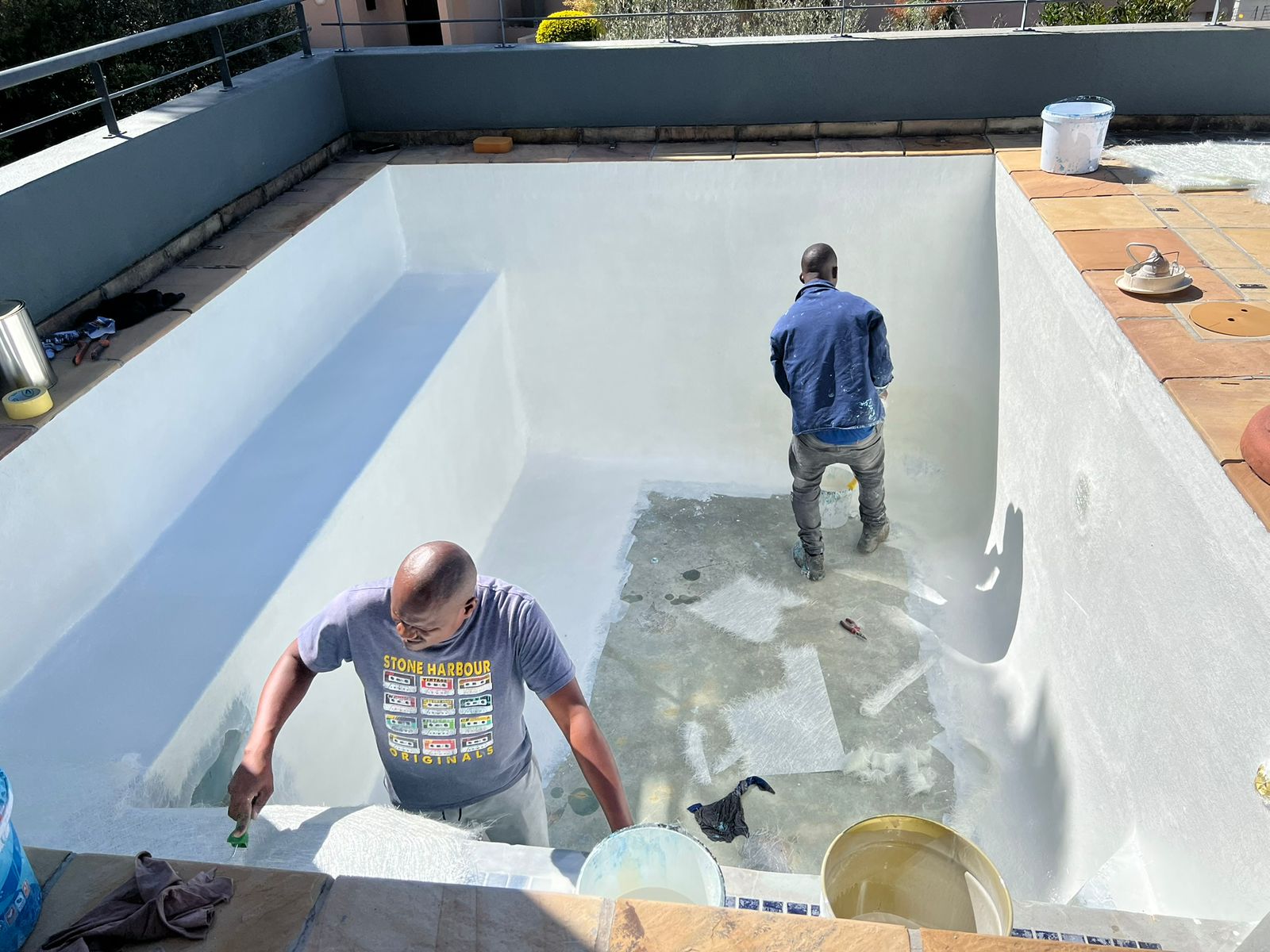
When a shell starts to show its age, resurfacing brings it back to life. A fresh marbelite pool resurfacing service smooths the interior, seals small imperfections and restores that clean, bright look. For owners wanting a low-maintenance, non-porous surface, a fibreglass pool lining can be applied over an existing structure to create a durable, algae-resistant finish.
The Waterline and Coping
The waterline is exactly what it sounds like: the level where the water meets the pool wall. This zone often features waterline tiles, which are easier to clean where oils, sunscreen and calcium tend to build up. Above the waterline sits the coping, the capping around the top edge of the pool. Coping provides a finished border, protects the top of the shell, and gives swimmers a safe surface to grip when climbing out.
Circulation: How Water Moves Through the Pool
Clean water depends on constant circulation. Water leaves the pool, gets cleaned, and returns, over and over. The main parts in this loop include:
- Skimmers – openings near the waterline that draw in surface water along with leaves, insects and debris before they sink.
- Weir – the small floating flap inside the skimmer that traps debris and stops it flowing back into the pool.
- Main drain – located at the deepest point, it pulls water from the bottom of the pool to keep the whole volume moving.
- Return jets (inlets) – the outlets that push filtered water back into the pool, creating gentle circulation.
- Suction and pressure lines – the underground plumbing that carries water to and from the equipment.
Good circulation is the single biggest factor in keeping a pool clear. If one part of this loop is blocked or failing, you will often notice cloudy water or algae in the corners.
The Equipment Set: Pump, Filter and Chlorinator
The mechanical heart of the pool usually sits in a nearby pump box or plant room. The pump is the motor that drives water through the system, drawing it from the skimmer and main drain and pushing it through the filter. The filter (commonly a sand filter in South African homes) traps fine particles so the water returns clear. Many pools also run a chlorinator or salt-chlorination unit that sanitises the water, killing bacteria and keeping algae at bay.
A weir basket and pump basket catch larger debris before it reaches the pump impeller, so emptying these regularly protects your equipment and keeps flow strong.
Cleaning and Extras
Beyond the core system, most pools have a few helpful extras. An automatic pool cleaner (such as a suction-side creepy-crawly) scrubs the floor and walls. Steps or a ladder provide safe entry, and a pool cover reduces evaporation and keeps leaves out during Cape Town’s windy spells. LED or fibre-optic lighting adds atmosphere for evening swims, while a solar heating panel can extend the swimming season into the cooler months.
Why Knowing the Parts Matters
When you understand pool anatomy, everyday maintenance makes sense. You know why you empty the skimmer basket, why the pump needs to run for several hours a day, and why a rough or stained shell is worth attending to. It also helps you recognise when a problem is minor versus when it needs a professional eye, such as a leaking suction line or a shell that has lost its watertight finish.
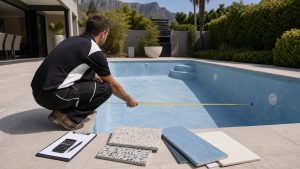
If your pool is due for attention, the team behind Aquatic Pools works across Cape Town and the Western Cape on everything from resurfacing to fibreglass lining and general repairs. To discuss your pool’s condition or book an assessment, simply get in touch with our team and we’ll help you get the water sparkling again.