An automatic pool cleaner is one of the hardest-working pieces of equipment in any Cape Town backyard, quietly scrubbing floors and walls while you get on with your day. Yet many pool owners in the Western Cape only think about their cleaner once it stops moving. A little regular attention goes a long way, and good pool cleaner maintenance keeps your unit gliding smoothly for years rather than seasons. In this guide we walk through the simple habits that protect your investment and keep your water sparkling.
Why Pool Cleaner Maintenance Matters
Suction and pressure cleaners rely on clear pathways and healthy moving parts to do their job. When debris builds up or worn components go unnoticed, the cleaner loses efficiency, misses sections of the pool and puts extra strain on your pump. In our windy Cape climate, leaves, sand and fine grit are a constant challenge, so cleaners here tend to work harder than in sheltered inland regions. Staying ahead of wear means fewer breakdowns, lower running costs and a pool that stays swim-ready through summer.
Weekly Care Routine
The best maintenance is little and often. Set aside a few minutes each week to give your cleaner a quick once-over. These small checks catch problems long before they become expensive repairs.
- Rinse the cleaner and its filter bag or canister with fresh water to remove sand and fine debris.
- Inspect hoses for kinks, cracks or air leaks that reduce suction.
- Clear leaves and grit from the pump basket and skimmer so the cleaner gets full flow.
- Check that flaps, diaphragms and wheels move freely and are not clogged.
- Remove the cleaner from the water during heavy chemical dosing or shock treatments.
Getting into this rhythm takes only a few minutes but dramatically extends the working life of your equipment.
Caring for Hoses and Moving Parts
Hoses are often the first thing to fail. Left coiled tightly in the sun, they take on a permanent curl that makes the cleaner spin in circles instead of covering the whole floor. Store hose lengths straight or in loose loops out of direct sunlight when the cleaner is not in use. Replace any section that has hardened or split, as even a small air leak upsets the whole system.
Diaphragms, Flaps and Wheels
The internal diaphragm or flapper is the heart of most suction cleaners, and it wears with every pulse. If your cleaner slows down or stops climbing walls, a tired diaphragm is a common culprit. Wheels, tracks and brushes also wear against the pool surface over time. On a smooth fibreglass pool lining, cleaners tend to glide with less friction, while textured or older marbelite surfaces can wear parts a little faster. Keep a small kit of common spares on hand so a worn part never sidelines your cleaner for long.
Protecting the Pool Surface
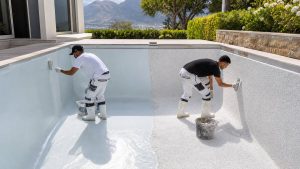
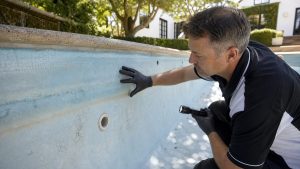
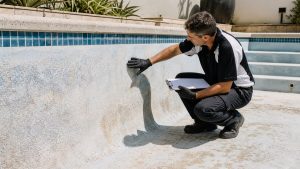
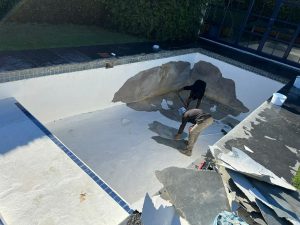
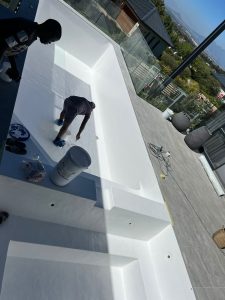
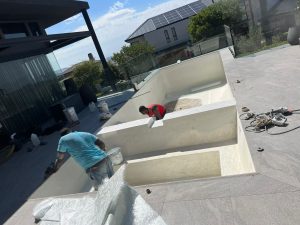
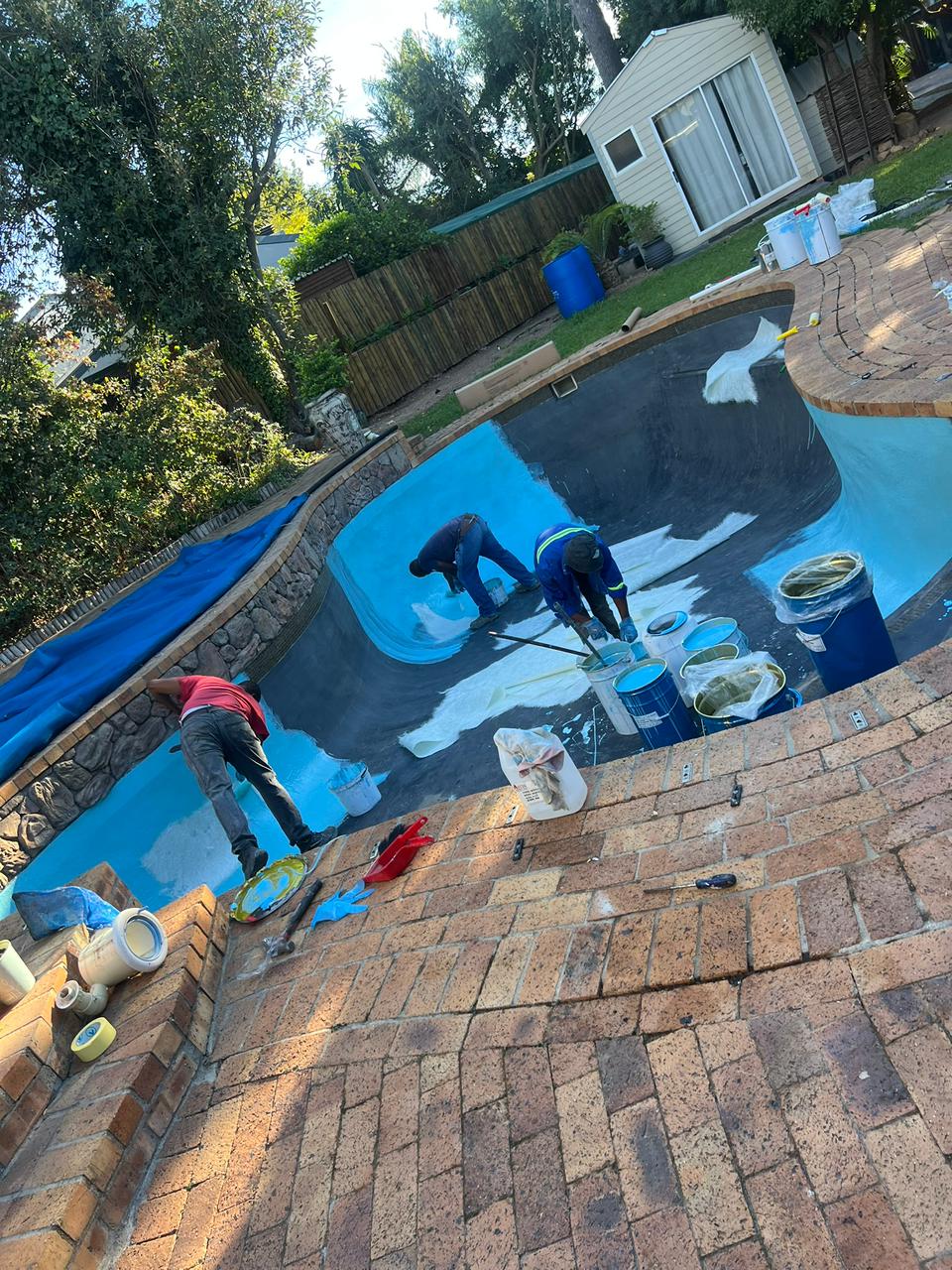
A well-maintained cleaner also protects the finish it moves across. A unit dragging a stiff hose or running with worn wheels can scuff and mark a surface over the years. If your pool interior is already showing signs of age, addressing the surface and the cleaner together makes sense. A fresh, sound lining lets the cleaner do its job with minimal resistance, and a healthy cleaner keeps that new finish looking its best for longer.
Seasonal and Storage Tips
Cape Town winters bring cooler swimming and more falling debris, so adjust your approach with the seasons. When you are not using the cleaner for extended periods, remove it from the water, rinse it thoroughly and store it in a shaded, dry spot. Prolonged exposure to sun and pool chemicals degrades plastic and rubber components faster than the water itself. Before the busy summer season returns, run a full inspection so you start swimming weather with a cleaner that is ready to perform.
- Store the cleaner and hoses out of direct sunlight.
- Balance your water chemistry, as harsh conditions damage seals and parts.
- Give the unit a proper service check at the start of each swim season.
When to Call in the Professionals
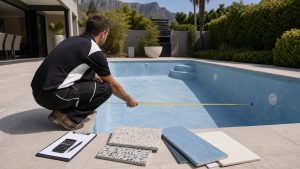
Routine care handles most day-to-day needs, but some issues point to bigger questions about your pool as a whole. Persistent debris, poor circulation or a cleaner that constantly struggles may signal problems with the surface, filtration or pool structure rather than the cleaner itself. If you are unsure, it is worth getting expert eyes on the setup. The team at Aquatic Pools works with pool owners across the Western Cape and can advise on both equipment and the pool interior. Feel free to get in touch for guidance tailored to your pool.
With a consistent maintenance routine, sensible storage and a little seasonal attention, your automatic pool cleaner will reward you with years of dependable, low-effort cleaning, leaving you more time to actually enjoy the water.