Your pool pump is the heart of the whole system. It pushes water through the filter, keeps chlorine and other chemicals evenly distributed, and stops the water from turning green and stagnant. In Cape Town, where hot, dry summers and the ever-present reality of water restrictions shape how we care for our pools, choosing and looking after the right pump matters more than most owners realise. This guide walks through installation, ongoing maintenance, and the real factors that influence what a pump will cost you.
Why the Right Pool Pump Matters in Cape Town
A pump that is too small will struggle to circulate the full volume of your pool, leaving dead spots where algae takes hold. A pump that is too large wastes electricity and can put unnecessary strain on your filter and plumbing. In a city with high summer temperatures and long swimming seasons, correct circulation is what keeps your water clear, safe, and inviting from the Atlantic Seaboard to the Southern Suburbs.
Energy efficiency is a growing concern too. With rising electricity tariffs and load-shedding still a background worry, many Cape Town homeowners are moving toward variable-speed pumps that run quietly for longer at lower power draw, rather than older single-speed models that switch on at full power every cycle.
Pool Pump Installation: What to Expect
Installing or replacing a pool pump is more involved than simply swapping one unit for another. A proper installation takes your pool’s volume, plumbing layout, and filter type into account so the whole system works together.
Key steps in a professional installation
- Sizing the pump to match your pool’s volume and desired turnover rate, so the water is fully circulated within a healthy timeframe.
- Positioning the pump on a stable, level base close to the filter, with proper drainage and protection from the elements.
- Connecting the plumbing and ensuring watertight fittings on both the suction and return lines to avoid air leaks that reduce priming.
- Wiring the electrical supply safely, ideally by a qualified electrician, with correct isolation and weatherproofing.
- Priming and testing the system to confirm strong flow, no leaks, and quiet operation before sign-off.
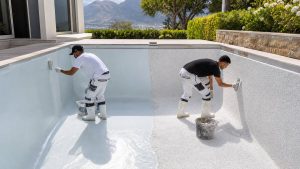
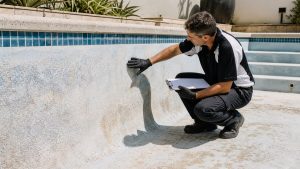
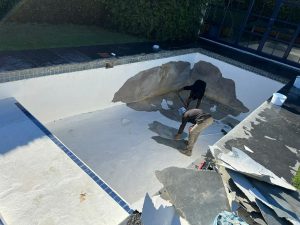
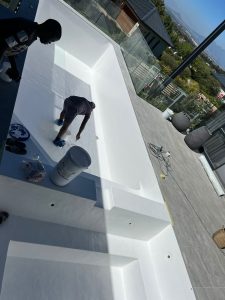
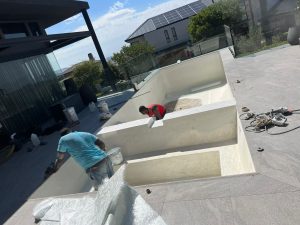
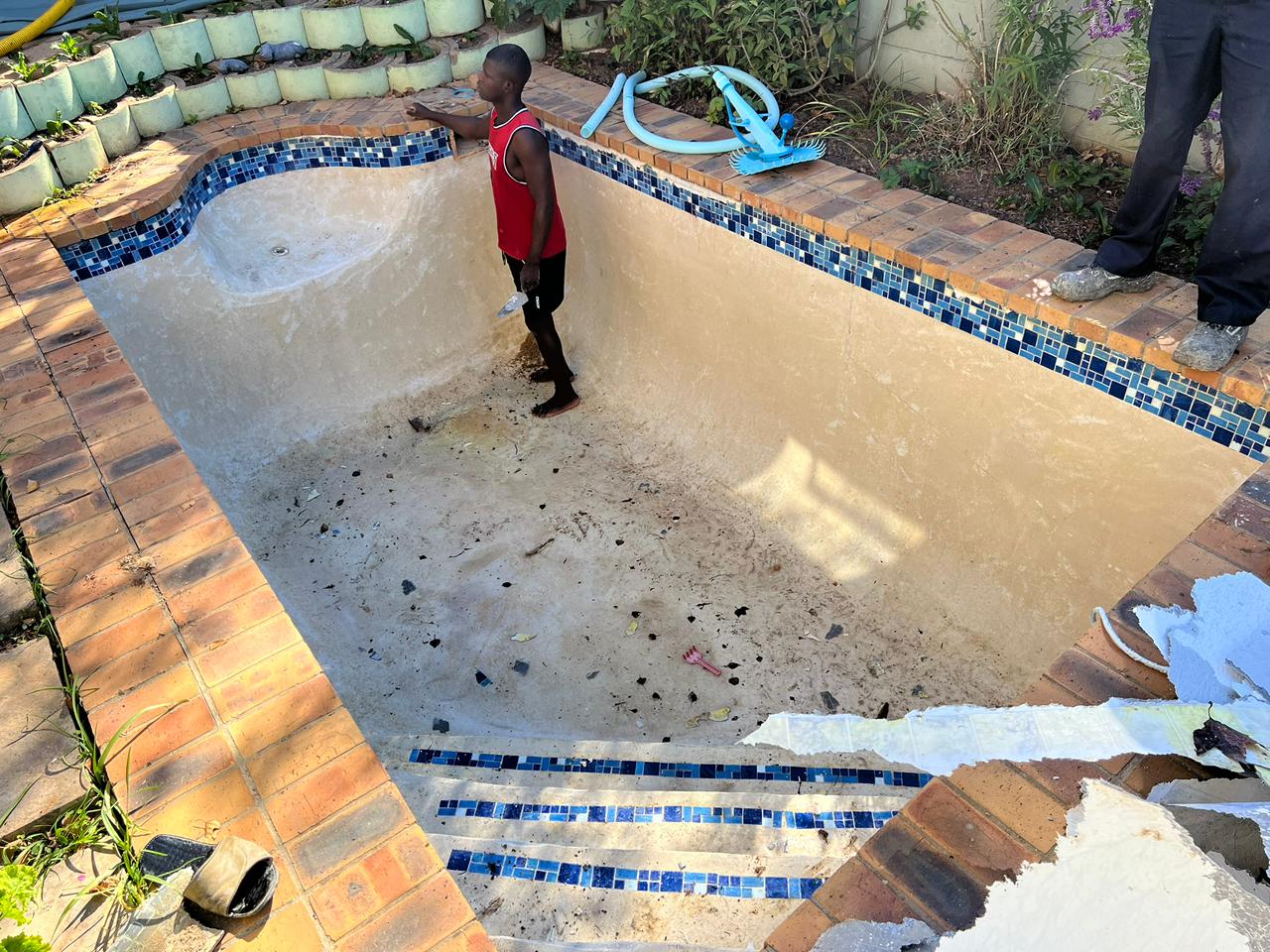
If you are renovating a pool or upgrading its surface at the same time, it makes sense to coordinate the work. When we handle a fibreglass pool lining or a marbelite resurfacing project, the circulation system is checked as part of getting the pool back to its best.
Keeping Your Pump Healthy: Maintenance Basics
A well-maintained pump can run reliably for many years, while a neglected one fails early and often at the worst possible time. Most maintenance is simple and can be built into your regular pool routine.
Routine tasks that extend pump life
- Empty the pump strainer basket regularly, especially after windy Cape Town days that blow leaves and debris into the pool.
- Check the pump lid seal and O-ring for cracks or drying, and keep them lightly lubricated so the pump primes properly.
- Listen for unusual noises — grinding, rattling, or screeching often signal worn bearings or a failing motor.
- Watch for leaks around the housing and fittings, which point to perished seals that should be replaced early.
- Keep the pump area clear and ventilated so the motor does not overheat during long summer running cycles.
Backwashing your filter on schedule also protects the pump by preventing it from working against a clogged, high-pressure filter. If you are unsure whether your pump is running as it should, it is always worth having it inspected before a small issue becomes a costly replacement.
What Influences Pool Pump Costs
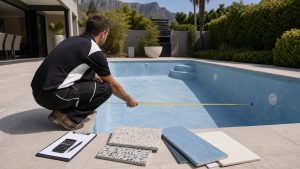
Rather than quoting figures that quickly go out of date, it helps to understand the factors that shape what you will pay. Every pool is different, and an accurate price always comes from an on-site assessment.
- Pump type and technology: variable-speed and energy-efficient models cost more upfront but usually save on running costs over time.
- Pool size and turnover needs: larger pools need more powerful pumps and sometimes larger plumbing.
- Condition of existing plumbing and wiring: upgrades or repairs to older infrastructure add to the scope of work.
- Installation complexity: awkward access, distance from the pool, or a full system redesign takes more labour.
- Repair versus replacement: sometimes a seal, capacitor, or bearing swap restores a pump; other times a new unit is the better long-term value.
Thinking about the total lifetime cost — purchase, installation, electricity, and maintenance — rather than just the sticker price usually leads to a smarter decision, particularly with Cape Town’s electricity tariffs in mind.
Get Expert Help With Your Pool Pump
Whether you need a new pump sized and installed, an ageing unit serviced, or advice on making your pool more energy efficient, working with an experienced local team saves you money and hassle in the long run. Explore our full range of services on our homepage, or get in touch for a friendly, no-obligation assessment of your pool. A pump that is correctly sized, properly installed, and well maintained is one of the best investments you can make in years of clear, trouble-free swimming.