A well-planned swimming pool installation turns an ordinary Cape Town garden into a year-round space for exercise, entertaining and quiet weekend afternoons. Yet a pool is a significant, long-lasting investment, so the decisions you make before the first spade goes into the ground matter enormously. From choosing the right shell to understanding how Western Cape soil and weather affect the build, a little knowledge goes a long way. This guide walks you through what a professional installation actually involves and how to plan for a pool that lasts.
Planning Your Pool Installation
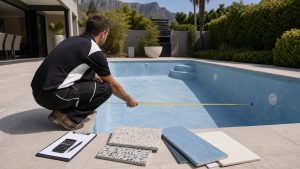
Every successful build starts with careful planning. Before construction begins, you need to consider the size and shape that suits your property, how the pool will be used, and where it should sit in relation to the sun, prevailing wind and your home. In much of the Western Cape the summer south-easter is a real factor, so positioning the pool with some shelter can make swimming far more pleasant.
It is also worth thinking early about municipal requirements. In Cape Town, pool safety regulations and building line setbacks apply, and your installer should be able to guide you through what is needed for your specific erf. Getting these details right at the outset prevents costly changes later. A reputable local company such as Aquatic Pools can assess your site and recommend an approach that works with your budget and garden.
Questions to Ask Before You Build
- How will the pool mainly be used – laps, family fun, or a design feature?
- What is the soil and slope like on your property?
- Where does the sun fall through the day and across the seasons?
- How much space do you want left for paving, lawn or entertaining areas?
- What ongoing maintenance are you realistically prepared to do?
Choosing the Right Type of Pool
The two most common approaches in the Western Cape are concrete (gunite or marbelite-finished) pools and fibreglass pools. Concrete pools are built on site and can be shaped to almost any design, making them ideal for unusual spaces or bespoke features. Fibreglass pools use a pre-moulded shell that is craned into an excavated hole, which usually means a faster installation and a smooth, low-maintenance surface.
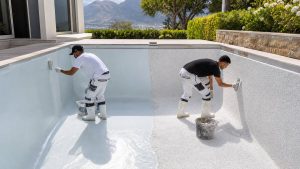
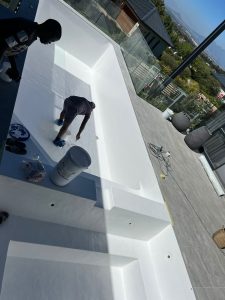
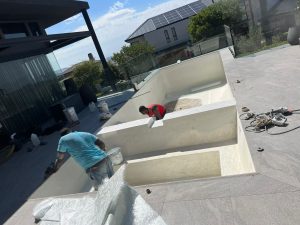
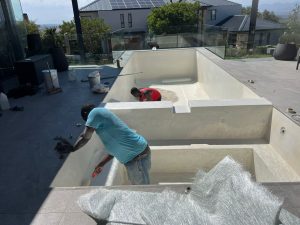
Each option has its strengths, and the best choice depends on your garden, your timeline and how you want the finished pool to look and feel. If you are drawn to the durability and smoothness of a moulded surface, a fibreglass pool lining is worth exploring, as it resists algae and is gentle underfoot. For those who love the classic look of a rendered concrete pool, a professionally applied finish keeps it watertight and attractive for years.
The Installation Process Step by Step
While every project differs, a typical swimming pool installation in Cape Town follows a clear sequence. Understanding these stages helps you set realistic expectations for timelines and disruption to your garden.
Excavation and Structure
Once the design is agreed and marked out, the excavation is dug to the correct depth and profile. For a concrete pool, steel reinforcing is placed and the shell is sprayed and shaped. For a fibreglass build, the ground is prepared before the shell is lowered in and levelled. Careful groundwork here is essential in areas with sandy or clay-heavy soil, both of which occur across the Western Cape.
Plumbing, Filtration and Finishes
Next comes the plumbing and the installation of the pump, filter and any features such as lights, steps or a heat pump. The interior finish is then applied or the fibreglass surface is sealed, followed by the coping and surrounding paving. Finally the pool is filled, the water is balanced, and you are shown how to look after it.
Building for Cape Town Conditions
Coastal air, warm summers and cooler, wetter winters all place demands on a pool. Salt-laden air near the coast can affect fittings, while intense summer sun accelerates evaporation and chemical use. A pool built and finished with these conditions in mind will stay in better shape for longer. Good filtration, quality surfaces and correct water balancing all help your pool cope with the local climate.
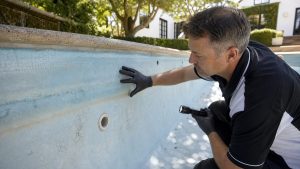
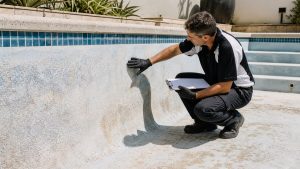
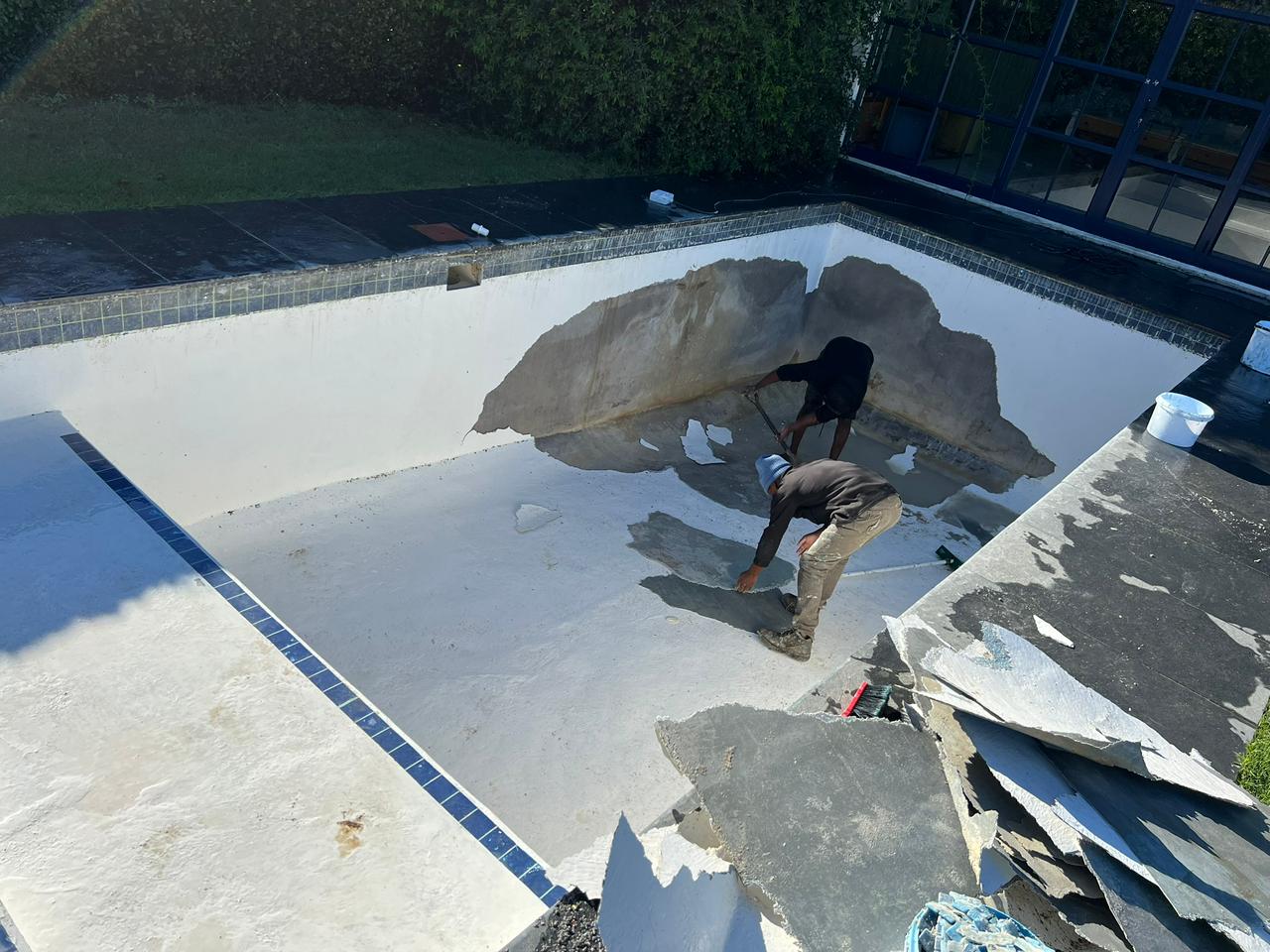
Older pools can also be brought back to life rather than replaced. If your existing pool is looking tired, a professional marbelite pool resurfacing service in Cape Town can restore the surface, improve watertightness and refresh the appearance without the cost of a full rebuild.
Maintaining Your Investment
A new pool rewards a little regular care. Keeping the water chemistry balanced, brushing the walls, emptying the skimmer baskets and servicing the pump on schedule will extend the life of every component. It is a good idea to keep a simple routine, especially through the hot swimming season when the pool is used most.
- Test and balance the water regularly, particularly in summer.
- Clean the filter and baskets to keep circulation strong.
- Watch for early signs of surface wear so small issues are fixed sooner.
- Book professional checks for equipment that is out of warranty.
Ready to Get Started?
A quality swimming pool installation is a partnership between you and a team that understands local conditions and building standards. With the right planning, the right pool type and a durable finish, your Cape Town pool can deliver decades of enjoyment. When you are ready to discuss your project, get in touch through the Aquatic Pools contact page for advice tailored to your garden, your goals and your budget.