The Western Cape gives us glorious summers, but our Mediterranean climate also brings cool, wet winters and a stiff south-easter that can drop pool temperatures fast. If you want to swim comfortably from early spring through to late autumn — rather than only during the peak of a Cape Town summer — some form of pool heating is worth serious consideration. The good news is that there are several proven options, each suited to different budgets, pool sizes and lifestyles. This guide walks through solar heating, heat pumps, gas heaters and solar covers so you can decide what fits your home.
Why Pool Heating Makes Sense in the Western Cape
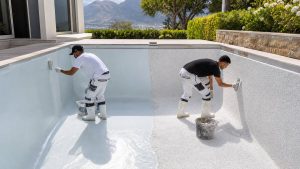
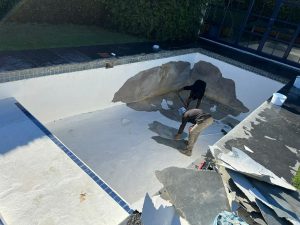
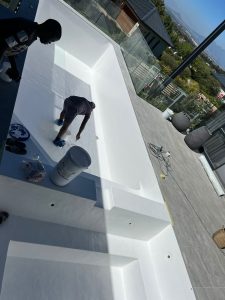
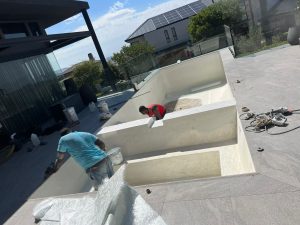
Cape Town’s climate is a bit of a paradox for pool owners. Daytime temperatures can be lovely, yet the water stays stubbornly cold because of overnight cooling, wind chill and the region’s temperate sea influence. Heating closes that gap, extending your usable swimming season by several months and making early-morning or evening swims genuinely pleasant. It also protects your investment: a well-used, well-maintained pool with a sound surface — whether fibreglass lining or a freshly resurfaced finish — holds heat better and rewards the effort you put into keeping it warm.
The Main Pool Heating Options
Before diving into detail, here is a quick comparison of the four approaches most Western Cape households consider:
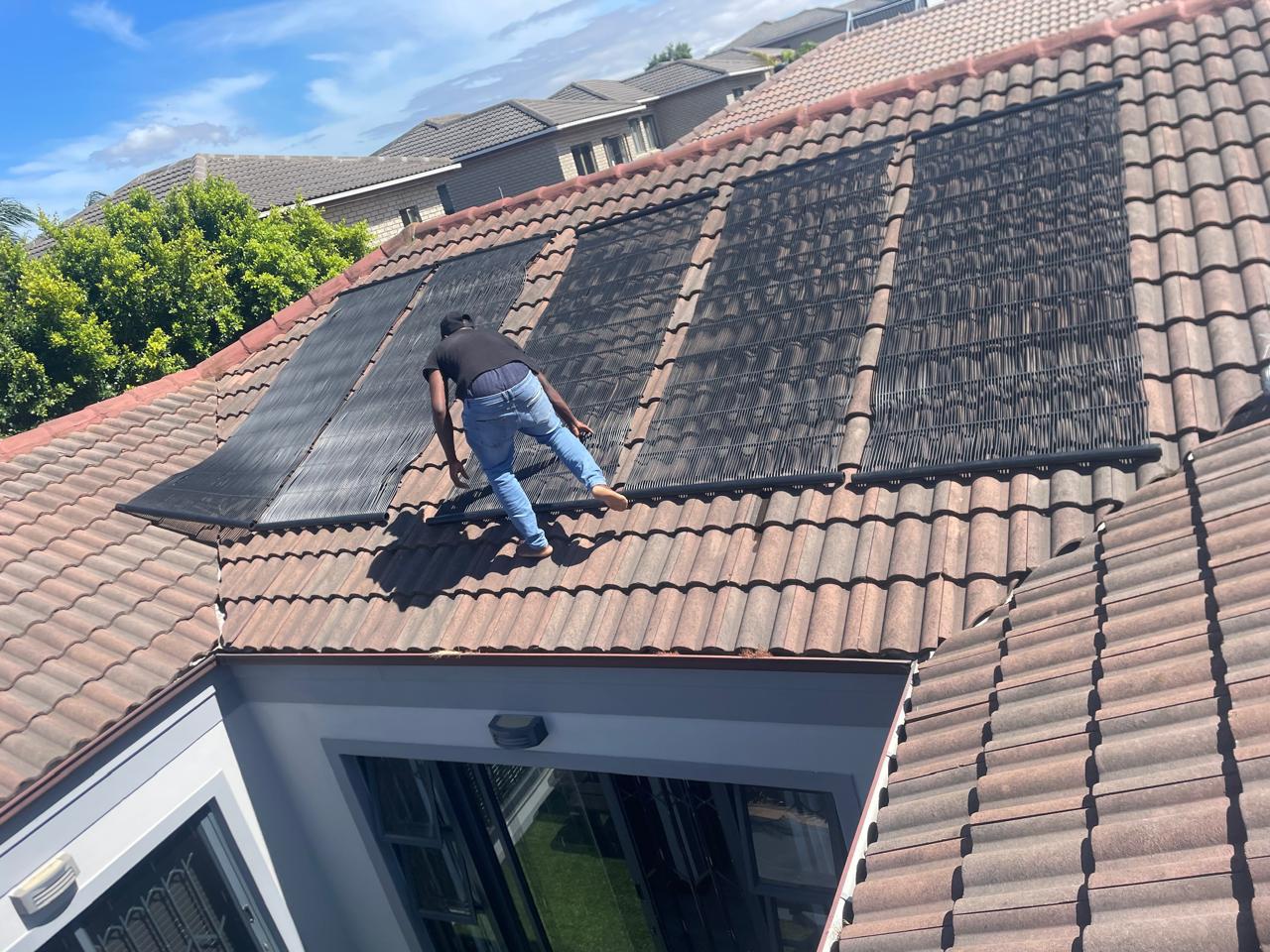
- Solar heating — uses roof-mounted panels and the pool pump to circulate water; low running cost, ideal for our high sunshine hours, but weather-dependent.
- Heat pumps — draw warmth from the ambient air; consistent, controllable temperatures with modest electricity use, working well across most of the year.
- Gas heaters — heat water quickly on demand; excellent for fast, occasional warming but with higher ongoing fuel costs.
- Solar covers & blankets — a low-cost companion to any system, cutting evaporation and overnight heat loss dramatically.
Solar Pool Heating
With Cape Town enjoying some of the sunniest conditions in the country, solar pool heating is a natural fit. Water is pumped through panels on your roof, warmed by the sun, and returned to the pool. Running costs are minimal because it piggybacks on your existing pump, making it one of the most economical options over the long term. The trade-off is that performance dips on overcast winter days and during the wet season, so many owners pair solar with a cover or a backup heat source for reliability.
Heat Pumps
Heat pumps have become a firm favourite in the Western Cape because they deliver steady, dependable warmth without relying on direct sunshine. They extract heat from the surrounding air and transfer it into your pool water, using far less electricity than a conventional element. On our mild Cape days they operate efficiently, and a good unit can hold a comfortable temperature right through the shoulder seasons. They cost more upfront than a solar setup, but the controllable, set-and-forget convenience wins many people over.
Gas Heaters
If you want your pool warm in a hurry — say, for a weekend of guests or an unexpectedly chilly spell — gas heating is hard to beat for speed. It raises water temperature quickly regardless of the weather, which suits holiday homes and pools used only occasionally. The downside is running cost: gas is generally the most expensive option to operate continuously, so it tends to work best as an on-demand booster rather than an everyday solution.
Solar Covers and Blankets
Whatever heating method you choose, a solar cover is one of the smartest additions you can make. Up to a large share of a pool’s heat loss happens through evaporation at the surface, and the Cape wind accelerates this. A cover traps warmth overnight, reduces water and chemical loss, and lets any heating system work far more effectively. For many owners it is the single most cost-effective upgrade available.
Choosing the Right System for Your Pool
The best choice comes down to how often you swim, your pool size, your budget and how much you value convenience. A sun-drenched suburban home may thrive on solar plus a cover, while a family who swims year-round might prefer the reliability of a heat pump. Whichever route you take, a pool in good structural condition heats more efficiently — so if your surface is tired or leaking, addressing that first pays dividends. Our team can advise on marbelite resurfacing and lining before you invest in heating.
Get Expert Advice for Your Cape Town Pool
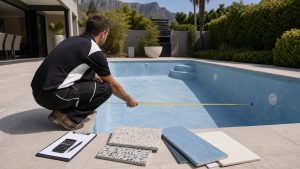
Every pool and property is different, and local factors like wind exposure, shade and roof orientation all shape the ideal setup. If you’d like guidance tailored to your home, the friendly team at Aquatic Pools is happy to help you weigh up the options and get the most from your Western Cape pool. Feel free to get in touch to discuss heating, resurfacing or a full pool assessment.