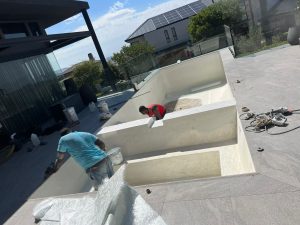
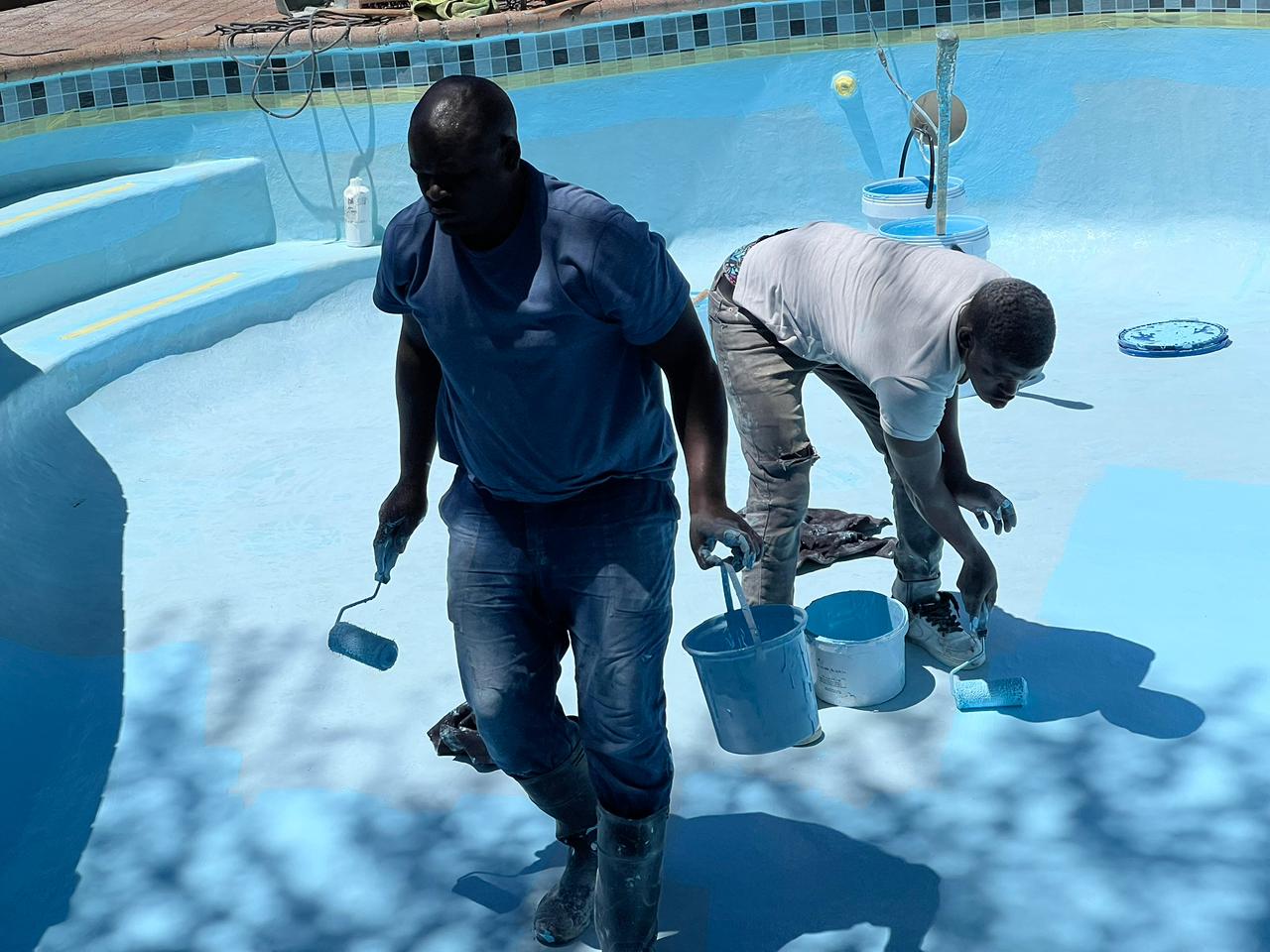
Pool coping is the capped edge that frames the top of your pool shell, bridging the waterline and the surrounding paving. It is easy to overlook when you are picturing a finished swimming pool, yet coping does real work: it protects the shell edge, sheds splash water away from the structure, and sets the visual tone of the whole poolscape. For Cape Town homeowners weighing up a new installation or a replacement, understanding what actually drives the cost helps you budget realistically and avoid surprises once the quotes start arriving.
What Pool Coping Actually Does
Beyond looks, coping is a functional barrier. A well-detailed coping edge keeps deck water, dust and leaf litter from washing straight into the pool, and it gives swimmers a comfortable, non-abrasive lip to hold or climb over. In the Western Cape, where summer south-easters carry fine grit and winter brings driving rain, that protective role matters. Poorly finished or failing coping tends to let water track behind the shell, which over time can undermine the surrounding beam and paving.
Cost Factors for New Installations
No two pools cost the same to cope, because several variables stack together. Rather than fixating on a single figure, it helps to think about the drivers that move a quote up or down.
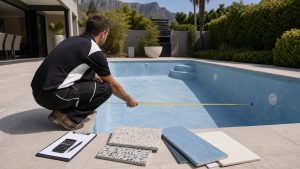
- Material choice: Options range from cast concrete and precast copers to natural stone, travertine, granite and clay pavers. Natural stone and imported travertine sit at the premium end; standard concrete copers are the most economical.
- Pool size and shape: Coping is priced largely by linear metre of edge. A large freeform or wrap-around pool has far more perimeter than a compact rectangular plunge pool, so the running metres add up quickly.
- Edge detailing: Bullnose profiles, mitred corners, rebated waterline edges and curved sections all require more cutting and skilled fitting than a simple square edge.
- Site access: Cape Town properties on slopes, behind narrow servitudes, or with limited driveway access can drive up labour because materials and rubble must be carried by hand.
- Substrate preparation: If the ring beam needs levelling or reinforcing before copers are laid, that groundwork adds to the total.
Where the Labour Goes
Labour is rarely a flat line item. Setting copers true and level, achieving consistent joints, and sealing the waterline neatly is careful work. On a new build the coping is coordinated with the paving and the pool finish, so timing and trade sequencing influence the price too. A tidy, water-tight coping edge is one of the clearest signs of a professional installation, which is why it pays to work with a team that treats it as more than an afterthought. You can talk through your specific site with the Aquatic Pools team before committing to a material.
Replacement and Renovation Costs
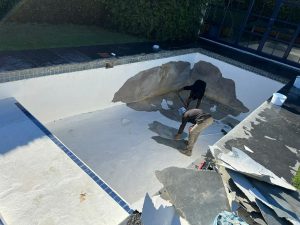
Replacing coping on an existing pool carries its own cost logic. Before new copers go on, the old ones must be lifted and the underlying beam inspected. This is where hidden costs sometimes appear: cracked beams, water damage behind failed coping, or paving that has to be cut back to make room for a new profile. Replacement is also a natural moment to reconsider the pool interior, since scaffolding, access and disruption are already in play.
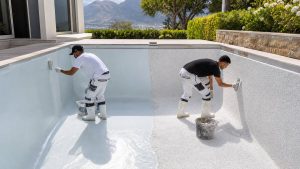
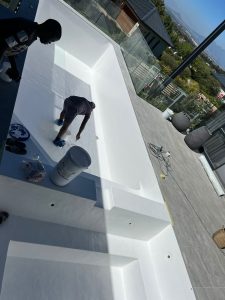
Many Cape Town owners pair a coping refresh with a resurfacing job. If your shell is tired, combining coping with marbelite resurfacing or a switch to a fibreglass lining can be more cost-effective than tackling each separately, because you share the setup, drainage and labour mobilisation across both.
Factors That Push Replacement Higher
- Removing bonded copers without damaging surrounding paving
- Repairing or rebuilding a compromised ring beam
- Matching new copers to existing deck materials and levels
- Disposing of rubble, which is affected by site access as much as new builds are
Budgeting Wisely in the Western Cape
The smartest way to control coping cost is to be clear about priorities early. Decide whether you want a hard-wearing, low-maintenance edge or a statement natural-stone finish, and communicate access constraints upfront so quotes reflect reality. Because coastal and inland Cape Town conditions differ, choose materials that cope well with sun exposure, salt-laden air near the coast, and seasonal rain. A durable choice made once usually costs less over the life of the pool than a cheaper material replaced early.
Ultimately, coping cost is best understood as a balance of material, perimeter, detailing, access and site condition rather than a fixed price tag. Getting an on-site assessment is the only way to turn those variables into an accurate number for your property. If you are planning a new pool or a renovation, get in touch to arrange a proper look at your edge, your access and your goals so the quote you receive genuinely fits your project.