If your pool water has turned cloudy or your filter just isn’t holding pressure the way it used to, chances are the sand inside needs attention. But when it comes time to refill, one question stops most pool owners in their tracks: how much sand does my filter actually need? Guessing is expensive and messy, so let’s work through a practical “sand filter calculator” approach that helps you get the right amount the first time, whether you’re topping up or doing a full media change here in the Western Cape.
Why the Right Sand Level Matters
A sand filter works by pushing pool water down through a bed of media. As the water passes through, tiny particles of dirt, algae and debris get trapped between the grains, and the clean water flows out the bottom and back to the pool. That process only works properly when the sand bed is the correct depth.
Too little sand and the water finds channels straight through, so dirt passes back into the pool and your water never quite clears. Too much sand and you choke the flow, put strain on the pump, and can even damage the internal laterals. Getting the level right protects both your water quality and your equipment, which is money well saved on a Cape Town summer.
How to Work Out How Much Sand You Need
Sand filters are sized by the diameter of the tank, and the sand requirement is usually printed on a label on the filter body or in the manufacturer’s manual. The single most reliable step is to check the manufacturer’s sand-capacity specification for your exact filter model rather than guessing from a rough size. Two filters that look similar can hold very different amounts.
To find your figure, gather this information first:
- The make and model number of your filter, usually on a sticker on the tank.
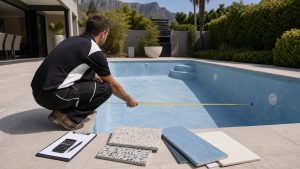
- The tank diameter, measured across the widest part of the body.
- The media type the manufacturer recommends (grade of silica sand or glass media).
- Whether you are doing a full change or a partial top-up.
As a rough guide only, a filter sized for a typical residential pool often takes somewhere in the region of a few 25 kg bags, with smaller tanks needing less and larger commercial tanks needing considerably more. Because that range is so wide, treat any general estimate as a sanity check, not a shopping list, and confirm the actual kilogram figure against your model’s spec sheet before you buy.
Fill to the Line, Not to the Top
Filters are designed to be filled to roughly two-thirds of the tank, leaving a space above the sand bed. This freeboard lets the sand expand and lift slightly during backwashing so the media can shed the dirt it has collected. Never fill a sand filter right to the top; that empty space is doing a job.
Types of Filter Media
Not all filter media is created equal, and the choice affects both how much you need and how well the filter performs:
- Silica sand: The traditional, most affordable option. Pool-grade silica sand is graded to a specific particle size and is what most manufacturers base their capacity figures on.
- Glass media: Recycled crushed glass that filters finer particles and is lighter than sand, so you often need less by weight for the same tank. It also tends to resist channelling and can last longer between changes.
If you switch from sand to glass media, the required weight changes, so check the media manufacturer’s conversion guidance rather than matching the sand figure kilogram for kilogram.
When Should You Change the Sand?
Filter media doesn’t last forever. Over years of trapping debris, the grains wear smooth and clump together, which reduces how well they catch fine particles. Most pool owners find they get several years out of a sand bed, but the pool itself will tell you when it’s time.
Watch for these signs:
- Water stays cloudy even with balanced chemistry and regular backwashing.
- You need to backwash far more often than before.
- The filter pressure climbs quickly after each clean.
- You spot sand grains returning to the pool floor.
In the Western Cape, wind-blown dust, pollen and heavy summer use can shorten media life, so keep an eye on performance rather than relying on a fixed calendar date.
Get It Right the First Time
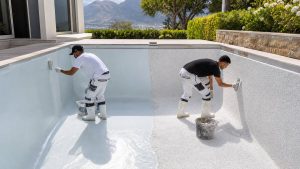
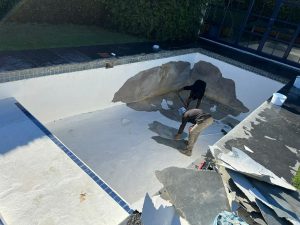
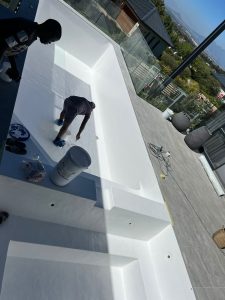
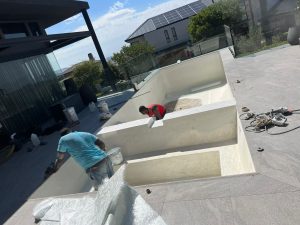
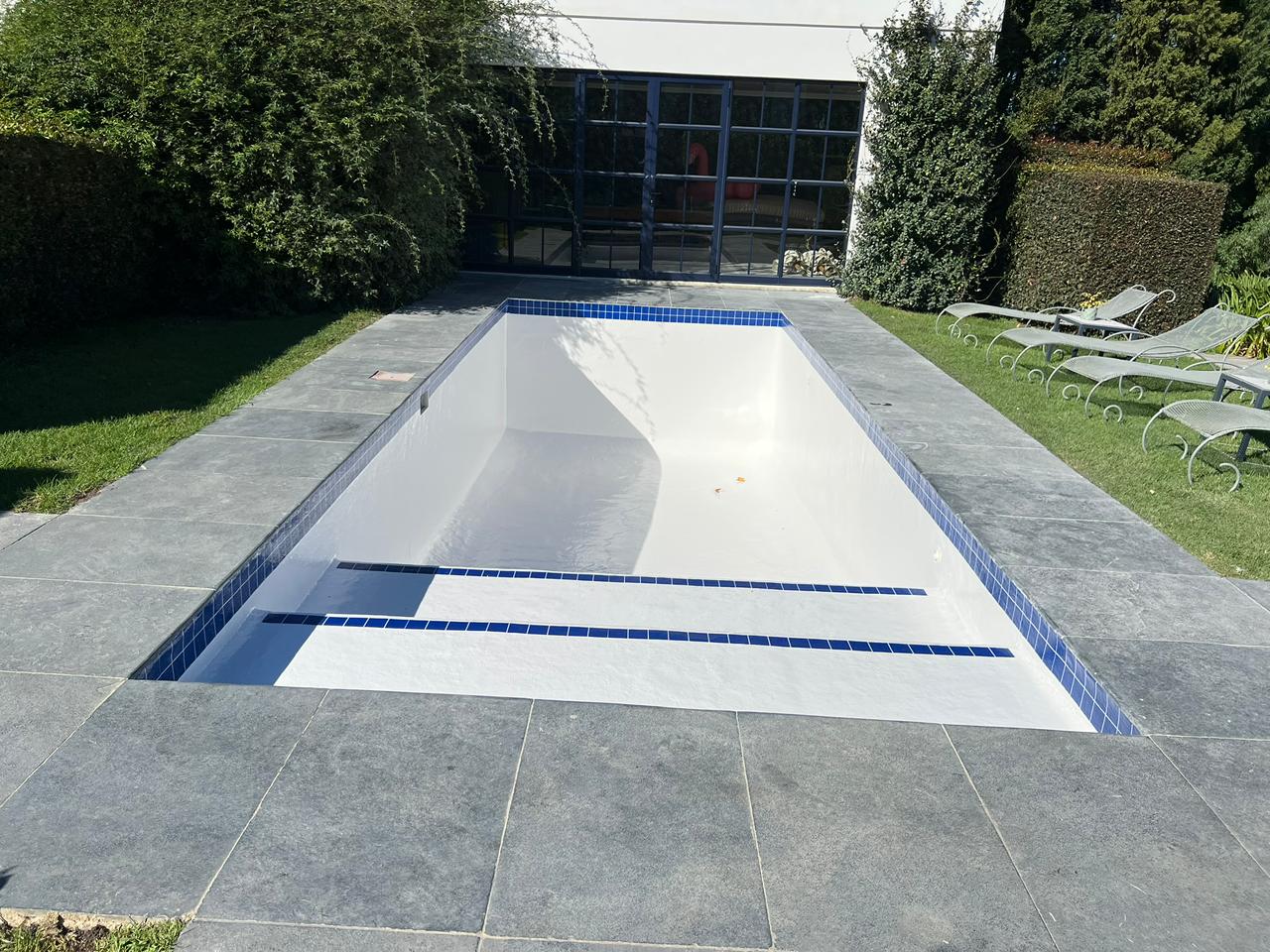
A correctly filled sand filter is one of the simplest ways to keep your pool clear with less effort. Confirm your model’s capacity, buy the right grade of media, and fill to the recommended level with proper freeboard. If your filter troubles are really a sign of a tired or leaking pool shell, it may be worth looking at longer-term fixes like a fibreglass pool lining to restore a smooth, easy-to-maintain surface. A fresh marbelite pool resurfacing does the same.
Not sure which media suits your setup, or want a hand diagnosing a filter that just won’t clear the water? The team at Aquatic Pools works with pools across Cape Town and the Western Cape every day. Get in touch and we’ll help you match the right sand or glass media to your filter and get your water sparkling again.