If you have recently switched to a salt chlorine generator, one of the first questions you are likely to ask is how long it takes to actually make chlorine. The short answer is that the process begins the moment your pump switches on and current passes through the salt cell, but building and holding a healthy chlorine level in the water is a slower, ongoing job. Understanding the difference between instant production and reaching a stable sanitiser reading helps you set realistic expectations and avoid cloudy, under-chlorinated water. Below we explain how the process works and what influences the timing for a typical Western Cape pool.
How a Salt Chlorine Generator Actually Works
A salt chlorine generator, often called a salt chlorinator, does not store chlorine. Instead, it produces it on demand through a process called electrolysis. As salted water flows through the cell, an electrical current splits the dissolved salt and water, generating chlorine that immediately dissolves back into the pool. This means the unit is technically making chlorine within seconds of the pump and cell being powered on.
The catch is that the amount produced in those first few minutes is small relative to the total volume of your pool. A single pass of water through the cell only treats the water flowing past the plates at that instant. To sanitise the whole pool, the water needs to circulate through the cell many times over several hours.
Instant Production vs Reaching a Target Level
Think of it like heating a room with a small heater. The heater is warm straight away, but the room takes time to reach a comfortable temperature. In the same way, your chlorinator is producing sanitiser from the start, yet the measurable chlorine reading in the water climbs gradually over the running cycle.
How Long Until the Pool Reaches a Safe Chlorine Level?
For most residential pools, a salt chlorine generator running under normal conditions will bring the water to a healthy free chlorine reading over roughly 8 to 12 hours of pump runtime spread across the day. If you are starting from zero, for example after a fresh fill or a green pool recovery, it can take a full day or two of extended running before the level stabilises. Several factors shift this timing:
- Cell output setting: Most units let you set production as a percentage. A higher setting makes more chlorine per hour.
- Pump runtime: The chlorinator only works while water is flowing, so shorter pump cycles mean less daily production.
- Salt level: Too little salt in the water starves the cell and slows output dramatically.
- Water temperature: Cooler winter water reduces efficiency, so production is naturally slower in the colder Cape months.
- Pool size and bather load: Bigger pools and heavy swimmer use demand more chlorine to keep up.
- Stabiliser (cyanuric acid): Correct stabiliser levels protect chlorine from the sun so it lasts longer and reads higher.
Why the Sun Matters in the Western Cape
Our strong Cape sunlight breaks down free chlorine quickly. Without enough cyanuric acid to shield it, your generator can run for hours yet still show a low reading because the chlorine is burning off almost as fast as it is made. Getting your stabiliser balanced is one of the simplest ways to see faster, more lasting results from a salt system.
Getting Faster, More Reliable Chlorine Production
If your salt chlorinator seems slow to lift the chlorine level, the problem is rarely the unit making chlorine too slowly at the cell. It is usually runtime, salt level, or water balance. Start by checking that your salt reading sits within the range recommended for your model, then confirm your pump is running long enough each day. During hot spells or after a pool party, temporarily increasing the output setting and pump hours helps the system catch up.
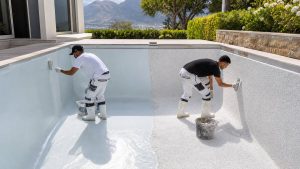
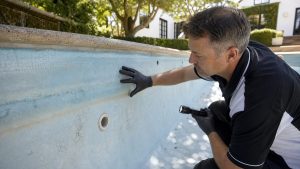
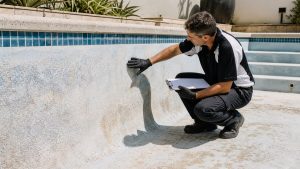
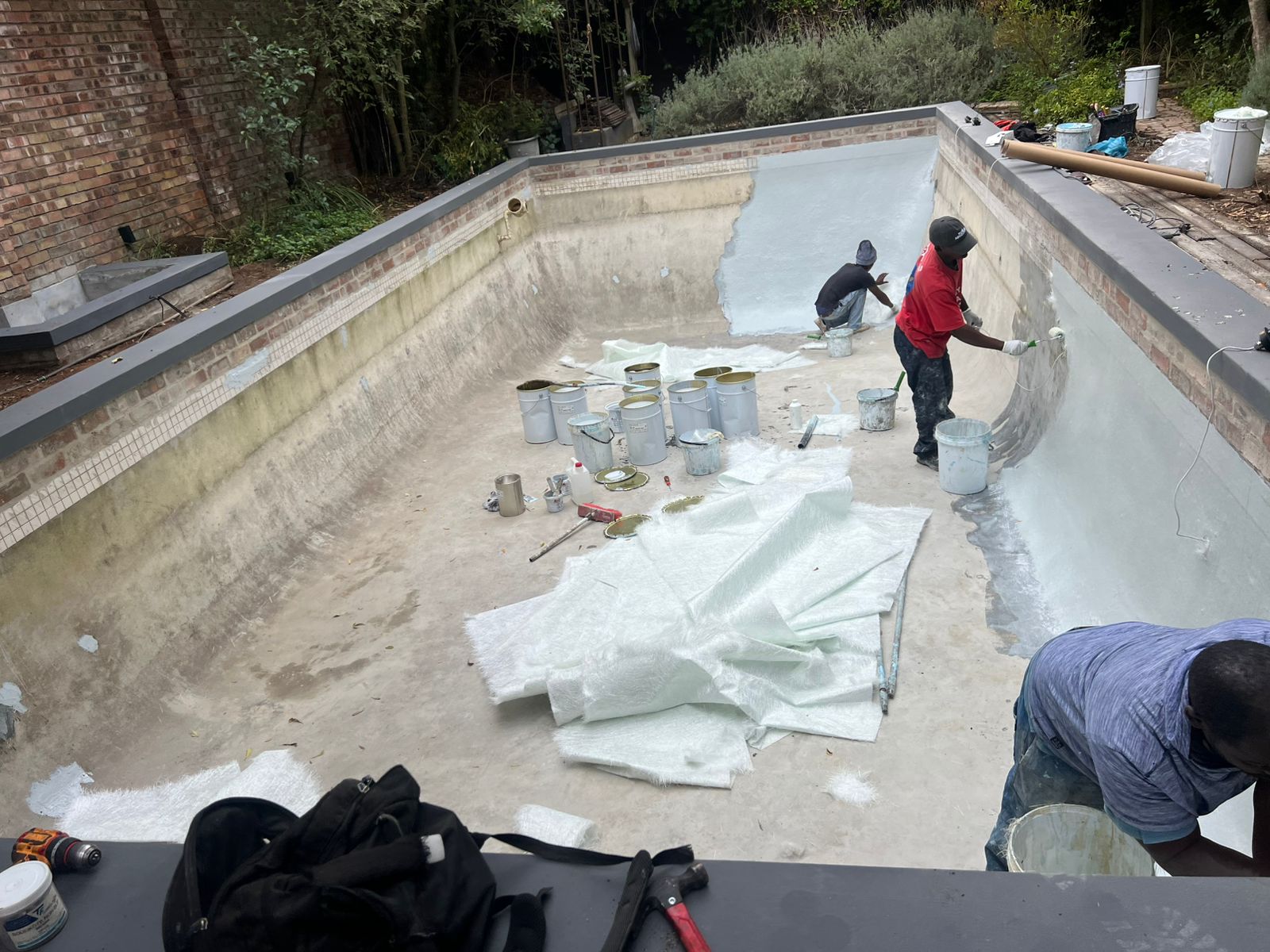
The surface of your pool also plays a quiet role. A porous or deteriorating interior can harbour algae and consume chlorine faster than a smooth, sealed finish. If you are noticing constant chlorine demand alongside a rough or stained surface, it may be worth looking at a marbelite pool resurfacing or a durable fibreglass pool lining to give the water a cleaner, easier-to-sanitise environment.
When to Call in a Professional
Persistent low chlorine, a cell that keeps scaling up, or water that never quite clears can point to an underlying issue with the pool structure or equipment rather than the chlorinator alone. Our team works with pools across Cape Town and the wider Western Cape, so if your salt system is not keeping up we can assess the whole setup rather than just the symptoms. Feel free to browse what we do on our main pool renovation page or get in touch through our contact page for tailored advice.
The Bottom Line
A salt chlorine generator starts making chlorine within seconds of switching on, but bringing your whole pool to a stable, safe level takes hours of circulation and depends heavily on runtime, salt, temperature and water balance. Set a sensible daily pump schedule, keep your salt and stabiliser in range, and adjust for hot weather, and your generator will quietly keep your pool sparkling all season without the guesswork.