Keeping a Cape Town pool crystal clear comes down to one thing above all others: sanitisation. A pool chlorinator is the device that does this heavy lifting, keeping algae, bacteria and cloudy water at bay so your pool stays safe and swimmable through our long swimming season. If you are renovating an older pool or planning a new build, understanding your chlorinator options helps you choose a system that suits your lifestyle, your budget and Cape Town’s warm, dry summers. This guide walks through the main types, their pros and cons, what installation involves, and how salt chlorination compares with traditional chemical dosing.
What a Pool Chlorinator Actually Does
Chlorine is the workhorse chemical that destroys the organic contaminants swimmers and the environment introduce to your water. A chlorinator’s job is simply to deliver a steady, controlled dose of chlorine so levels stay within a safe, effective range rather than spiking and crashing. The difference between systems is how that chlorine is produced and delivered, and how much day-to-day effort it demands from you.
The Main Types of Pool Chlorinators
Cape Town pool owners generally choose between a few well-established approaches:
- Saltwater chlorinators (salt cells): These convert dissolved salt in the water into chlorine through electrolysis, producing sanitiser continuously and automatically.
- Tablet or inline chemical chlorinators: Slow-dissolving chlorine tablets sit in a feeder that releases chlorine gradually as water passes through.
- Liquid dosing systems: A metered pump adds liquid chlorine, often paired with sensors on larger or commercial pools.
- Manual chlorination: Adding granular or liquid chlorine by hand — cheap upfront but demanding on your time and prone to inconsistency.
Saltwater Chlorination in Detail
Saltwater systems have become the most popular choice for new and renovated Cape Town pools, and for good reason. Because the cell generates chlorine on demand, the water carries only a low, gentle level of salt — far less than seawater — which many swimmers find softer on skin and eyes. You still get all the sanitising power of chlorine; it is simply produced automatically rather than poured in by hand.
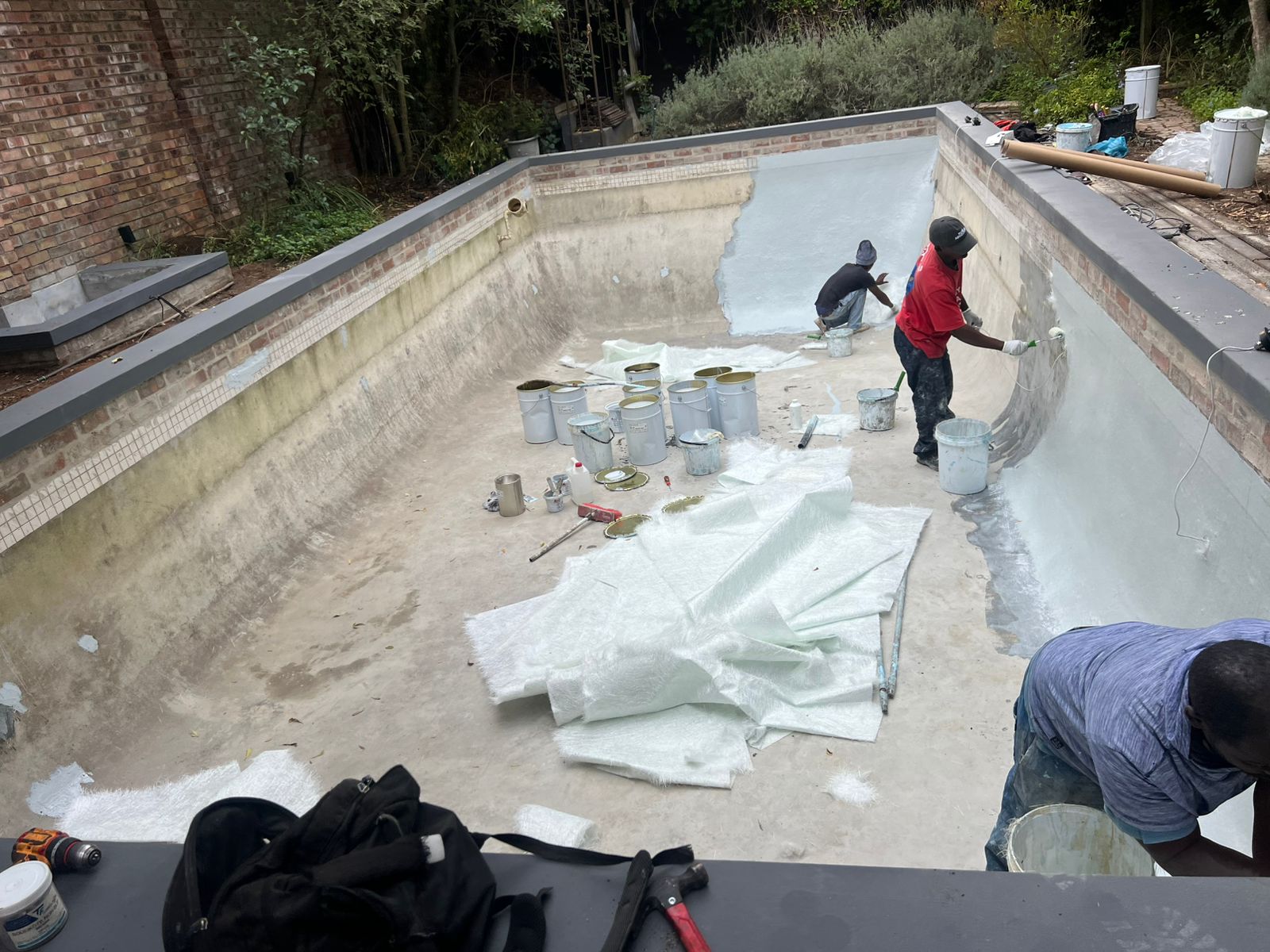
The trade-offs are worth knowing. Salt cells wear out over several years and need replacing, salt is mildly corrosive to certain metals and unsealed surfaces, and the system relies on your pump running long enough each day to keep up with demand. On a well-finished surface such as a fresh fibreglass pool lining, salt water sits comfortably and helps protect the interior over the long term.
Traditional Chlorination in Detail
Tablet, liquid and manual chlorination remain reliable and have a lower upfront cost. There is no electronic cell to replace, and topping up is straightforward. The downside is ongoing effort and cost: you buy chlorine regularly, handle and store chemicals safely, and monitor levels more closely to avoid the swings that lead to algae or over-chlorination. For owners who prefer a hands-off pool, this constant attention is the main drawback.
Salt vs Traditional: How to Choose
There is no single right answer — it depends on how you use your pool and how involved you want to be. Consider the following:
- Convenience: Salt systems win for low day-to-day effort; traditional dosing needs regular hands-on attention.
- Upfront cost: Traditional chlorinators are cheaper to install; salt systems cost more initially but reduce ongoing chemical buying.
- Comfort: Many swimmers prefer the feel of lightly salted water.
- Surface compatibility: Your pool’s interior finish and fittings should suit the system, which is worth checking before you commit.
What Installation Involves
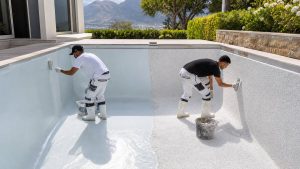
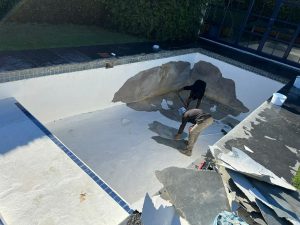
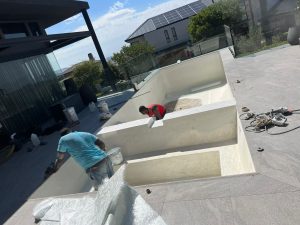
Fitting a chlorinator is usually done as part of the filtration and pump circuit. A saltwater system needs the cell plumbed into the return line, a control unit wired in by a qualified electrician, and the correct amount of salt added once the pool is balanced. Tablet and liquid feeders are simpler to plumb in but still need correct sizing for your pool’s volume. Whatever the type, the sanitiser only performs as well as the surface and circulation behind it — which is why chlorinator upgrades often pair naturally with a renovation such as marbelite pool resurfacing to give you a fresh, watertight interior and a clean start on water chemistry.
Getting It Right for Your Pool
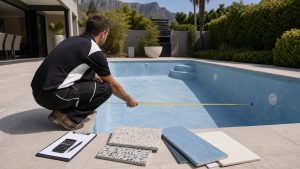
The best chlorinator is the one matched to your pool’s size, surface and how you like to swim. If you are weighing salt against traditional chlorination, or planning a resurface at the same time, it helps to have someone assess your specific setup rather than guessing. You can explore the full range of renovation and maintenance services on the Aquatic Pools site, and when you are ready for tailored advice, simply get in touch with the team for a recommendation suited to your Cape Town pool.