Saltwater pools have become one of the most requested upgrades among Cape Town pool owners, and for good reason. The promise of softer water, less chlorine handling and a gentler swim is appealing after years of hauling stabiliser and liquid chlorine around the garden. But converting a traditional chlorine pool to a salt chlorinator system is not quite as simple as tipping a bag of salt into the water. Here is an honest look at how it works, what it involves, and whether it suits pools in our climate.
How a Saltwater Pool Actually Works
The biggest misconception is that saltwater pools are chlorine-free. They are not. A salt chlorinator uses a process called electrolysis to convert dissolved salt into chlorine automatically, then that chlorine reverts back to salt after it has done its sanitising work. So you still swim in chlorinated water, it is simply generated on demand rather than added by hand. The salt level is low enough that most swimmers barely taste it, sitting well below seawater concentration.
The heart of the system is the chlorinator cell, usually plumbed into the return line after the filter and pump. It only runs while the pump circulates water, which is why a healthy filtration setup matters before you even consider converting.
The Pros of Converting
- Softer, smoother-feeling water that many swimmers find kinder on skin and eyes.
- No more storing and handling drums of liquid chlorine or granular shock every week.
- More consistent sanitiser levels, since the cell produces chlorine steadily rather than in spikes.
- Lower ongoing chemical costs once the system is up and running, with salt being relatively inexpensive.
- Less chlorine odour and fewer of the harsh by-products associated with manually dosed pools.
The Cons Worth Knowing
No system is perfect, and it is better to hear the trade-offs before you commit than after. The upfront cost of the chlorinator unit and installation is the main hurdle, and the cell itself is a wear component that needs replacing every few years depending on use and water balance. Salt is also mildly corrosive over time, which can affect certain metal fittings, natural stone coping and some older interior finishes if the pool is not properly maintained.
Cape Town’s hard summer sun also breaks chlorine down quickly, so a saltwater pool still relies on correct stabiliser and pH management. Conversion reduces your workload; it does not eliminate maintenance altogether.
What the Installation Involves
A typical conversion is straightforward for an experienced installer but has a few important steps. The pool water is first balanced and tested, then the correct quantity of pool-grade salt is added and allowed to dissolve fully. The chlorinator cell and control unit are wired in and plumbed into the existing circulation line, and the whole system is calibrated to your pool’s volume.
Checking the Pool Surface First
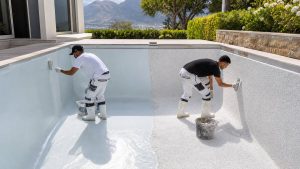
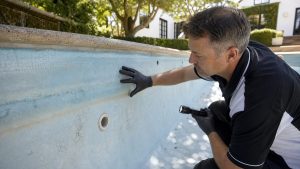
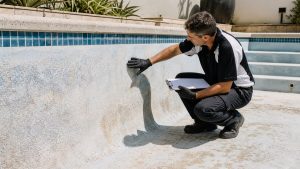
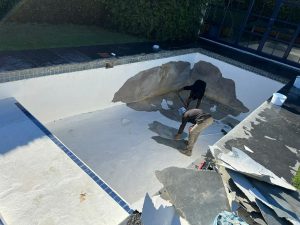
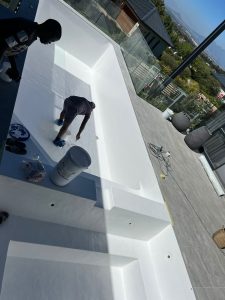
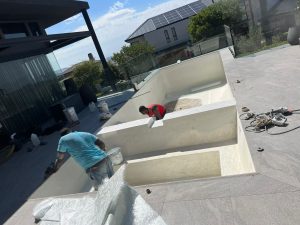
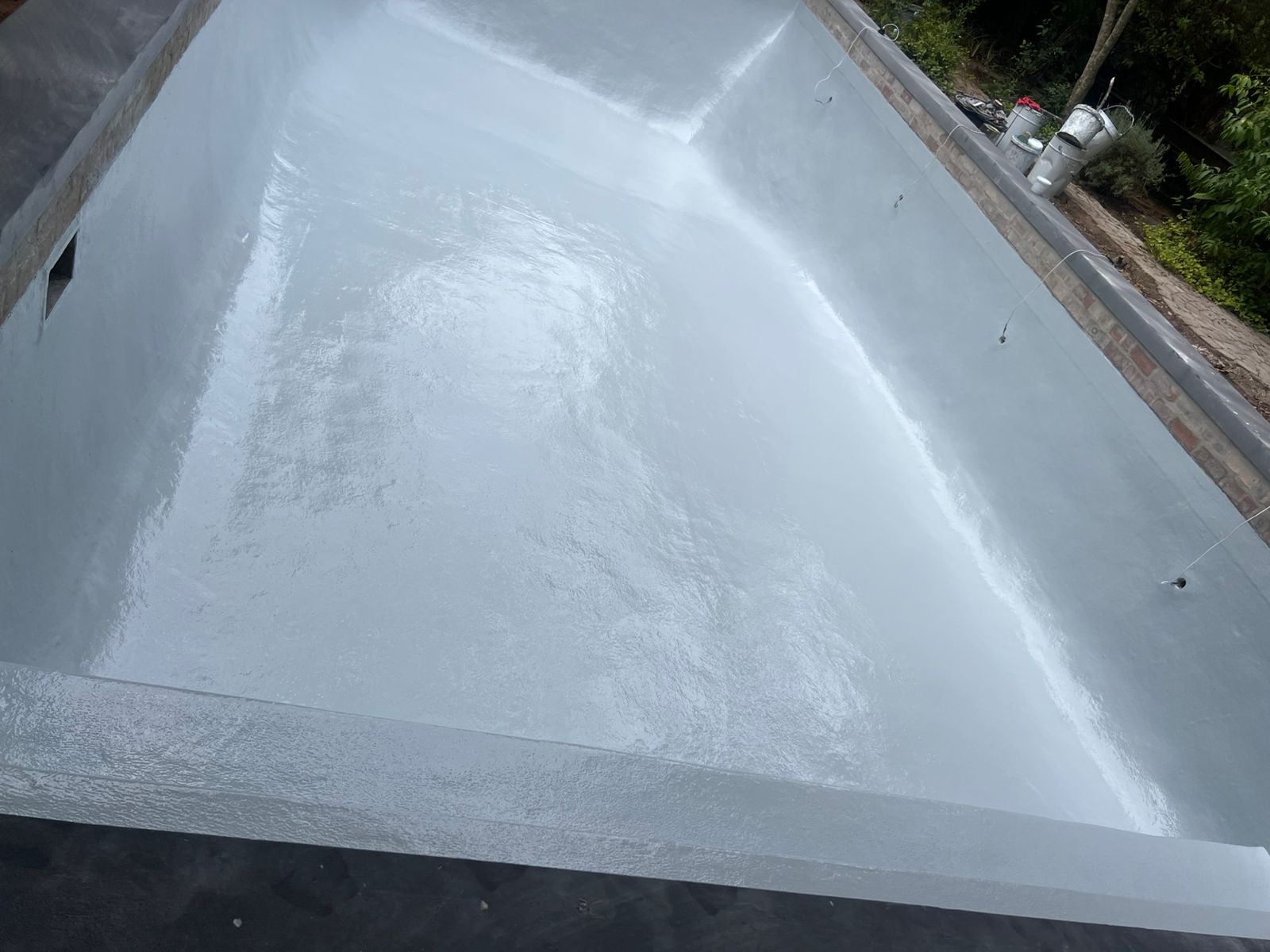
This is the step many homeowners overlook. Because salt is gently corrosive, the condition of your pool’s interior finish really matters. A tired or failing surface will only deteriorate faster once salt is in the water. If your pool is due for attention, it is often smart to combine the conversion with resurfacing. Options like marbelite pool resurfacing in Cape Town or a durable fibreglass pool lining give you a fresh, salt-friendly surface that will last for years. Doing both together saves you draining and refilling the pool twice.
What Drives the Cost
Rather than quoting a figure that would not fit every backyard, it helps to understand the factors that move the price. The main ones are:
- The size and volume of your pool, which determines the capacity of chlorinator you need.
- The quality and brand of the salt chlorinator unit, from entry-level to premium self-cleaning cells.
- The condition of your existing pump, filter and plumbing, and whether any of it needs upgrading.
- Whether resurfacing or repairs are bundled into the same job.
- Electrical work required to power and connect the control unit safely.
Is Saltwater Right for Cape Town Pools?
For most residential pools across the Peninsula, saltwater conversion is a sensible, low-fuss upgrade, especially for families who swim often and are tired of weekly chlorine dosing. The key is starting with a sound pool: good circulation, a healthy filter and an interior surface in decent shape. Get those right and a salt system rewards you with easy, comfortable swimming for years.
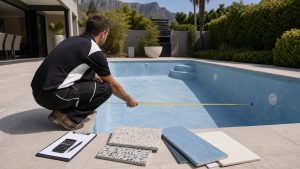
If you are weighing up a conversion, the best first step is an on-site assessment so the system can be matched properly to your pool. Take a look at the full range of services on the Aquatic Pools site, or get in touch to talk through what your pool needs before you make the switch.